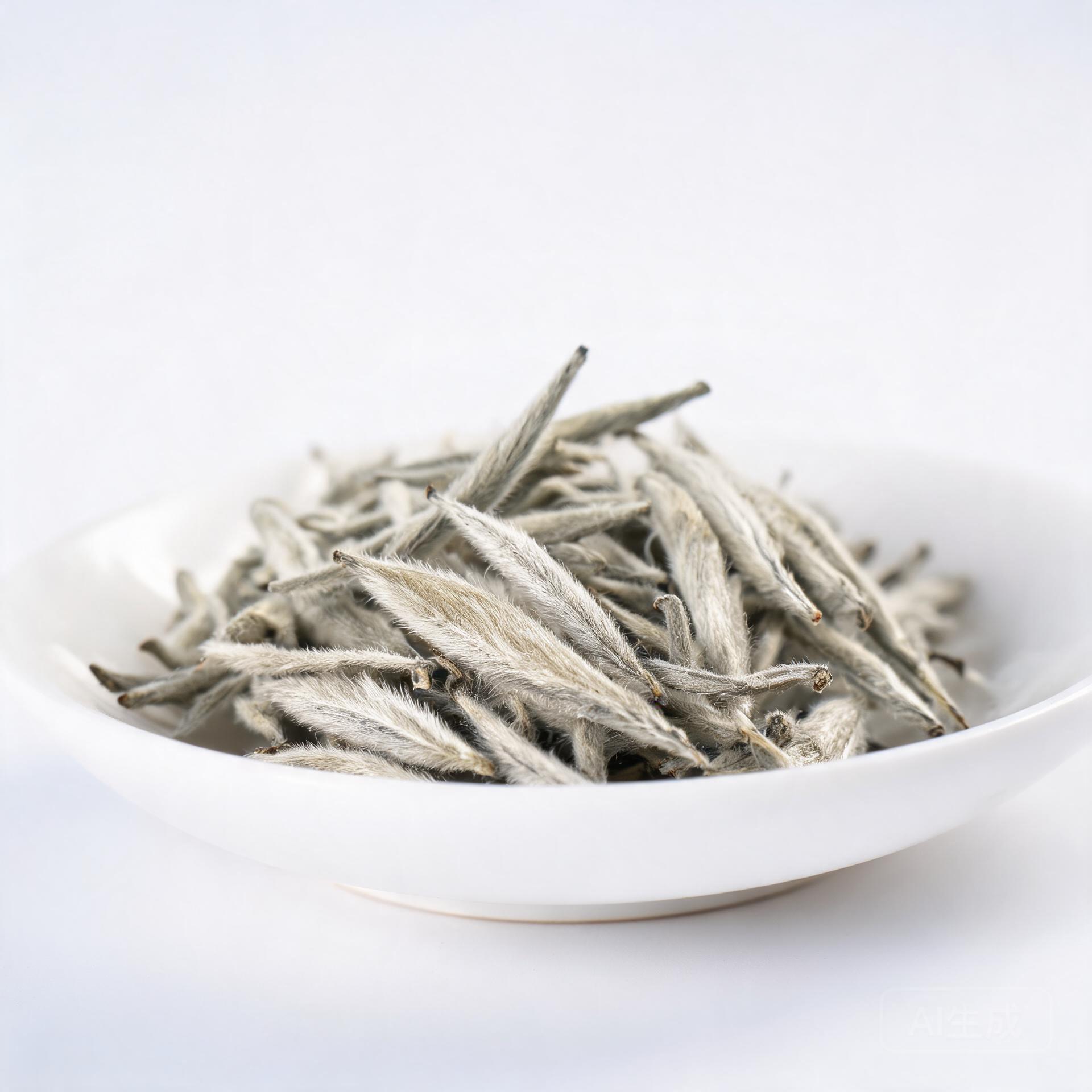
Start with the source
For white tea the source question has two parts: where the leaf grew, and what year it was picked.
Fuding in Fujian is the reference origin, and Zhenghe is the other traditional one.
Most white tea is sold as Fuding, and a good deal of it is not, which is the scale of the problem.
Ask for the county rather than the province, since a province is not an origin claim at all.
Then ask for the picking year, and separately for the pressing year if it is a cake.
Those two are often different, and the gap tells you how old the material was when it was pressed.
Ask who made it. White tea is made in small factories as well as large ones, and the name matters.
A seller who buys direct can usually name the producer, and one who buys through a broker usually cannot.
Be careful with the word Fuding used as an adjective rather than as a place.
The source will not prove the tea is what it says, but a seller who cannot answer has told you enough.
Taste as proof
Fresh white tea should taste sweet, light and clean, with a hay or flower note depending on the grade.
Silver Needle is delicate and slightly sweet, White Peony has more body, and Shou Mei is thicker and darker.
A tea that tastes grassy is a green tea, and a tea that tastes sour has been stored damp.
Aged white should be thicker and sweeter than fresh, with a date or old wood note and no sourness.
Brew it at 85 degrees. Boiling water scorches white tea and makes any sample taste worse than it is.
Brew it three times. Good white tea holds up, and a poor one is finished after the first cup.
Look at the wet leaf, which should be soft and intact, and smell it for sweetness.
For a cake, break it and check that the inside matches the outside before you brew anything.
Compare it against a white tea you have bought fresh and know, which is the only real reference.
The cup is the evidence and the label is a claim about the cup. Check which one is lying.
Packaging and provenance
White tea packaging tells you less than people hope, because a cake wrapper is trivially easy to print.
What matters on it is the pressing year, the producer and the weight, and all three are often missing.
A cake without a pressing date is a cake with no history, whatever else the wrapper says.
Pressed white as a format dates to around 2010, so a wrapper claiming a 1990s cake is printing a fiction.
Geographical indication marks appear on genuine Fuding tea and on a great deal that is not.
Look for a producer code or a standard code, which tea packed legally should carry.
Gift boxes and presentation tins hide the cake, which is the whole point of them.
Keep the wrapper even if you distrust it, because in five years it is the only record you have.
A seller’s own labelling is worth more than the factory’s, if the seller has a reputation to lose.
Treat all of it as a claim to be checked against the cake rather than as evidence in itself.
A practical test
Buy the same grade from two sellers, at the same stated year, and drink them together.
Brew them at 85 degrees with the same dose, and taste them blind if you can arrange it.
Differences in sweetness and thickness show up immediately when the two cups are side by side.
Then break both cakes, if they are cakes, and compare the interiors.
A pale interior on one and an even colour on the other tells you which one was forced.
Ask the seller you trust more which they think is which, and see whether they agree with you.
Keep the notes with the price, because after a year the pattern is worth more than any single test.
Buy 25 to 50 grams for this, since that is enough for three sessions and cheap to get wrong.
Repeat it once or twice a year with a different pair, and your judgement improves quickly.
There is no certificate that substitutes for this, and no shortcut around it.