What the GI means
White tea has 2 protected names that matter, and both belong to counties in northeast Fujian.
Fuding white tea is the stronger of them, and Zhenghe white tea is the other.
The Fuding designation covers the county, and within it a defined list of townships rather than all of them.
That is more precision than most regional claims in tea manage, and it is worth using.
Zhenghe held its own registration separately, and the two are not interchangeable on a label.
As elsewhere in China, a name here can be protected 3 different ways at once.
Product protection is the main route, run by the national intellectual property office since 2018.
A certification mark is the second, and it is the one you will actually see printed on a packet.
The third route is the agricultural register, which exists but is rarely the one being enforced.
Yunnan, which makes more white tea than people think, sits outside both Fujian designations.
So the protected names cover a small area and a large share of the reputation.
What it guarantees
What a designation guarantees here is short and specific, and it is worth stating plainly.
The leaf has to come from the county and the townships named in the registration.
Processing has to follow the white tea method, which is withering and drying only.
No rolling, no oxidation step, and nothing added at any point in the sequence.
Practically, that means a Fuding tea should be made from the local cultivar rather than a substitute.
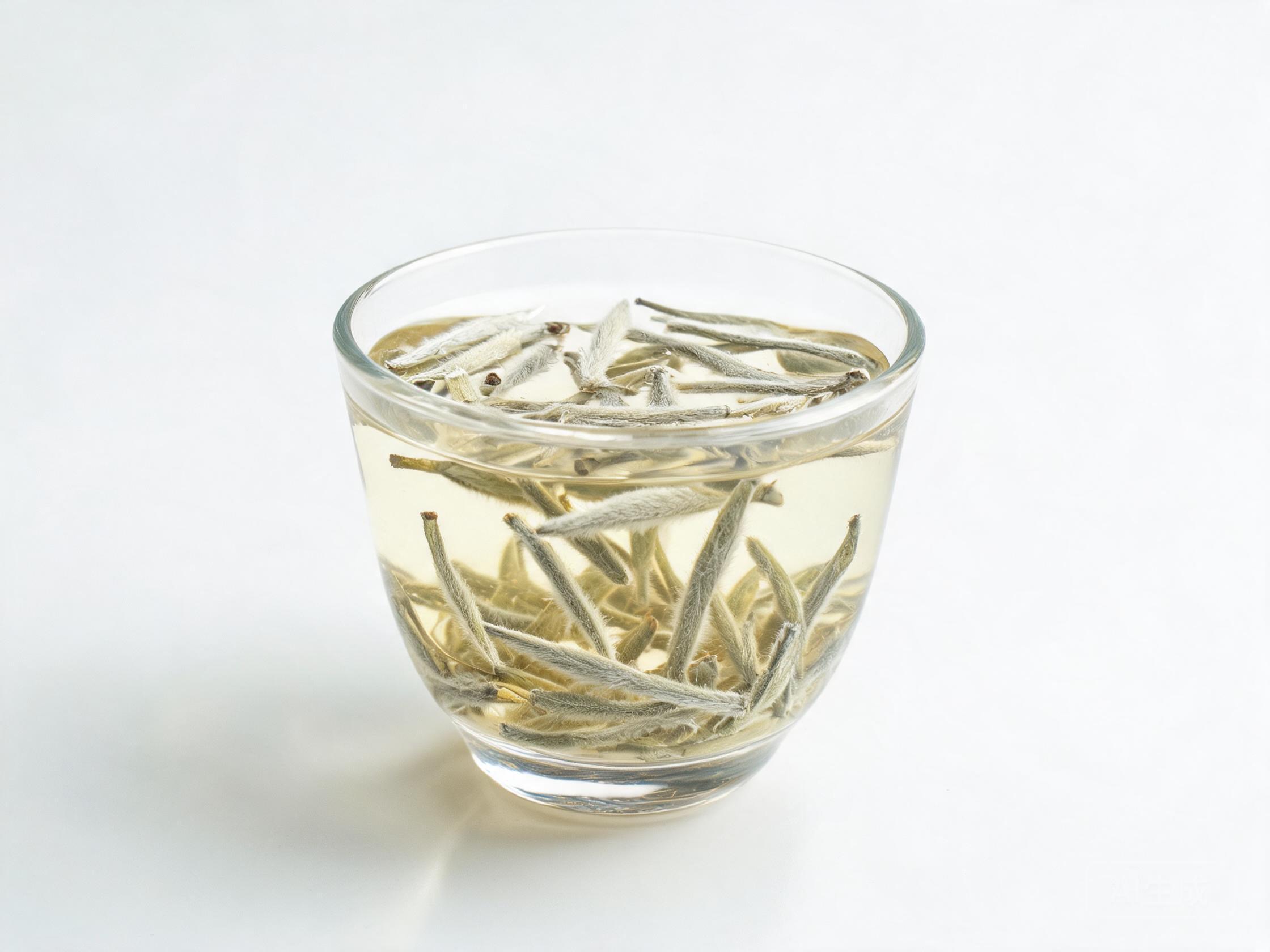
Fuding Da Bai(福鼎大白)is the bush the county selected, and it gives the down that Silver Needle needs.
The gardens run from near sea level up to about 900 m, and the upper ones pick later.
The designation also implies the grade names mean what the standard says they mean.
A Silver Needle should be buds, and a Shou Mei should be open leaf, and neither should be mixed.
Those are real constraints, and a maker who ignores them is breaking a written rule.
The 2021 agreement with the European Union lists 100 Chinese products in its first batch, which is why the marks look familiar on export cartons.
What it does not
What it does not guarantee is the part buyers usually assume, starting with quality.
The designation covers every grade made inside the boundary, from the finest bud to the roughest Shou Mei.
A packet with the mark can hold the cheapest grade the county produces.
County is not settled by it, since Fuding and Zhenghe are separate registrations with separate boundaries.
Harvest year is outside the claim, and it matters more here than in almost any other category.
White tea is one of the few teas sold aged, and the designation says nothing about how it was stored.
A protected name on a 5 year old cake tells you where the leaf grew and nothing about the room it sat in.
Finishing somewhere else and packing inside the county is not excluded by the mark.
Fair pricing is not part of it either, since the mark adds more to the price than to the leaf.
Enforcement is complaint driven, and a small maker outside the system has little reason to fear it.
The mark is a statement about geography, and geography is one input among several.
How to use it
Start by looking for the mark and a licence number, and treat a bare logo as no evidence at all.
Ask for the township, because a real answer to that question separates the two kinds of seller.
Brew 5 grams of a protected Fuding against 5 grams of an unmarked one and see which you prefer.
If you cannot taste a difference, the mark is not worth the premium you are being asked to pay.
For Silver Needle the designation is worth checking, since the grade is easy to fake with a Yunnan bud.
Check the down and the bud size, and the question of origin answers itself before you finish the cup.
For Shou Mei and lower grades the mark matters much less, because the leaf is cheap either way.
For aged white tea, ignore the designation and ask about storage instead, since storage decides the outcome.
A protected name on badly kept leaf is worth less than an unmarked cake kept properly.
Buy from a seller who can name the township and the year, and who answers both without hesitation.
That is a stronger signal than any mark, and it costs nothing to ask for.