The method
White tea is the easiest category to over-brew and the hardest to describe, because the differences are quiet.
A fixed method is what makes those small differences visible at all, so set one before you begin.
Weigh the leaf. Three grams in 150ml is a fair starting point for loose leaf and compressed white tea alike.
Brew young white tea cooler than old: about 85°C for a young Bai Mu Dan, close to boiling for aged Shou Mei.
Keep the water the same across samples, because changing the temperature here is the same as changing the tea.
Smell the dry leaf, the wet leaf and the empty cup in that order, and note each of them separately.
Do not trust a single session, so brew the same sample on three days before you write a conclusion.
Keep a reference tea on the bench, ideally one you have drunk for years and know extremely well.
Write notes in plain words rather than scores, since scores collapse several different things into one number.
Aroma, sweetness, thickness and finish are four separate lines, so give each of them its own sentence.
Setting up
Use soft water with a low mineral content, because hard water dulls the top notes white tea depends on.
Bring it to the boil and then let it drop, rather than guessing a temperature from the kettle light.
A porcelain gaiwan shows white tea honestly, and glass is fine too, since it lets you watch the leaf open.
Warm the vessel first, because white tea loses a surprising amount of aroma to cold porcelain.
Steep for 2 minutes at first, then extend by a minute as the flavour begins to thin.
For aged white tea, boiling 3 grams in 500ml for 5 minutes is a legitimate test rather than a shortcut.
Take samples from several points in the cake, since the outer edges age faster than the core does.
Break compressed samples gently, because crushing them clouds the liquor and adds bitterness that is not there.
Keep the room free of strong smells, and do not review white tea next to a roasting oolong.
Stop after four samples, since white tea differences are subtle and fatigue removes them first.
What to score
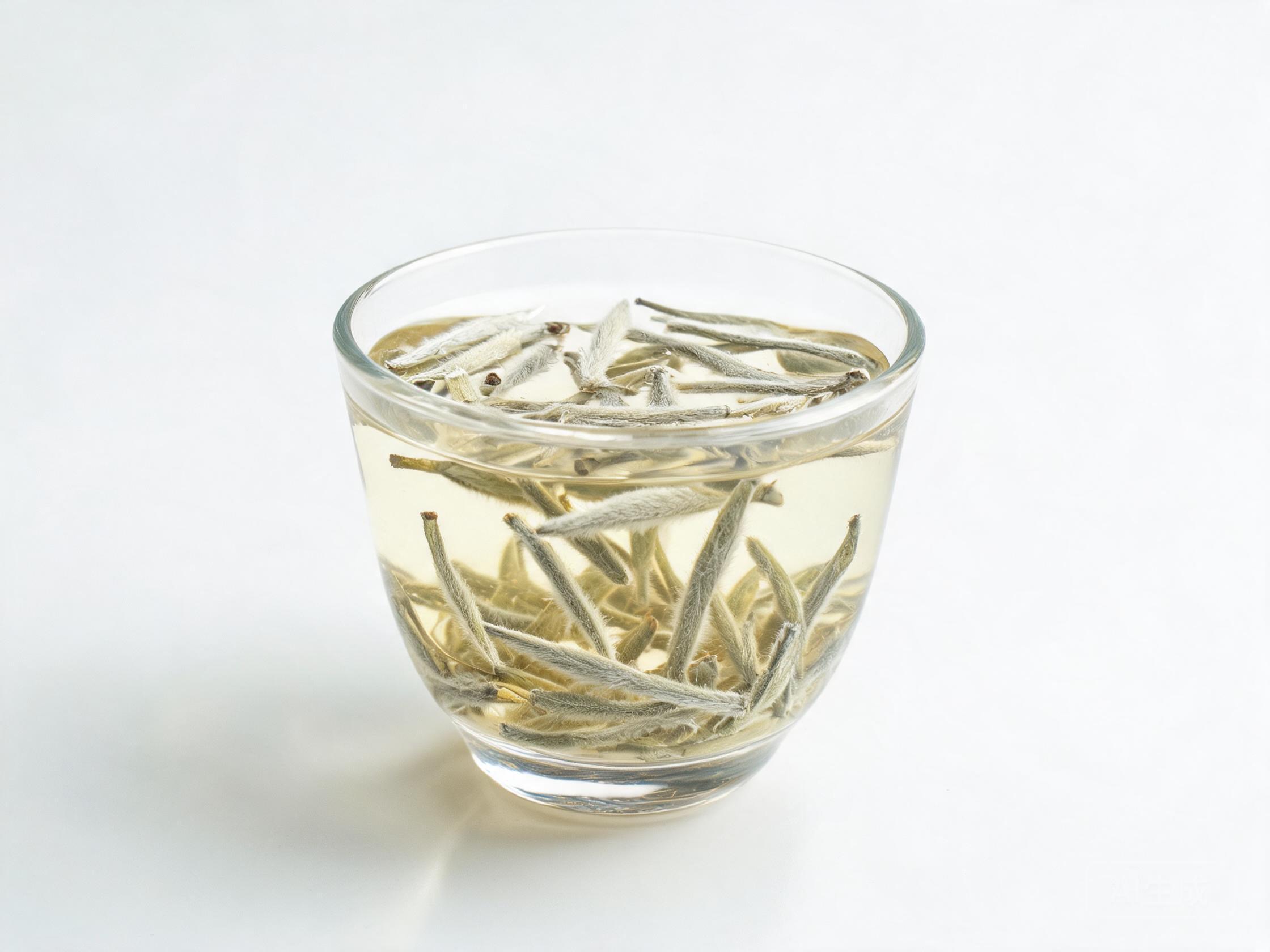
Look at the dry leaf first: how much down is on it, whether the buds are intact, how much stem is present.
Silver Needle is all bud, Bai Mu Dan is bud and leaf, and Shou Mei is mostly leaf, so score accordingly.
Young white tea should smell of hay, flowers and a faint sweetness, while anything grassy means rushed withering.
Aged white tea moves towards dates, dried herbs and a thick sweetness that young material simply does not have.
Watch for storage taint. A musty, cellar-like smell is damage rather than age, and the two are often confused.
The liquor should be pale and bright, since a dull orangey colour in a young tea points at poor storage.
Taste for thickness rather than strength, because good white tea is light in body but never thin.
The finish is where sweetness shows up, and in aged material it lingers for minutes rather than seconds.
Check the spent leaf, which should be soft and whole with a colour that matches the age the tea claims.
Name faults precisely: sour, damp, papery or flat, since each one points at a different stage of production.
Avoiding bias
Age claims are the strongest bias in white tea, because a label saying ten years will make you taste ten years.
Cover the wrapper, remove the price, and taste the tea before anyone in the room says how old it is.
Brew young samples before aged ones, since the thicker and sweeter aged liquor overwhelms anything delicate.
Use the same water temperature for every sample in a flight, even when it flatters one and not another.
Rinse between samples and wait a minute, because the finish of white tea carries into the next cup.
Review in the morning, since the subtleties of white tea are the first thing to go when a palate tires.
Do not judge on the first infusion, because white tea often needs two before the leaf has given anything.
Two people will disagree about white tea more than about any other category, which is itself useful information.
Rescore a sample the next day, since anything that shifts a lot between sessions is a tea worth arguing about.
Be careful with the word smooth, which usually means nothing was happening rather than that quality was present.