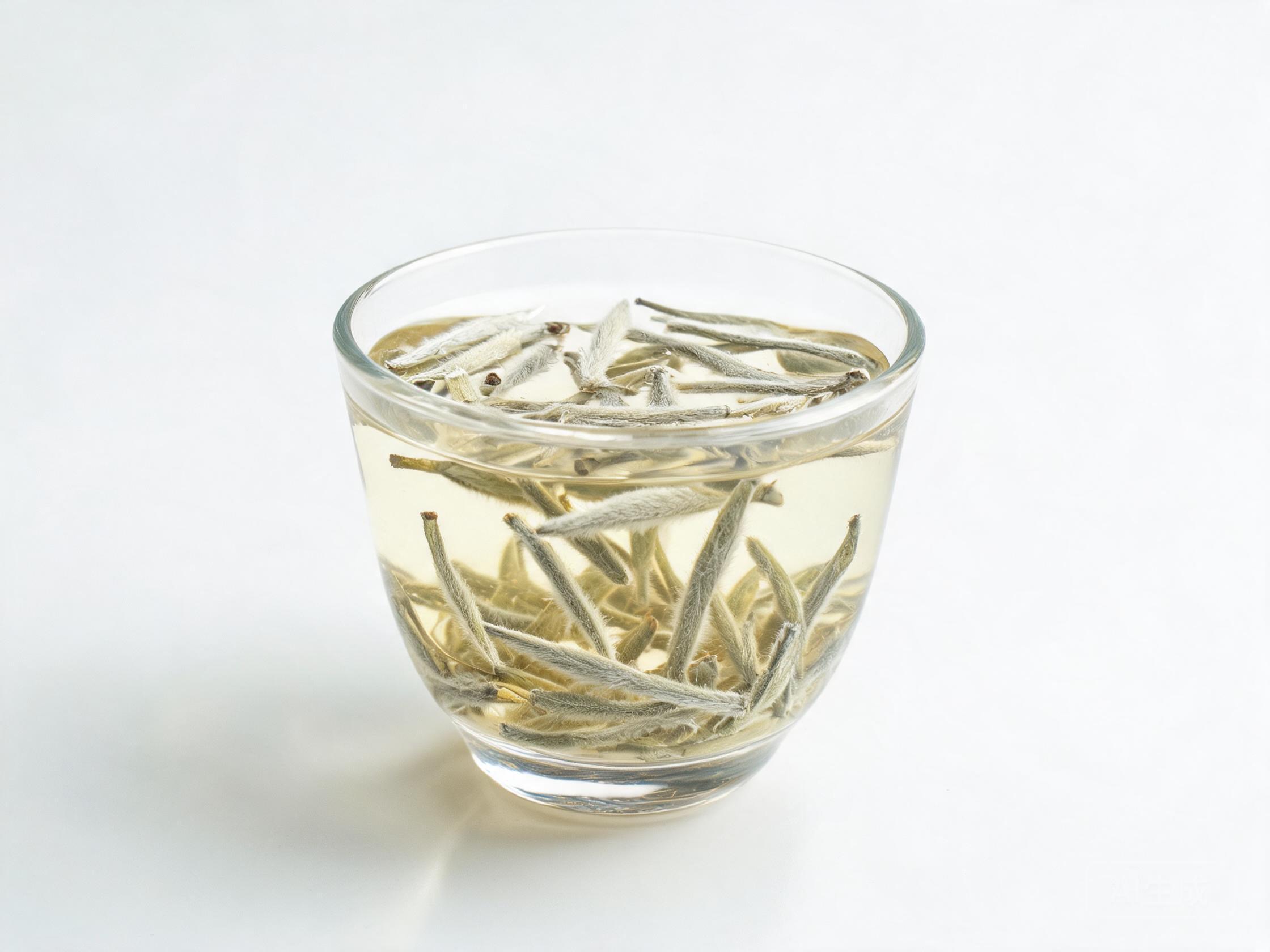
Best moments
White tea suits slow occasions, and it is a poor tea for a busy one.
A long afternoon with one other person is the setting it was made for.
It rewards sitting still, since the aroma is faint and needs attention to be noticed.
Hot summer afternoons are the obvious version, served warm rather than hot.
After a meal is the traditional Chinese moment, where it clears the palate.
Dim sum service is the classic example, and the tea is there to reset between plates.
That is a functional use, and it is a legitimate one.
A quiet morning works too, particularly with an aged white.
An aged Shou Mei(寿眉)simmered on a cold morning is closer to a winter ritual than a drink.
Festival occasions belong to mooncake and white tea, and that pairing is fixed by custom.
Guests who say they do not like strong tea are the people to serve it to.
A 30 minute session with one pot is the natural unit.
It is also the tea to pick when the occasion has no agenda, since it fills time rather than punctuating it.
Warm air carries the aroma further than a cold room does, which is why summer works so well.
Less ideal moments
White tea’s off-times are the ones where nobody is paying attention.
A noisy table is the first, since the tea has nothing loud enough to survive it.
A working session is the second, because it gives no lift and demands no attention either.
It is the wrong thing to serve at the end of a heavy meal, where it simply disappears.
Large groups are a practical problem for a different reason, since it is expensive per cup.
Serving 10 people a delicate white is a generous mistake.
Spicy food occasions defeat it completely, and chilli is the worst case of all.
Anything with dessert as the main event reduces it to a rinse.
Very cold outdoor settings take the aroma away within minutes.
A formal tasting alongside strong teas will bury it, because it should always go first.
Order matters in a tasting, and a white poured after a roasted oolong is wasted.
Put it first or do not bother.
Any occasion where people are standing up fails it, because the tea needs someone to sit down.
Rushed hospitality is the worst version of this, and a plainer tea would survive it better.
Setting it up
Setting up a white tea means deciding how much attention the cup will get.
A small pot and 2 small cups makes it an occasion for one or two people.
A large pot makes it a table drink, and it will be drunk without being tasted.
Both are fine, and only one of them is a tasting.
Water at 85 °C suits a young white, and it will not scald the sweetness out of it.
An aged white wants water at 100 °C, and anything less leaves it flat.
Leaf quantity should be generous, around 5 g for a 200 ml pot.
The flavour is faint, and underdosing is the most common way to waste it.
A covered cup keeps the aroma where it can be smelled.
An open bowl loses it before the second pour.
Serve small cups and refill often, since this tea is better warm than hot.
The setting is then about pace rather than equipment.
Keep the water at a steady heat rather than reboiling the kettle between pours.
A covered pot holds the aroma between pours, which matters more than how the vessel looks.
Food around it
Food around a white tea should be quiet, and the portions should be small.
A single plain biscuit is enough for a whole pot.
Fresh fruit makes it a summer occasion, and pear and melon do that best.
Mooncake makes it a festival occasion, and a quarter of one is plenty.
Savoury food turns it into a service tea, cutting richness between plates.
That is the dim sum arrangement, and it works exactly as intended.
Rich dessert removes it from the occasion entirely.
Timing is simple: put the tea down first and the food after the first cup.
Refill at least 3 times while the food is still there, because the pot outlasts the plate.
Keep the table plain and the tea will be the thing people remember.
The specific pairings are in the food notes for this category.
What matters here is that the plate sets how seriously the cup is taken.
Keep the plate plain, since a busy table pulls attention away from a faint tea.
A second small plate usually outlasts the pot, and that is the right way round.