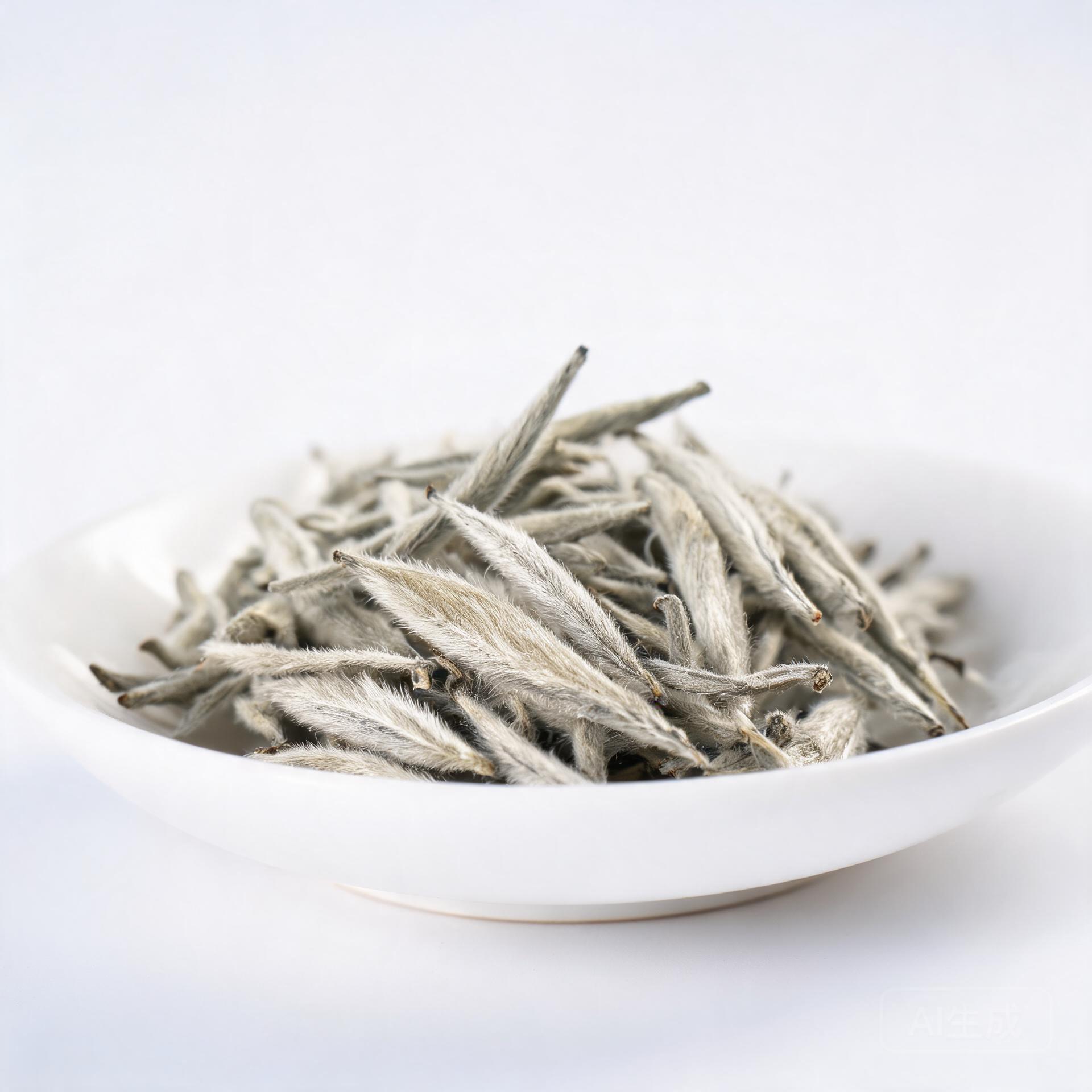
Who it is for
White tea suits people who like quiet flavours and are willing to look for them.
It rewards sitting still, which is not a habit everyone has.
Anyone who already drinks green tea and wants something softer will like it here.
People who find roasted teas heavy usually settle on a white.
It suits someone who drinks one pot over 40 minutes rather than 3 cups in 10.
Aged white suits people who like dried fruit, dates and dark honey.
Young white suits people who like melon, hay and fresh flowers.
Anyone serving a mixed table can offer it without worrying about preferences.
It is the safest thing to put in front of a guest who says they dislike strong tea.
People who enjoy tea as a background to reading or working do well with it.
Collectors like it, since the category genuinely changes over years in storage.
Someone who wants a tea with no bitterness at all usually finds it here.
The thread is patience: it is a tea for people who are not in a hurry.
It also suits anyone who gave up on tea because everything else tasted too strong.
Who might skip it
Anyone who wants a strong, punchy cup should skip it.
People who drink tea quickly will get very little from it.
Someone who expects value per gram may resent it, since the leaf is light and bulky.
It is a poor choice for people who judge a tea by how dark the liquor is.
Anyone brewing 3 g in a 400 ml mug by habit will find it watery.
People who want a dependable everyday cup should buy something with more weight in it.
It does not survive a large group, where the pot is finished without being noticed.
Anyone who dislikes faint aromas will simply not find anything here.
People who drink tea for the caffeine hit will be disappointed.
It is the wrong tea to serve after anything heavily spiced.
Shoppers on a tight budget often do better with a Shou Mei(寿眉)than a bud-only grade.
Anyone wanting a tea that tastes the same every time should choose a red instead.
Skipping it is not a judgement about taste, only about what someone wants from a cup.
People who want a tea to wake them up will find the whole exercise pointless.
Taste first, not health
Choose on the palate, since that is the part you will live with.
The health argument is the weakest one available, and it changes every few years.
Most of the research behind it uses extracted doses far above what a cup delivers.
A pot of tea is food, not a supplement.
Nothing on this page claims any tea has a medicinal effect.
What is predictable is the taste: faint, sweet, and easy to lose under food.
Caffeine is the one measurable thing, and it is lower here than in a red tea.
Brewing at 85 °C for 2 minutes keeps both the scent and the caffeine gentle.
Anyone who is sensitive can pour the first steep away and drink the rest.
The flavour is the decision, and the rest is noise.
A tea chosen for a benefit and disliked on the tongue will not be drunk.
An unopened tin of good intentions is the most common waste in this category.
Buy what tastes good to you, and let everything else stay unproven.
Anyone who wants a reason to drink it will find that taste is the only one that lasts.
How to decide
Buy two grades at once: a bud-only white and a Shou Mei(寿眉).
They taste like different teas, and the comparison teaches more than any description.
Brew them at the same dose, around 5 g in a 200 ml pot.
Use water at 85 °C for the young one and boiling for the aged one.
Steep the first infusion for 3 minutes and the second for 5.
If both taste watery, add leaf before you give up.
Most first attempts fail on dose rather than on quality.
If the tea tastes flat rather than faint, the water was probably too cool.
Try it again at boiling before deciding the leaf is bad.
Buy from a seller who will state the year and the region.
A white tea with no date on it is impossible to judge.
Then leave it alone for a month and drink it again.
Decide after three sessions, not after one cup.
If the dry leaf smells of nothing at all, the tea is old or was dried too quickly.