The centre
The centre of white tea is four counties in northeast Fujian, and inside those counties it is smaller still.
Fuding is the centre of the centre, and within it a defined list of townships rather than the whole county.
Taimu, whose peaks reach about 900 m, and the hills behind the coast carry the reputation.
Zhenghe is a second, smaller centre with its own cultivar and its own registration.
Jianyang and Songxi sit inside the four counties but outside the reputation, and supply leaf to the others.
Outside the four counties lies the rest of Fujian, then the rest of China, then the rest of the world.
Yunnan is the largest of those, and it makes more white tea than most buyers realise.
Guangxi, Sichuan, Zhejiang and Guizhou all produce white tea, mostly for domestic sale.
Sri Lanka, India and Kenya make white style tea from assamica for the blending market.
So the centre is genuinely small, and the surrounding area is genuinely enormous.
The category is unusual in that the centre still produces most of what is sold under its name.
That is changing, and it is worth knowing the direction of travel before you buy aged cakes.
Why the centre leads
History is the first reason the centre leads, and it is a long one.
Fuding and Zhenghe have been making white tea for more than 2 centuries, and the skill is inherited rather than taught.
Cultivar is the second, and the two counties hold bushes selected for this specific work.
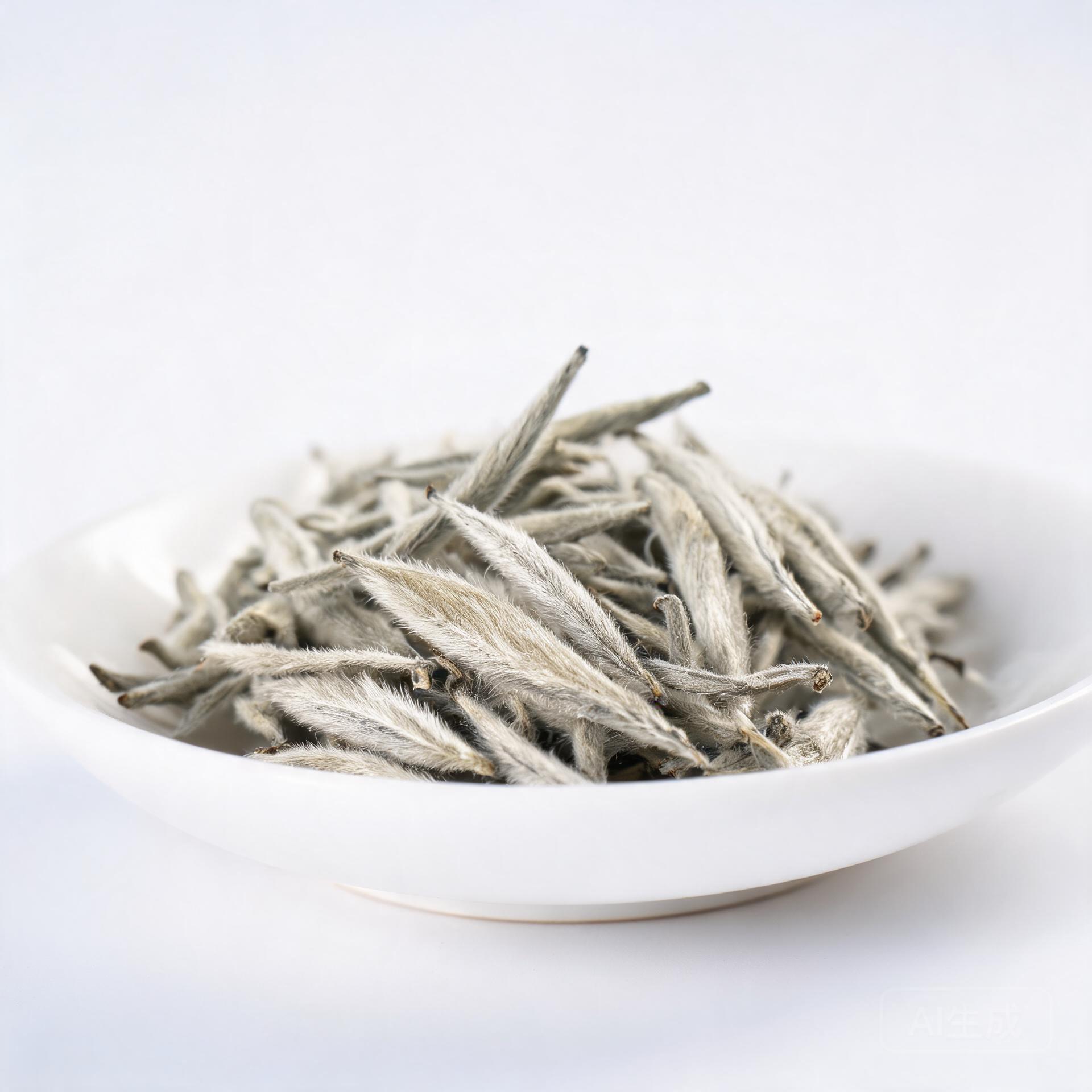
Fuding Da Bai(福鼎大白)gives the down that a Silver Needle needs, and it is not widely planted elsewhere.
Weather is the third, since the coastal humidity suits a slow wither better than a dry inland climate does.
Trade is the fourth, because Fuzhou shipped this tea for two centuries and built the market for it.
Reputation does the rest, and it is now the strongest force of all.
Buyers pay more for the county name, and that money pays for better picking and better sorting.
Land inside the protected townships is expensive, and the cost shows up in the price of the leaf.
The protected designation also gives the centre something the surrounding areas do not have: a legal boundary.
A Fuding claim can in principle be checked against a list, which is more than most origin claims offer.
That legal edge is the real advantage, and it is worth more than the soil.
What surrounding areas do well
Surrounding areas do two things well, and both are worth a buyer’s attention.
They produce cheap white tea for everyday drinking, and they produce white tea for blends.
Yunnan’s broad leaf version is the most interesting of them, and it should be judged on its own terms.
It is darker, maltier and cheaper, and it is a different drink rather than a lesser one.
Guangxi and Sichuan make competent white tea that is sold without any regional claim at all.
Much of it is picked and processed well, and the absence of a famous name keeps the price down.
Kenya, Sri Lanka and India produce white style tea at a scale the Chinese counties cannot match.
That tea is clean, consistent and cheap, and it is why white tea appears in supermarket blends.
What the surrounding areas do badly is the specific downy sweetness of a Fuding bud.
A Yunnan bud looks different, smells different and tastes different, and no processing hides that.
They also lose on trust, since a buyer has no way to check where an unmarked tea actually came from.
Buying outside the centre means accepting that, or buying from someone you know.
A buying note
Pay for the centre when the grade is high, and save your money when it is not.
A Silver Needle is worth buying from Fuding, because the grade is easy to fake with a Yunnan bud.
Check the down and the bud size, and the question of origin answers itself before the cup is finished.
A Shou Mei is not worth the premium, because the leaf is cheap either way and the difference is small.
For everything in between, buy on taste and stop worrying about the county.
Ask for the township, because a real answer to that question separates the two kinds of seller.
The harvest year matters just as much, since white tea is one of the few categories sold both fresh and aged.
Brew 5 grams in a 100 ml vessel at about 85 °C and steep the first infusion for 30 seconds.
Take the tea through to the 4th infusion, where the floral notes have dropped and the body is all that is left.
Centre tea keeps a sweetness at that point, and surrounding tea has usually gone thin and papery.
For aged white tea, forget the centre and ask about the room the cake was stored in.
A well kept cake from outside Fuding beats a badly kept one from inside it every time.