The centre
Reprocessed tea has centres, but they are centres of work rather than centres of growing.
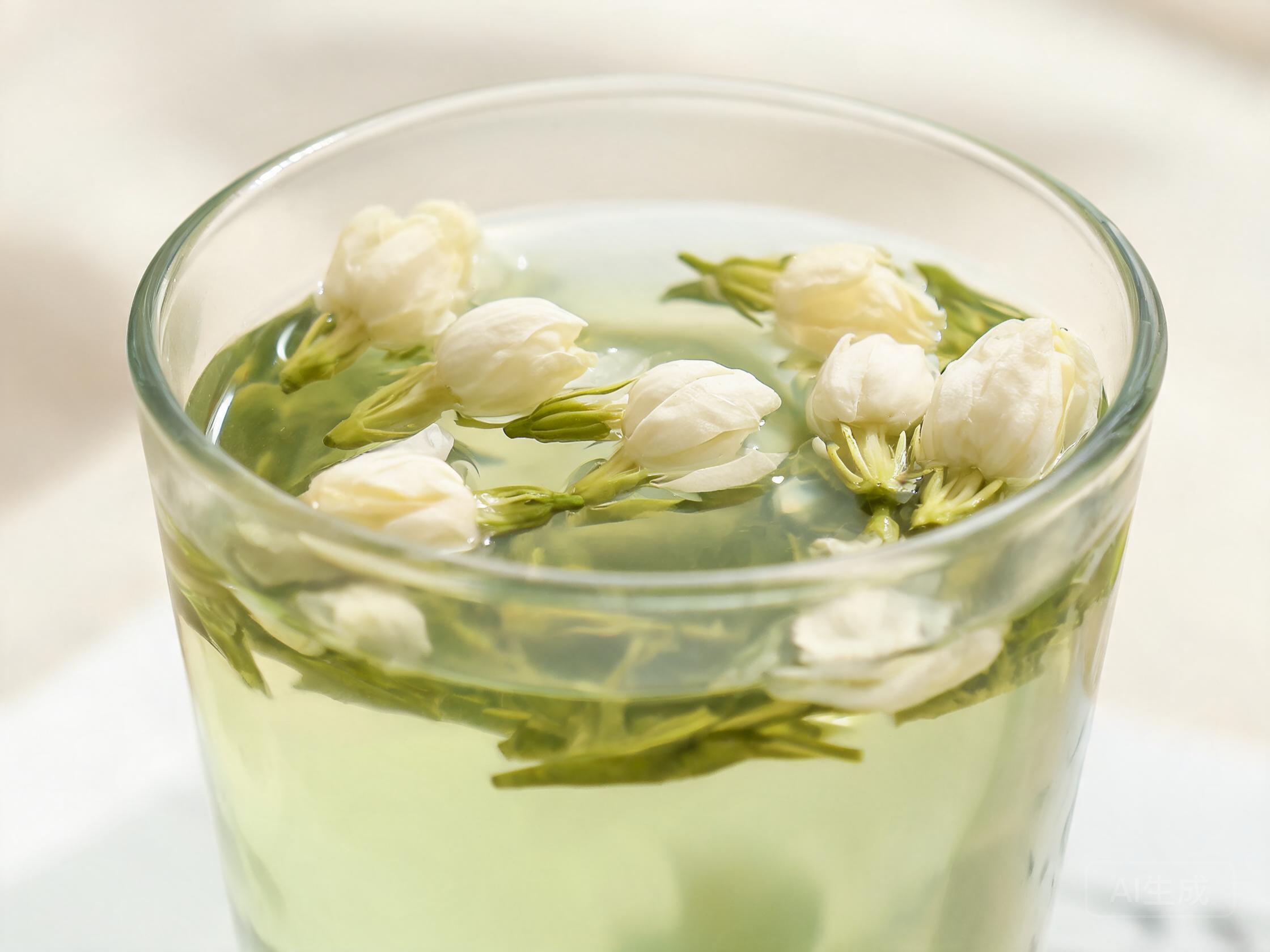
Hengxian in Guangxi is the first and the largest, and it grows the flowers as well as scenting the tea.
Fuzhou in Fujian is the older one, and what remains of its workshop practice is the traditional method.
Menghai in Yunnan is where most pressing happens, and it has become a centre in its own right.
Xinhui in Guangdong supplies the peel, which is dried for 3 years before it counts as aged, and for gan pu(柑普)it is half the product.
Around them sits everything else, which is where most of the volume comes from.
Sichuan and Guangxi both scent jasmine outside Hengxian, using flowers from the same supply.
Cakes are pressed across Guangdong and elsewhere, and Yunnan has no monopoly on the work.
Citrus peel is grown far beyond Xinhui, and the substitution is routine at every price level.
So the centre is a place where a step is done well, and the surrounding area does the same step more cheaply.
The difference is in how much flower was used and how many rounds were run.
That is a difference of intensity, and it is the only one worth paying for.
Why the centre leads
Cost structure is the main reason a centre forms, and it is unromantic.
Hengxian grows flowers and tea in the same county, which removes a transport step and a wait of 1 to 2 days.
Freshness decides the scent, and a bud that has travelled for a day gives less of it.
Labour is the second reason, since scenting is done by hand and experience shows in the result.
Workshops in the centre know when a heap has taken enough, and that judgement is not written down anywhere.
Capital is the third, because pressing requires equipment and storage space that small makers do not have.
Menghai has the presses, the warehouses and the buyers, and that is why the work moved there.
Reputation does the rest, and it is what lets a centre charge more for the same step.
The Xinhui name on peel is now worth more than the peel is, which is how these things usually end.
None of that means the surrounding areas cannot do the work, and many of them do it competently.
It means the centre can do it more cheaply per unit of quality, until reputation distorts the price.
After that point the buyer is paying for the name rather than for the work.
What surrounding areas do well
The surrounding areas do three things well, and the first is price.
Scented tea from Sichuan costs a fraction of a Hengxian equivalent, and for daily drinking it is fine.
The second is volume, since no centre can supply the amount of jasmine tea the market absorbs.
Most of what is sold as jasmine tea anywhere in the world was scented outside Hengxian.
The third is pressing, which is a mechanical step and travels easily to wherever the leaf is.
A cake pressed in Guangdong from Yunnan leaf is a normal product and not automatically a bad one.
What the surrounding areas do badly is disclose anything at all.
The base leaf is unnamed in both cases, and the centre at least has a reputation to protect.
Applied aroma is more common outside the centres, since it is the cheapest way to make tea smell strong.
Peel substitution is the clearest case, and it is harder to detect once the fruit has been filled.
A buyer outside the centre is relying on the seller rather than on the name.
That can work well if the seller is good, and it fails completely if they are not.
A buying note
Start by deciding what you are buying, because the two halves of this category need different checks.
For scented tea, the questions are the base leaf and the number of rounds, not the place.
Ask both directly, and treat a vague answer as a reason to buy somewhere else.
Brew 5 grams in a 100 ml vessel at about 95 °C and steep for 30 seconds.
Smell the lid at every infusion and note when the flower stops being detectable.
Traditional scenting is still present at the 4th infusion, and applied scenting is usually gone by the third.
For compressed tea, the maker matters more than the place, since factories are more consistent than districts.
Learn one factory’s output before you learn any mountain name, and you will spend less and enjoy more.
For gan pu, check the peel for visible oil glands rather than trusting the Xinhui name on the box.
Real Xinhui peel is bright and slightly bitter, and a substitute reads as flat and sugary.
Pay for the centre only when the seller can name the base leaf and the number of rounds.
Without those two facts, the centre name is doing nothing that a cheaper tea could not do.