The map
The white tea cores are four counties in northeast Fujian, and the whole category fits inside them.
Fuding is the largest and the best known, a coastal county backed by the Taimu mountains, which reach about 900 m.
It is the home of Silver Needle, and the Fuding Da Bai cultivar was selected there.
Zhenghe is inland and cooler, and it is the second core with its own cultivar.
Zhenghe Da Bai produces a thicker liquor, and the tea from there is less floral than Fuding’s.
Jianyang sits between the two and works with a smaller leaf population.
It is the historic home of Gong Mei, the open leaf grade that was once sold as tribute.
Songxi completes the four, producing Bai Mudan and Shou Mei for the same market.
Four counties, one province, and they account for most of the white tea made anywhere.
The distance across the whole core area is under 150 km, which is unusually compact.
That compactness is why the category has a recognisable character rather than a set of regional styles.
Tradition behind each
Each core has its own tradition, and all four come down to cultivars and weather rather than technique.
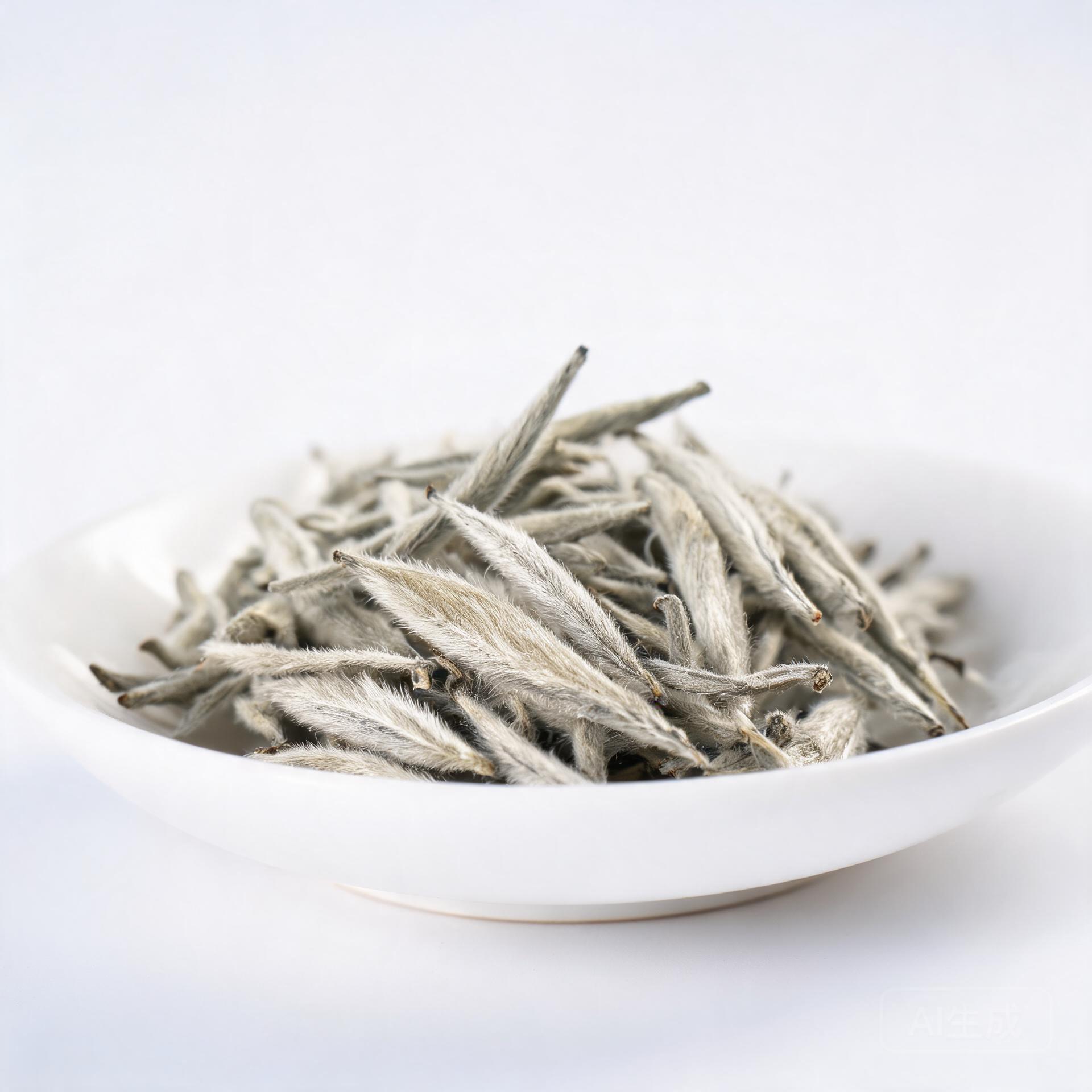
Fuding’s tradition is the bud, and the county built its reputation on Silver Needle above everything else.
That was an export product from the 19th century onward, and the grade names reflect it.
Zhenghe’s tradition is slightly different, and the county has always sold more Bai Mudan than bud tea.
Its inland climate suits a withering of 48 to 72 hours, and the style there is rounder as a result.
Jianyang’s tradition is Gong Mei, made from a small leaf population that no other county grows much of.
Songxi is the youngest of the four as a named source, and it supplies leaf to the others.
Trade carried all of them out through Fuzhou, which handled Fujian tea from the 18th century onward.
The names survive because the places kept producing, not because anyone protected them.
Protection came much later, and the GI boundaries were drawn around townships rather than counties.
That is unusual precision, and it is worth knowing where the lines actually fall.
Why they matter to you
The core names matter to a buyer because the difference between them is small but consistent.
Fuding gives a sweeter and more floral cup with a lighter body, and it is the safer purchase.
Zhenghe gives more texture and a longer finish, and drinkers who prefer it tend to stay with it.
Neither is better, and the price difference between the two is smaller than the taste difference.
That makes them worth comparing directly, and a side by side tasting of two 5 gram samples settles it in an afternoon.
Jianyang and Songxi matter less to a buyer, since most of their leaf is sold as bulk or lower grades.
What matters more is that all four sit inside the protected area and Yunnan does not.
A tea labelled Fuding white tea should come from specific townships, and a seller should be able to say which.
That is a stronger claim than most origin labels in tea, and it is worth using.
Outside it, the same cultivars are planted and the same grades are made, and the quality can be close.
The name is still doing real work here, which is more than can be said for most regional claims.
Beyond the core
Beyond the four counties the map becomes a list of places growing the same cultivars for less money.
Yunnan is the largest, and it makes yue guang bai(月光白)from broad leaf assamica in hills above 1,000 m.
That is a genuinely different tea, and it should not be compared directly against a Fuding Silver Needle.
Guangxi, Sichuan, Zhejiang and Guizhou all produce white tea, mostly for domestic sale.
Some of it is good, and a lot of it is sold without any region name at all.
Outside China, Sri Lanka, India and Kenya make white style tea from assamica, usually for export blending.
Those are competent and cheap, and they are the reason white tea appears in supermarket blends.
The risk is not that these teas exist, it is that they are sold as Fuding or Zhenghe.
A bud tea from Yunnan looks nothing like a Fuding bud once you know what to look for.
Check the down and the leaf size, and the region becomes obvious regardless of the label.
Buy the core when you want the core, and buy outside it deliberately when you do not.