Its season
Summer is the season for scented tea, and the reason is the flowers rather than the leaf.
Jasmine blooms from June into September, with the heaviest scenting in July and August.
Scenting happens at night, when the flowers open, and the work runs through the small hours.
That is why jasmine tea is a summer product made in summer.
The base leaf is usually a spring green, so the tea is a combination of two seasons.
Osmanthus flowers in autumn, around September and October.
Osmanthus scented tea is therefore an autumn tea, and it is sold as one.
Rose scented tea follows the rose, which is also a summer flower.
So the category does not have one season, it follows whichever flower is in it.
Fresh jasmine tea is best within 6 months, before the scent fades.
Stored sealed and cool, it will hold a year, though the top note goes first.
Buy it in the season of its flower, and drink it before the next one arrives.
The flowers are the ingredient that decides the calendar, not the leaf.
Why the season fits
Weight and temperature link tea to season, and scented tea sits at the light end.
That is partly the base leaf, which is usually green or white.
It is also the scent, which reads as a warm weather smell.
Floral aroma in cold weather feels out of place, the way a cold floral perfume does.
Summer is where a jasmine green earns its place, served warm or over ice.
Brewed at 80 °C and cooled, it is one of the few scented drinks that needs no sugar.
Autumn belongs to osmanthus, which is heavier and sweeter than jasmine.
Osmanthus tea suits October in the way jasmine suits July.
Winter is the weak season, because the whole category is built on aroma.
Aroma needs heat to carry, and a cold room takes it quickly.
A scented tea served at 40 °C in January has lost most of what you paid for.
That is the practical case for treating this as a warm weather category.
That is why scented tea is sold in small tins rather than in bulk.
Off-season
Scented tea in winter is drinkable, and it needs three adjustments.
Use more leaf, around 4 g for a 200 ml pot, since the scent is the first thing to go.
Use hotter water, closer to 90 °C, to carry the aroma out of the leaf.
Serve it in a covered cup, which holds the steam where your nose is.
An open bowl loses most of the scent before the second sip.
Choose an osmanthus tea over a jasmine one in the colder months.
The heavier floral note survives cold weather better than the light one.
Compressed scented cakes are the other winter option, since they are usually denser leaf.
Boiling is not appropriate here, and it destroys the scent within seconds.
If a scented tea tastes of nothing in winter, check the lid before the calendar.
Most of the loss happens between the pot and the mouth.
Fix the vessel and the dose, and the season stops mattering much.
A preheated pot helps, since the scent needs heat to travel.
Keep the lid on the pot between pours.
Year-round note
The category covers most of the year, because different flowers open in different months.
Jasmine covers June to September.
Osmanthus covers September and October.
Rose covers early summer, and it is the least common of the three.
The gap runs from November to May, and it is real.
Filling it means using stored tea, which is a compromise rather than an answer.
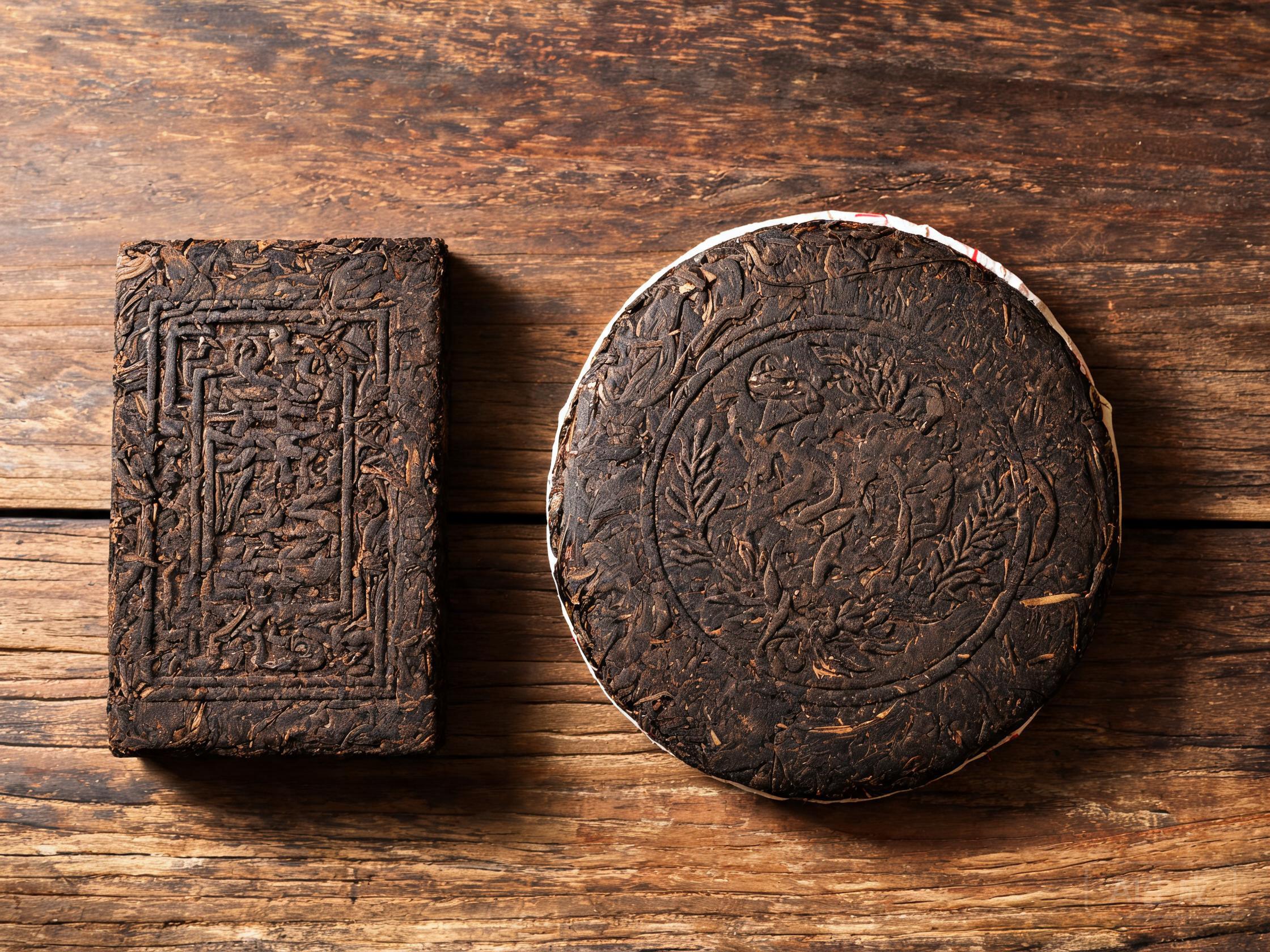
Compressed novelty shapes are sold year round and are mostly low grade leaf.
They are a winter option if you accept that the scent has gone.
Storage decides everything here, since aroma is the product.
Sealed, cool and dark, a jasmine tea will hold 12 months at a push.
Loose in a tin on a warm shelf, it will be ordinary tea in 3 months.
Buy small amounts often rather than one large lot each year.
Buy it in the month of its flower and you will not need to store it at all.
Anything kept for a second year is ordinary tea with a memory of flowers.