Best moments
Scented tea suits social occasions where the tea is not the main subject.
A teahouse with friends is the natural setting, and it is the traditional one.
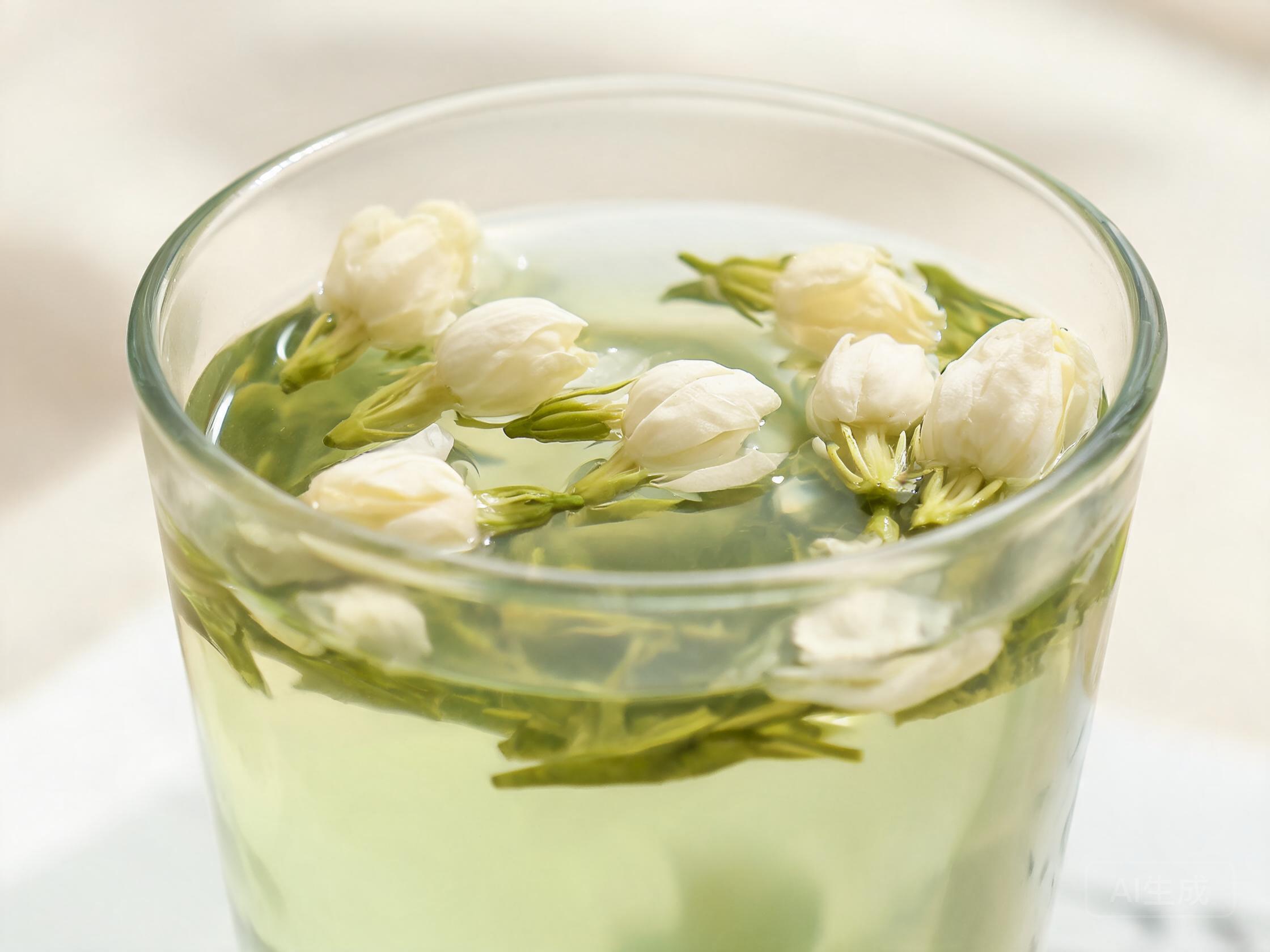
Jasmine tea is what many Chinese households serve guests as a matter of course.
That makes it a hospitality tea rather than a tasting tea.
Summer afternoons suit it, since the scent reads best in warm air.
Osmanthus tea suits autumn occasions, and it is often served at festival time.
It works well as a welcome cup, because almost nobody dislikes it.
It is also the safest choice when you do not know what someone drinks.
A quiet afternoon with one pot is the most rewarding version.
The scent changes across 3 steeps, and the second is usually the best.
Serving it to someone who has only had teabags is a genuine pleasure.
It is the most persuasive argument in the whole category.
It suits an afternoon with no fixed end, where the pot can be refilled without anyone asking.
Guests who say they do not drink tea are usually won over by this one.
It is also the cheapest way to make a table feel looked after.
Less ideal moments
The off-times for scented tea are the ones where the scent cannot survive.
A large noisy table is the first, since aroma needs a little quiet.
A formal tasting is the second, because the category is judged on one dimension.
Cold outdoor settings are the third, and they take the scent within minutes.
Spicy food is the fourth, and it is the most decisive of all.
Anything with chilli in it will end the session in one mouthful.
A dessert table reduces the tea to a pleasant smell and nothing else.
Occasions where people drink quickly are a poor fit, since the scent needs attention.
A very long session is also wrong, because the scent is gone by the 4th steep.
Plan for 3 infusions rather than 8.
Serving it after a strong tea in a line-up wastes it completely.
Put it first, or serve it alone.
Occasions with strong cooking smells nearby are hopeless, since the scent cannot compete.
A kitchen table beside a fryer will waste the whole pot.
Setting it up
Setting up a scented tea is mostly about protecting the aroma.
Use a covered cup or a small pot with a lid, and keep the lid on between pours.
Water at 90 °C carries the scent, and cooler water leaves it behind.
Use 3 g for a 150 ml vessel, which is a little more than you would use for a plain green.
Steep for about 60 seconds on the first infusion and slightly longer after.
Two or three infusions is the realistic session.
Serve in small cups, since the scent gathers in the steam above them.
Do not use a mug, which disperses everything into the room.
Preheat the pot, because a cold vessel costs the first pour entirely.
Smell the dry leaf before you start, and say what people are about to smell.
That small gesture does more for the occasion than any equipment.
Then pour, and keep the pours short.
Warm the cups as well as the pot, because cold porcelain kills the aroma on contact.
Pour from close to the cup, which keeps the steam where it can be smelled.
Food around it
Food around a scented tea should be plain and quiet.
Salted melon seeds are the traditional teahouse answer, and they are exactly right.
Plain nuts and unsweetened crackers do the same job.
A lightly sweetened steamed bun works, and anything richer does not.
Fresh fruit is risky, because acidity fights the floral note.
Pear is the safest choice, and citrus is the worst.
Anything with butter or cream will coat the palate and muffle the scent.
Serve the food after the first cup, so the scent is met on its own first.
Keep the plate small, because this is a light tea.
Two things on the table is plenty.
The specific pairings are in the food notes for the category.
The plate should be quieter than the cup, which is not a high bar.
Anything heavily spiced will simply overwrite the flowers, and that is the end of the session.
Keep the food unsalted if you can, since salt shortens the finish noticeably.