The effect
Altitude claims on reprocessed tea should be treated with suspicion, because they describe the wrong thing.
What matters in this category is where the work was done and what the base leaf was, not how high it grew.
A jasmine tea scented in Hengxian can be built on leaf from anywhere, and the packet will not say where.
The height printed on it, if there is one, refers to a garden nobody has named.
Peel for gan pu(柑普)is grown on low ground near the Pearl river delta, and altitude is irrelevant to it.
Xinhui is close to sea level, and the citrus there does well precisely because it is warm and flat.
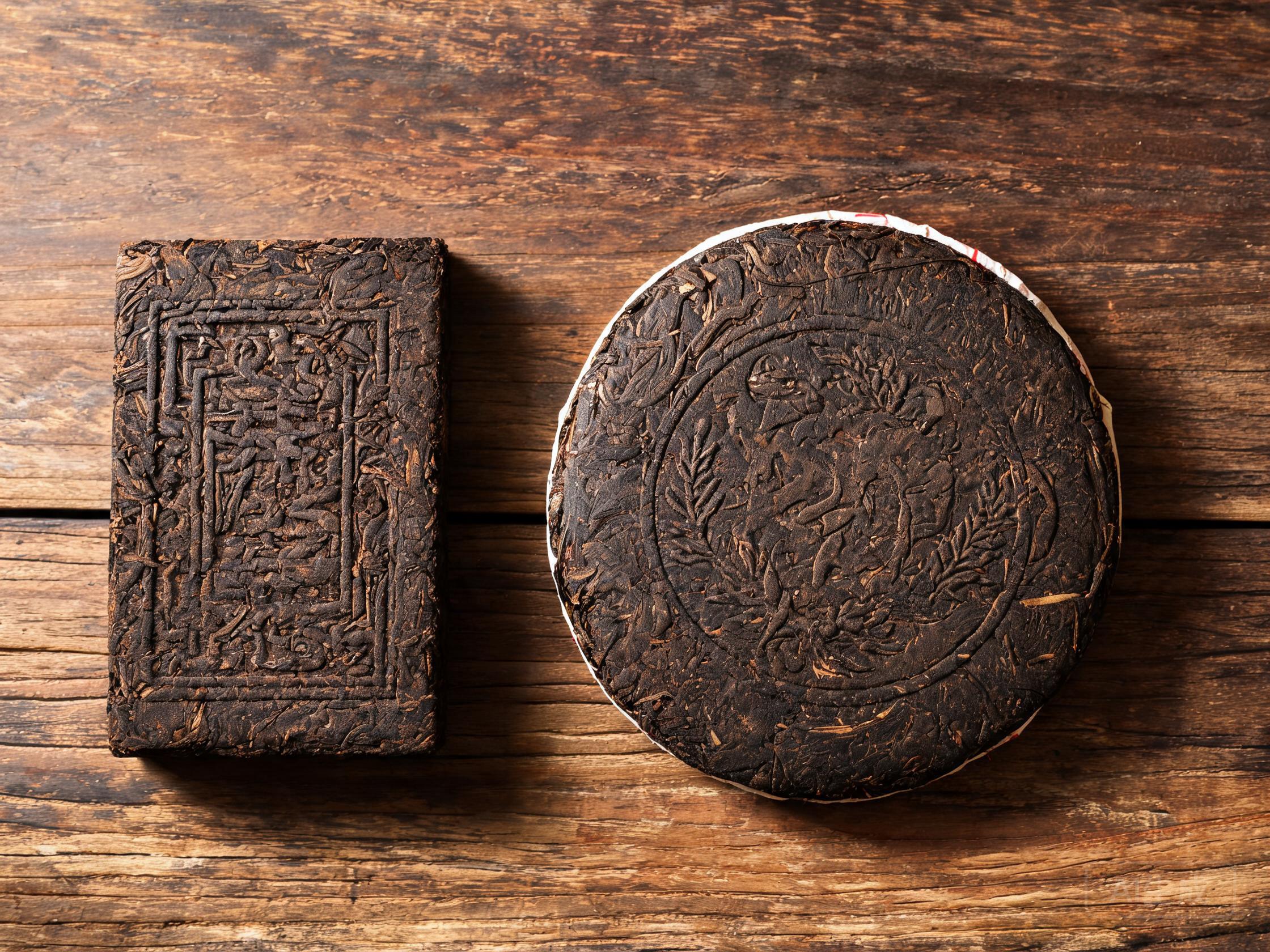
Compressed pu-erh is the one place where height genuinely enters the story, and it enters through the leaf.
Yunnan’s pu-erh districts sit well above 1,000 m, and the material is chosen for that reason.
Even there, the elevation matters because of how the leaf ages, not because of how it tastes young.
Scented tea is judged on aroma, and aroma comes from the flower rather than from the garden.
So the effect is real in one half of the category and meaningless in the other.
Any packet that uses one altitude figure for both halves is not describing anything.
Why it happens
Where the mechanism does operate, it is the same slow growth story as everywhere else.
Cool air at height slows the bush, and the leaf ends up denser and richer in soluble material.
In pu-erh that density is what gives the tea something to spend over decades of storage.
Thin low grown leaf ages into thin tea, and no amount of time fixes that.
Day night swing and cloud cover contribute the same way they do in other categories.
For scented tea the mechanism is entirely different, and it belongs to the flower.
Jasmine buds are picked in the afternoon and open in the evening, and the scenting happens overnight.
None of that has a height component, and the gardens that supply the base leaf are rarely disclosed.
Compression then removes what little regional character was left, since blending is standard.
A cake is a blend by default, and a blend has no single altitude.
Storage finishes the job, and after a decade it decides far more than the garden did.
Height feeds the material, and then process and storage take over.
Limits of the rule
The first limit is disclosure, and it is decisive in this category.
Base leaf is the largest part of a scented tea and it is almost never named on the packet.
Without it, an altitude figure is a claim about an unknown ingredient.
Blending is the second limit, and it applies to nearly every compressed product sold.
Grade is the third, since most scented tea is made on cheap base leaf and the grade reflects that.
Applied aroma is the fourth, because a sprayed tea smells strong regardless of where anything grew.
Peel origin is the fifth, and a substitute peel from outside Xinhui changes the product completely.
Altitude numbers here are marketing rather than information, and they are usually printed without a source.
A seller who quotes a height and cannot name the garden is repeating something from a wholesale listing.
Even an honest figure would describe leaf that has since been blended, pressed and stored for years.
What a buyer can verify is the number of scenting rounds and the identity of the maker.
Both tell you more than any measurement of height.
Practical takeaway
Ignore altitude on scented tea, and spend the effort on the two questions that actually matter.
Ask what the base leaf is, and treat silence as an answer in itself.
Ask how many scenting rounds the tea had, since that determines how long the aroma will last.
Brew 5 grams in a 100 ml vessel at about 95 °C and steep for 30 seconds.
Smell the lid at every infusion, and note where the flower stops being detectable.
Real scenting is still there at the 4th infusion, and applied scenting is usually gone by the third.
For compressed tea, altitude is worth knowing only if the seller also names the garden and the year.
Even then, judge the cake on its storage, since a decade in a bad room undoes everything else.
Rinse compressed leaf once before the first real infusion, and reject any damp or musty smell.
For gan pu, check the peel for visible oil glands rather than asking about the height of a citrus grove.
Peel from Xinhui is bright and slightly bitter, and a substitute tastes flat and sugary.
Altitude is the wrong tool for this category, and using it will cost you money.