What the GI means
Reprocessed tea has protected names, and the problem is that they cover the wrong half of the product.
Hengxian jasmine tea is protected, and it is the strongest name in the category.
Xinhui peel is protected, and it carries most of the value in a gan pu(柑普).
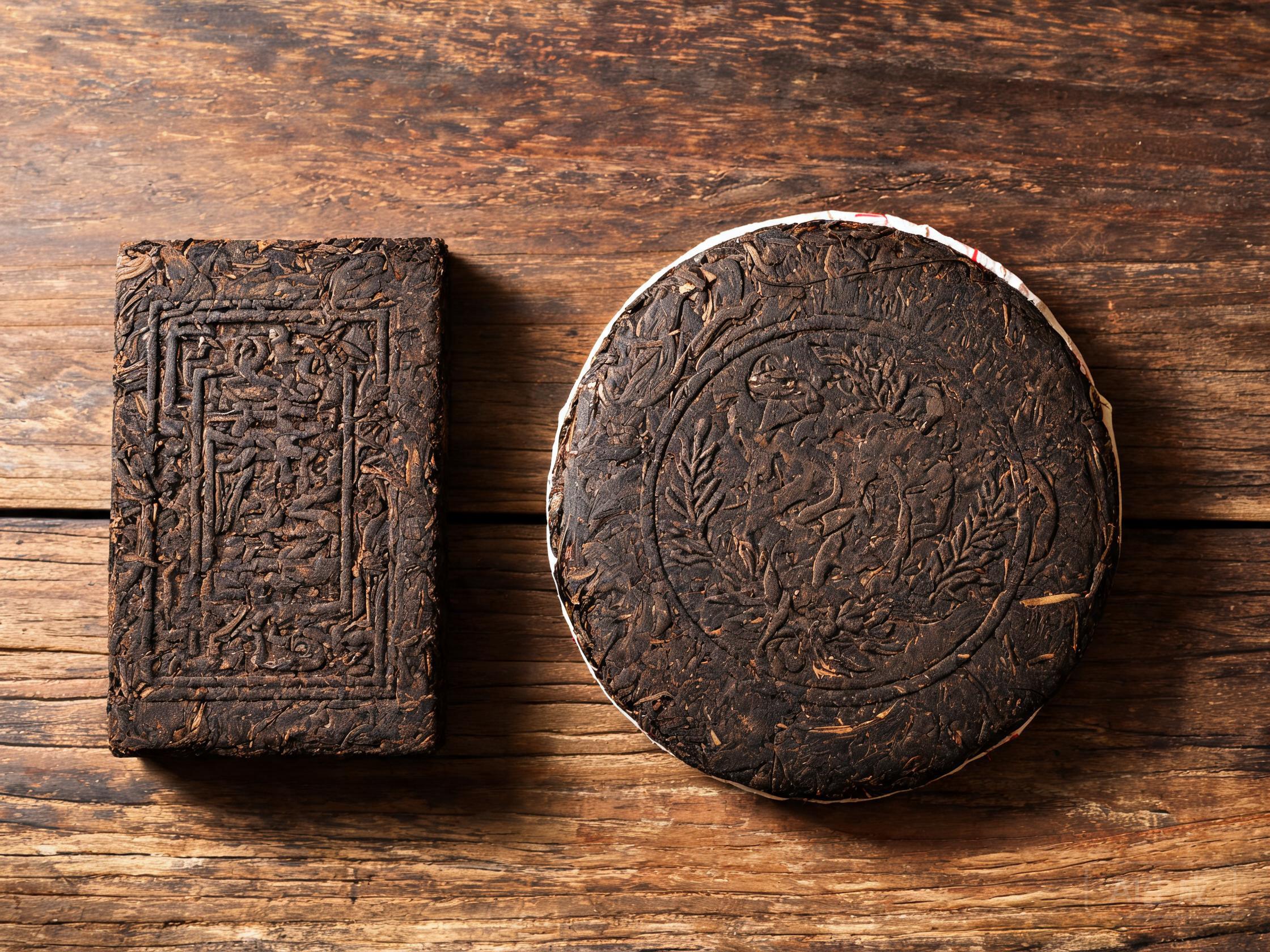
Pu-erh is protected as well, which matters here because compressed cakes are reprocessed tea too.
None of those three says anything about the base leaf, which is the larger part of what you drink.
That is the central weakness of the whole category, and no mark fixes it.
In China a name can be protected 3 different ways, which makes the packet hard to read.
Product protection is the formal route, run by the national intellectual property office since 2018.
Certification marks are the second route and the commonest thing printed on a wrapper.
The agricultural register is the third, and it is rarely the one being enforced in a dispute.
Outside China, jasmine tea and Xinhui peel are unprotected, and the names are used freely.
What it guarantees
What these designations guarantee is real but narrow, and it is worth being precise about it.
The Hengxian name guarantees the scenting happened there, with flowers grown in the same county.
It guarantees the sequence, which is leaf and flower heaped together and separated before dawn.
It does not say how many rounds, and a tea scented 3 times and one scented 6 are different products.
The Xinhui name guarantees the peel is the local citrus, dried and aged by the local method.
Peel sold as aged is usually 3 years old or older, and younger peel is a different ingredient.
The Pu-erh name guarantees the leaf is Yunnan broad leaf and the pressing happened in the province.
Each of those is a genuine constraint, and each one can be checked by someone who knows what to look for.
Hengxian scenting shows up in how long the aroma lasts across infusions.
Xinhui peel shows up in the oil glands, which are visible on the surface of the rind.
The 2021 agreement with the European Union lists 100 Chinese products in its first batch, and these names benefit from it abroad.
What it does not
What the designations do not guarantee is the part that decides whether the tea is any good.
They do not guarantee the base leaf, which is the single biggest gap in this category.
A Hengxian jasmine tea can be built on excellent leaf or on the cheapest green tea available.
Both carry the mark, and both are lawful, and they taste nothing alike.
Grade of the base is not fixed, and most of it is never disclosed.
Essential oil sprayed on at the end is not excluded, and the mark says nothing about it.
Applied scenting is common, cheap and legal in much of the trade, and the mark does not exclude it.
Peel age is not fixed either, and the aged claim is the easiest one to lie about.
Storage of a compressed cake sits outside it, and after 10 years storage matters more than origin.
Enforcement is complaint driven and slow, which suits a category where the fraud sits in the base.
A mark on a reprocessed tea tells you where the work was done, not what it was done to.
How to use it
Start with the base leaf, because that is the question the marks never answer.
Ask what the tea under the flowers is, and treat a vague answer as a bad one.
Brew to the 4th infusion, since real scenting is still there and applied scenting is gone by then.
That single test costs nothing and settles more than any document on the packet.
For gan pu, check the peel for visible oil glands before you believe the Xinhui name.
Peel from elsewhere is smooth by comparison, and the substitution is routine at every price.
For compressed cakes, the Pu-erh mark is worth little on its own, since the area is an entire province.
Buy compressed tea on the maker and the storage record instead, and let the mark be background.
Use the Hengxian name when you want the traditional process and can verify it by brewing.
Ignore it when you are buying a daily jasmine, where the base leaf matters far more than the county.
The mark is one input, and in this category it is rarely the most important one.