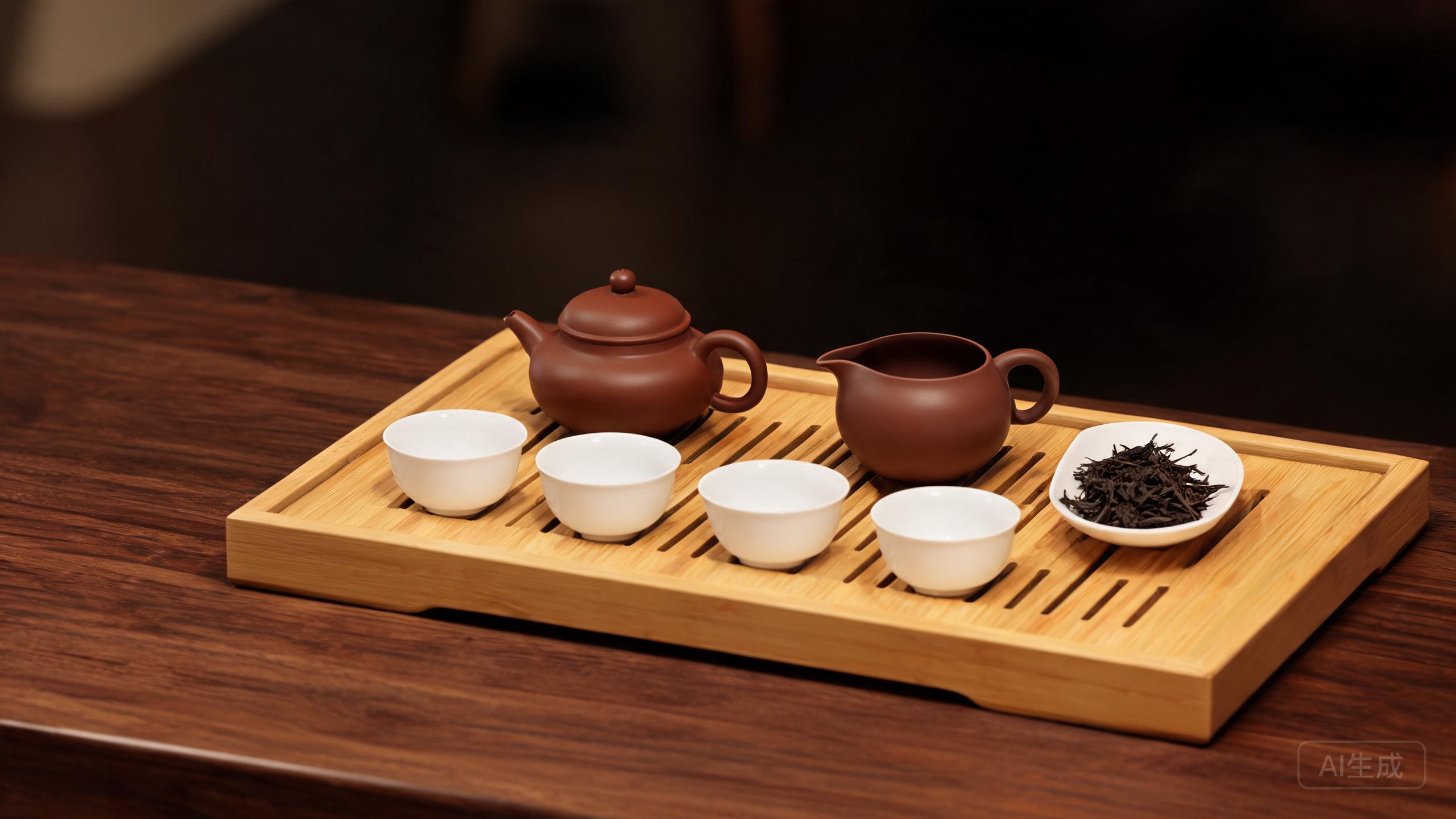
The short answer
A 120 ml porcelain gaiwan matches almost every oolong, and it is the answer most people should take. It is neutral, it is cheap, and it handles the whole roast range without committing you to anything.
Porcelain suits the light end especially well. A baozhong or a high-mountain tea is judged on aroma, and a glazed surface gives that aroma back intact rather than absorbing part of it.
Roasted oolongs are the exception where another vessel wins. A seasoned clay pot takes the edge off a heavy roast and adds a roundness that porcelain will not produce, at the cost of never being neutral again.
Everything else is preference rather than matching. Cup shape, pitcher material and the rest change the experience at the margins; roast level and vessel material change it in the cup.
Volume is the other half of the answer. A 120 ml vessel suits one or two drinkers, while a 200 ml one suits three or four. Go larger than that and the last cups sit cooling while you work through the leaf.
A gaiwan is not a compromise here. It is what most competition tasters in China reach for, precisely because it presents the leaf without changing it, and that is what matching is supposed to achieve.
Why it matters
Oolong is brewed leaf-heavy and repeatedly, and the vessel decides how forgiving that is. A thick-walled pot keeps the leaf hot between pours, which will over-extract a delicate tea without you changing anything.
The second reason is aroma. Roasted and high-mountain oolongs are the most aromatic teas in Chinese tea, and a porous vessel quietly keeps some of that aroma for itself, permanently.
The third is heat. Light oolongs want water around 90 °C and heavy roasts want a full boil, and a thin vessel sheds heat fast enough to make the first case work while a heavy one protects the second.
None of this is subtle at the extremes. Brew a green-leaning oolong in a heavy seasoned pot and it will taste stewed and slightly roasted. Brew yancha in a thin gaiwan and it will taste thinner than it should.
Temperature is where a mismatch shows first. Light oolongs want water near 90 °C and roasted ones want 100 °C, so a vessel that holds heat will push a light tea past the point where its aroma survives.
Cups matter less than the brewing vessel, but they are not irrelevant. A 40 ml cup concentrates aroma in the nose; a 100 ml mug spreads it out and lets the tea go cold before you finish.
Neutral is safe
Neutral ware is safe in a way that specialised ware is not. You can brew any oolong in a porcelain gaiwan and get a fair version of that tea, which is exactly what you want while you are still learning the category.
It is also honest. A neutral vessel tells you what the leaf actually tastes like, and that information is what lets you decide which specialised pot, if any, is worth buying later.
The cost of neutrality is a ceiling rather than a floor. You will not get the extra roundness a seasoned pot gives a heavy roast, but you will also never get a cup contaminated by last week’s tea.
For most people drinking oolong a few times a week, that trade is clearly worth taking. One gaiwan and one pitcher will cover the category for years.
A neutral set is also cheaper to live with. Porcelain breaks, and a gaiwan that costs about the price of 100 g of tea is far easier to replace than a seasoned pot you cannot source again.
Building a habit
The habit worth building is separation by roast rather than by region. Keep one neutral vessel for light oolongs and, if you drink much roasted tea, one clay pot reserved for them.
Label the separation mentally, not physically. Writing on a pot is unnecessary; simply deciding that the darker pot is the roast pot and sticking to it is enough to keep the seasoning coherent.
Revisit the decision once a year. Tastes move, and the tea you drink most now is probably not the tea you drank most when you bought the pot. Re-match when that changes.
And keep the neutral set regardless. Even with three dedicated pots, a porcelain gaiwan is what you reach for when someone hands you a tea you have never brewed before.
Write nothing on the pot, but keep the pairing in your head. One roasted pot and one neutral gaiwan covers almost everything an ordinary drinker will meet, and a third vessel rarely earns the shelf space it takes up.