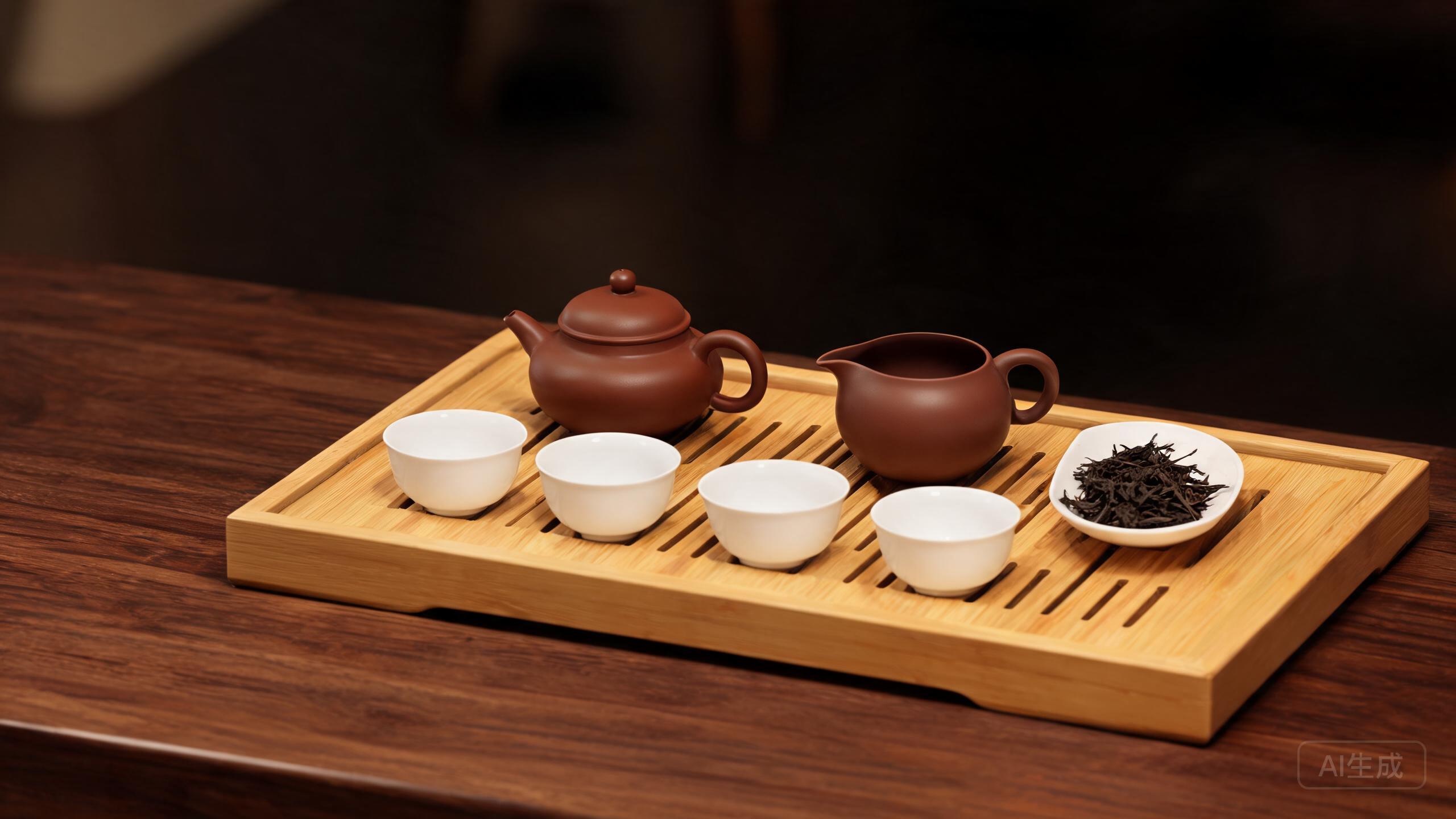
After each use
Yellow tea is a bud grade brewed at 85 °C, and it leaves almost nothing on the ware.
Empty the leaf within 5 minutes of the last pour, since dry buds cling to glass and porcelain.
Rinse with hot water and wipe the inside with a soft cloth kept for the purpose.
No detergent on anything you brew in, because the tea is too faint to hide a residue.
A yellow tea with a hint of washing up liquid in it is not a yellow tea any more.
Turn the vessel upside down on a rack and let it dry completely in open air.
A tall glass dries in about 1 hour, and a gaiwan takes a little longer with the lid off.
Leave the lid off rather than on, since a closed vessel holds moisture for a day or more.
Drying matters more than washing here, because stale moisture is what spoils a delicate tea.
Wipe the outside too, since a film builds up slowly and dulls the view through the glass.
The film is harmless, but it is the reason a glass stops showing you the buds.
Two minutes after each session, and the ware will outlast the tea by years.
Dedication versus neutrality
Dedication is a question about clay, and yellow tea drinkers have no reason to own any.
Glass and porcelain stay neutral however often you use them, as long as the glaze is intact.
Brew Junshan Yinzhen in the morning and something else in the afternoon in the same vessel.
Rinse between the two and nothing carries over, because neither material has pores to hold it.
Unglazed clay would make that impossible, and it would also spoil the tea in other ways.
A clay pot holds heat too long for a bud tea, and it takes up the sweet note as well.
Seasoning a pot on yellow tea achieves nothing, since the leaf is too faint to leave much behind.
What such a pot mostly smells of, after a few months, is leaf that has gone stale.
So the dedication argument never really starts in this category.
One glass and one gaiwan, both neutral, and the question does not arise.
If you also drink ripe pu-erh, keep that in a separate vessel for the same reason.
The fermentation smell is the one thing no amount of rinsing will take out of clay.
What to avoid
Avoid detergent, the dishwasher and anything perfumed, in that order of importance.
Yellow tea is the faintest category on the site, and it shows a residue faster than any other.
Avoid leaving the leaf in the vessel overnight, which is the mistake that does the most damage.
Wet buds left for 12 hours turn sour, and the smell goes into anything porous.
Avoid abrasive scourers, because a scratched glaze stops being neutral and starts remembering.
A scratched surface lets liquid into the body, and no cleaning reverses that.
Avoid putting ware away damp, since a closed cupboard and a warm kitchen grow mould.
Avoid stacking wet pieces, because the moisture trapped between them has nowhere to go.
Avoid sharing a cloth with the kitchen, since it carries the smell of whatever it dried last.
Keep one cloth for tea ware, or rinse the vessel and let it air dry instead.
A rinse of 10 seconds with hot water after each session prevents every one of these.
The care routine is dry air and no chemicals, and it does not need anything else.
Long-term
Over years, glass and porcelain change very little, and yellow tea is gentle on both.
Expect a light film on the inside and small chips on the rim, and treat both as wear.
A chip on the rim of a gaiwan is a reason to replace it, because a chipped lid will not seal.
A lid that does not seal spills boiling water, and that is a burn rather than a nuisance.
Lift the film with a paste of bicarbonate of soda and water, left for 30 minutes.
It works on glass and on glazed porcelain, and it is the only cleaner worth keeping.
Check for craze lines once or twice a year, since a cracked glaze behaves like clay from then on.
Retire a crazed vessel from anything where you are comparing two teas.
Replace cheap ware rather than repairing it, since a plain gaiwan costs less than 50 grams of the tea.
The tea is the expensive part in this category, and the vessel never should be.
A vessel used daily for 3 years has taught you more than a new one will for a long while.
Clean it, dry it, replace it when it chips, and that is the whole of it.