The short answer
Yellow tea matches glass better than any other category, and the reason is a bud grade that moves.
Junshan Yinzhen(君山银针)rises and falls in the water, and only glass lets you watch it.
A tall glass of 250 ml with straight sides is the right shape for that.
A porcelain gaiwan of 100 ml comes second, and it is the one to use when you want tighter control.
Glass loses heat quickly, which suits a tea brewed at 85 °C rather than at boiling.
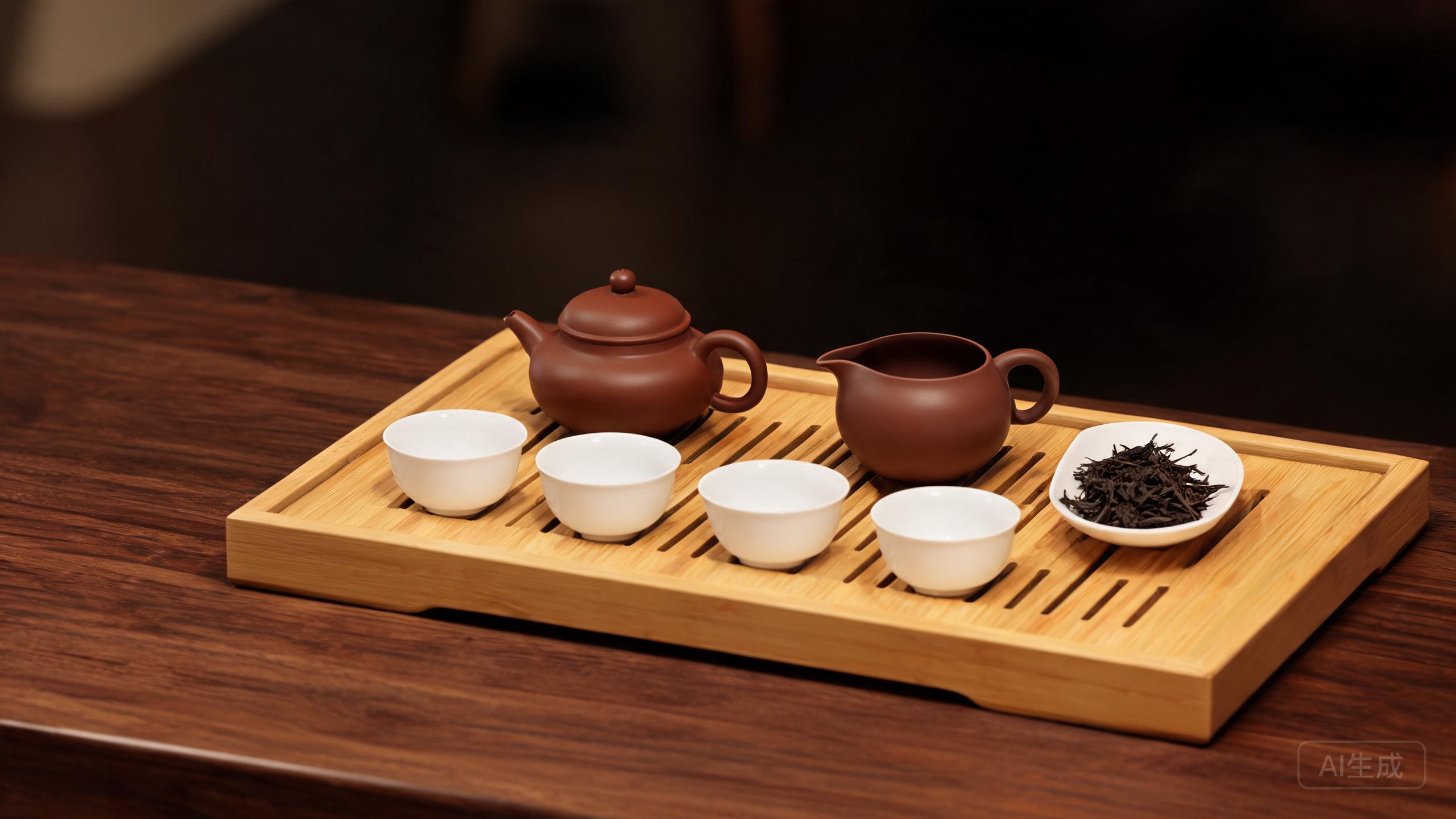
Unglazed clay is the wrong match here, and it is wrong for two separate reasons.
It holds heat too long, and it takes up the sweet note that makes the category worth drinking.
A small porcelain pot is acceptable, and it is what many households in Sichuan actually use.
Choose one with a lid that fits, since the lid is how you stop an infusion.
The category is small and the leaf is expensive, so the match is worth getting right.
If you drink only one yellow tea, buy for that tea rather than for the category.
Glass first, porcelain second, and clay never.
Why it matters
Yellow tea goes through men huang(闷黄), a yellowing step that leaves the leaf soft and sweet.
That sweetness is delicate and it is the whole point, so anything masking it is a bad match.
Heat is the first way a vessel masks it, and the tolerance here is narrower than in green tea.
Water at 85 °C is the ceiling for most yellow teas, and boiling water flattens the cup in one infusion.
A thick walled vessel keeps the temperature up after the pour and does that damage for you.
Absorption is the second way, since clay holds the aroma of whatever was brewed before.
A pot used on ripe pu-erh will make a yellow tea taste of the fermentation for months afterwards.
Surface area is the third, and a wide gaiwan sheds the heat that a tall mug would keep.
The cup shape matters last, because a sweet tea reads differently depending on where it lands.
A narrow rim sends the liquor to the back of the palate, where sweetness is harder to find.
A wider rim spreads it forward, and that is where the corn note of a well made yellow tea shows.
None of these are refinements for their own sake, and each one is easy to taste.
Neutral is safe
Glass and porcelain are both neutral, and either is a safe default for the category.
Glass has no pores at all, so there is nothing in it that can carry a previous session.
Porcelain is glazed and behaves the same way as long as the glaze is intact.
Check for craze lines before you buy, and reject anything with a cracked surface.
A neutral vessel lets you compare two harvests of the same tea, which is how the category is learned.
Yellow tea changes a great deal within a year, and only a neutral vessel shows that honestly.
Clay is a refinement you add once you have settled on one tea and one harvest date.
Even then it should be a pot used for nothing else, and seasoned on nothing else.
A pot sold as zisha(紫砂)for under twenty dollars is slip cast and tinted rather than hand built.
Real clay costs more than that, and the cheap version adds a risk rather than an improvement.
Until you are sure, buy glass in the tall shape the leaf wants and spend the rest on tea.
Neutral ware is cheaper, safer and easier to replace when it breaks.
Building a habit
Yellow tea is expensive and short lived, so the useful habit is brewing it often while it is fresh.
Buy 50 grams at a time rather than 250, and drink it within a season.
Use the same glass each time, and you will notice the day the sweetness starts to fade.
That day comes sooner than most sellers admit, and a familiar vessel makes it obvious.
Fix the dose at 5 grams in 250 ml for glass, or 5 grams in 100 ml for a gaiwan.
Bud grades weigh almost nothing, so use a scale reading to 0.1 g rather than your eye.
Hold the first infusion to 30 seconds and taste before you extend the next one.
Rinse the vessel with hot water and dry it, and leave it open to the air.
Use no detergent on anything you brew in, and nothing that leaves a smell behind.
Smell the empty glass before each session, since clean glass smells of nothing at all.
Replace it when it chips, and treat the leaf as the expensive part rather than the ware.
The match is the habit of drinking it fresh, and the glass is only where that happens.