The method
Yellow tea is the smallest category and the easiest to mishandle, because the whole point of it is subtle.
The step that makes it yellow is a slow damping of the hot leaf, known as men huang(闷黄).
That step removes the grassy edge of green tea and leaves a soft sweetness in its place.
So review yellow tea against green tea rather than against oolong, or you will score it for the wrong things.
Use 3 grams to 150ml and water at 80 to 85°C, since boiling water erases exactly what you are looking for.
Keep the ratio and the temperature identical for every single sample in the flight.
Smell the dry leaf, then the wet leaf, then the cup, and write a line about each of the three.
Brew the same leaf three times before deciding anything, because the sweetness arrives late.
Keep a reference green tea and a reference yellow tea on the bench beside you for contrast.
Describe first and score later, and do both on the same day while the leaf is still fresh.
Setting up
Soft water, boiled and then cooled to 80 to 85°C, which takes about 5 minutes in an open kettle.
Hard water is particularly unkind to yellow tea, and it mutes the sweetness the category is prized for.
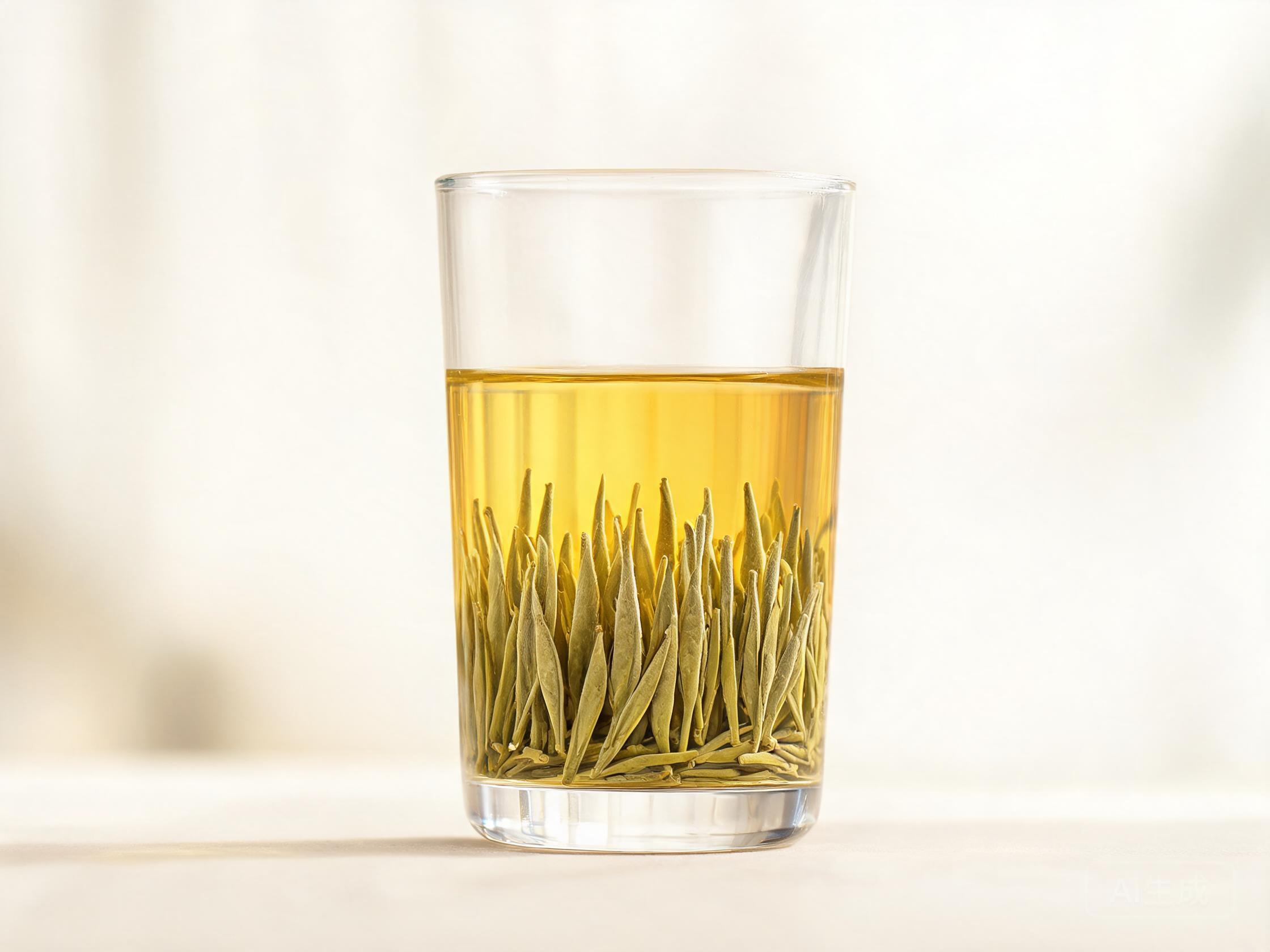
A glass is the traditional and practical choice here, since the buds are meant to be watched as they sink.
A porcelain gaiwan works too, and it keeps the temperature more stable across three infusions.
Warm the vessel, but not with boiling water, or you will scorch the first infusion outright.
Steep for 2 minutes at first, then three, then four, because yellow tea gives up its flavour slowly.
Use whole buds where you can find them, since broken material brews bitter and unevenly.
Weigh the sample, because buds are light and it is easy to use twice as much as you intended.
Keep the room free of smells, and do not review yellow tea after anything roasted.
Three samples is plenty, since this is the most delicate category and it tires the fastest.
What to score
Dry buds should be fat, downy and a soft yellow-green rather than a bright grass green.
Aroma comes first, with a warm and slightly sweet smell carrying a note of corn or cooked chestnut.
Grassiness means the damping step was too short, and the tea is really a green tea wearing a label.
The liquor should be pale yellow and bright, never dull or orange, which would mean over-processing.
Taste for sweetness and softness, since yellow tea should have no hard edge anywhere in the mouth.
A slight astringency at the back is acceptable, but it should disappear within a few seconds.
The finish is the strongest argument for the category, being sweet, long and quiet all at once.
Compare it with a green tea made from the same material if you can find one, since the difference is process.
Check the spent buds, which should be soft, intact and yellow rather than green.
Faults to name: grassy, sour, flat, and the dull cardboard note that comes from poor storage.
Avoiding bias
Yellow tea is rare and expensive, so price bias is stronger here than in any other category.
Remove the wrapping, number the samples, and taste before anyone mentions the name or the origin.
Brew it before green tea in a mixed flight, since it is softer and will otherwise seem weak.
Keep the water temperature exactly the same for every sample, even if one of them seems to want it hotter.
Rinse between samples and wait, because the sweetness of yellow tea carries over into the next cup.
Review in the morning, since by afternoon this is the first category you lose the ability to taste.
Do not judge on the first infusion, which is almost always the least interesting of the three.
Have someone else pour, so that nobody at the table knows which of the samples is the expensive one.
Score the same tea twice on different days, and compare the two sets of notes honestly.
If a yellow tea tastes like a good green tea, say so, because that is a real finding and not a failure.