- Two kinds of change
- What new craft actually is
- The cultivar question in detail
- Why the changes happened
- How to tell them apart
- The standard's position
- Frequently asked questions
- What is new craft white tea?
- Is it still white tea?
- How do I recognise it?
- Can Silver Needle be new craft?
- Why were oolong cultivars used?
- Does new craft keep better?
White tea has changed in two separate ways, and they are usually confused. The first is new cultivars: bushes bred for oolong and green tea are now processed as white tea, giving teas such as Huang Guanyin white and Jin Mudan white. The second is new craft, xin gongyi, a process that adds a light rolling and a brief oxidation and produces something closer to a light oolong than to white tea.
The two changes are unrelated. A new cultivar is still white tea made from a different bush; new craft is a different process applied to the same bush. A tin can be either, both or neither, and the label rarely says which.
Distinguishing them matters because they taste entirely different and because one of them stretches the definition of the category to breaking point.
Two kinds of change
| Change | What it is | Example | Still white tea |
|---|---|---|---|
| New cultivar | A different bush, white tea process | Huang Guanyin white, Jin Mudan | Yes |
| New craft | Light roll and brief oxidation added | Xin gongyi white tea | Arguably not |
| New origin | The same bush and process elsewhere | Yunnan, Guizhou | Yes |
| New grade split | Regrading the same crop | Needle-style Shoumei | Yes |
A new cultivar is the simpler change. The white tea process works on any bush with a downy bud, and breeders have released cultivars with high aroma or high yield that can be picked and withered like Fuding Da Bai.
Huang Guanyin is one of the oolong cultivars that has been turned into white tea. Its leaf is yellow-edged, its aroma is orchid-like, and processed as white tea it gives a cup that is more floral than an eastern Silver Needle and less delicate.
Jin Mudan, another Fujian cultivar, gives a white tea with a fuller body and a distinct floral note. Both are sold as white tea and both would fail a strict reading of the geographical indication, which names the traditional bushes.
The new craft is a different matter. Xin gongyi, literally new craft, adds a light rolling step and allows a short oxidation before drying, which develops colour and aroma at the cost of the pale, delicate character that defines white tea.
What new craft actually is
The process was developed in Fujian in the 1960s as a way to use leaf that would otherwise be wasted, and it was formalised in the following decades. The leaf is withered, lightly rolled to break the cells, given a short oxidation and then dried.
The result is a tea with a darker leaf, an amber liquor and a fuller, softer body. It has none of the pale delicacy of a Silver Needle and it keeps far better, which was the original point.
Whether it is white tea is a definitional argument rather than a factual one. The Chinese standard treats it as a separate category, xin gongyi white tea, and the market sells it as white tea with a qualifier.
For a buyer the practical consequence is that a tin labelled white tea may contain a tea that is amber, soft and slightly fruity, and this is not a fault. It is a different product that shares a shelf.
The cultivar question in detail
White tea’s traditional bushes are three: Fuding Da Bai, Zhenghe Da Bai and the Cai Cha population. The first two are large-leaf varieties selected for downy buds, and the third is a mixed group whose tender shoots make Gongmei.
A breeder looking at white tea has two goals, yield and aroma, and the traditional bushes are mediocre at both by modern standards. Fuding Da Bai yields well and its aroma is subtle; a new cultivar can double the yield or lift the aroma considerably.
The oolong cultivars are attractive because they already have the aroma, and the white tea process is gentle enough to preserve it. A Huang Guanyin leaf withered and dried keeps its orchid note, and the result is a white tea that smells like an oolong.
The green tea cultivars are attractive for a different reason: early flush. A bush that buds two weeks earlier extends the white tea season, which is worth real money when the top grade is picked in a ten-day window.
| Bush | Bred for | Effect on white tea |
|---|---|---|
| Fuding Da Bai | Downy bud, traditional | Light, sweet, classic |
| Zhenghe Da Bai | Traditional, fuller cup | Savoury, deeper colour |
| Cai Cha | Population, Gongmei | Herbal, rustic |
| Huang Guanyin | Oolong aroma | Floral, less delicate |
| Jin Mudan | Oolong aroma and yield | Fuller, floral |
| Green tea cultivars | Early flush, yield | Variable, often thin |
The result is a category with a traditional core and a growing periphery. A buyer who wants the classic cup should look for the traditional bushes by name; a buyer who wants aroma has options that did not exist thirty years ago.
Why the changes happened
The cultivar change is driven by the market’s appetite for aroma. A white tea with an orchid note sells to drinkers who find a traditional Silver Needle too quiet, and the oolong cultivars supply that note at a lower cost than improving the traditional bushes.
The process change is driven by economics. New craft allows a producer to use leaf that the traditional process would waste, and it produces a tea that survives shipping and storage better, which matters for a product sold at a distance.
Both changes also serve a marketing purpose. A new name gives a producer something to sell that is not competing directly with Fuding’s established grades, and the white tea boom of the 2010s created room for a great many new names.
- New cultivars change the bush, not the process.
- New craft changes the process, not the bush.
- New craft white is amber and soft, not pale and delicate.
- Both changes are legitimate and neither is traditional.
- A label rarely says which change it is describing.
How to tell them apart
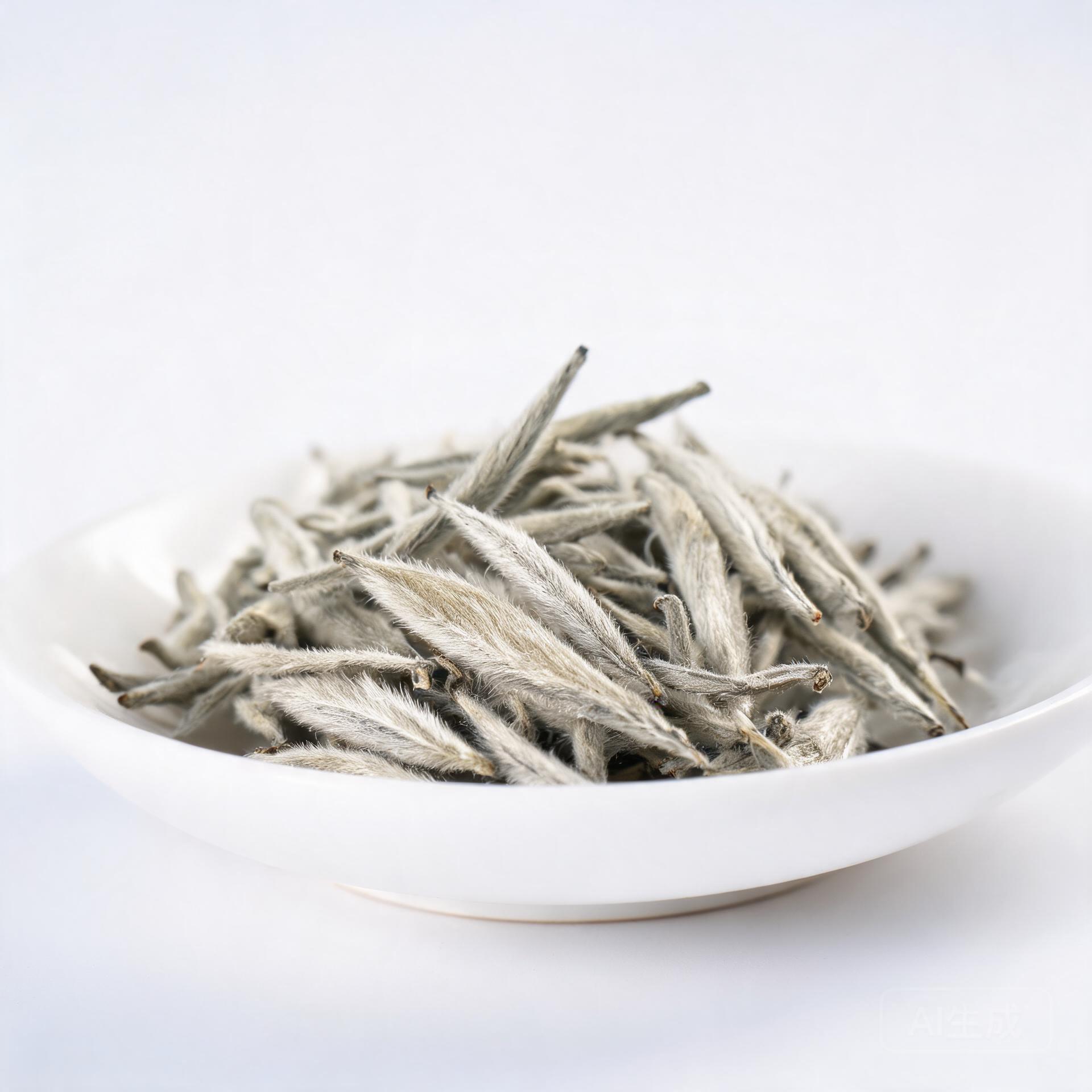
Look at the leaf. A traditional white tea is green-grey with white down and no rolling marks; a new craft tea is darker, slightly curled and shows a broken edge where the roll crushed the cells.
Look at the liquor. Traditional white tea brews pale apricot to light gold; new craft brews amber to light orange, and the colour is the fastest single tell.
Taste for oxidation. A traditional white tea has no fermented note at all; a new craft tea has a soft, slightly fruity character that comes from the brief oxidation, and it is unmistakable once you have compared the two.
Read the grade name carefully. A Silver Needle cannot be new craft, because the process requires rolling and a bud would be destroyed. A new craft tea will usually be labelled as such or sold under a generic name.
Ask the year. New craft teas keep better and are more often sold as aged, and a seller who says a tea is both new craft and ten years old is describing a product that has been around long enough for that to be plausible, which narrows the field.
The standard’s position
GB/T 22291 defines white tea by process and lists the traditional bushes in its descriptions, and it recognises xin gongyi as a separate product within the category with its own grade descriptions.
That means a new craft tea is legally white tea and a new cultivar tea sits in a grey area. The standard’s grade names are tied to the traditional material, so a Huang Guanyin white tea cannot be sold as Silver Needle even if it is made entirely from buds.
In practice the market uses invented names for the new products rather than fighting over the traditional ones, which is a sensible outcome. A tin that says Huang Guanyin white is describing something the standard does not name, and it is usually being honest about it.
The gap between the standard and the shelf is therefore smaller in white tea than in oolong, because the new products have largely kept to their own names. The remaining confusion is in the generic word white tea, which now covers a wider range than it did in 1800.
The practical advice is to taste both once and decide which you want, because the two products appeal to different drinkers and neither is a substitute for the other. A traditional Silver Needle drinker will find new craft heavy; a new craft drinker will find Silver Needle thin.
One further note is worth adding about price. A new cultivar white tea usually costs less than a traditional Silver Needle and more than a Shoumei, which places it in the middle of the shelf. That position is honest, because the raw material is cheaper and the picking standard is often lower.
Frequently asked questions
What is new craft white tea?
A process that adds light rolling and brief oxidation before drying.
Is it still white tea?
The Chinese standard treats it as a separate category within white tea.
How do I recognise it?
Darker curled leaf, amber liquor and a soft fruity note.
Can Silver Needle be new craft?
No. The rolling step would destroy a bud.
Why were oolong cultivars used?
The market wanted more aroma than traditional bushes give.
Does new craft keep better?
Yes. That was one of the original reasons for developing it.