- The four compared
- Why Fuding dominates
- The climate behind the bush
- What the regions mean for a buyer
- Other places that make white tea
- How to taste the difference
- Frequently asked questions
- Which region dominates white tea?
- What is the difference between Fuding and Zhenghe?
- Why is Jianyang known for Gongmei?
- Is Yunnan white tea real white tea?
- Does region predict quality?
- Which region is best value?
Four regions make almost all white tea, and they differ because of bush, climate and the accident of who started first. Fuding dominates by volume with a plump, sweet bud; Zhenghe makes a smaller, darker, more savoury leaf; Jianyang specialises in Gongmei from the old population bush; Yunnan grows large-leaf buds three times the size and gives a malty, honeyed cup.
The four are not equal in the market and not equal in age. Fuding started first and built the export channel, and its dominance is a commercial fact rather than a judgement about quality.
The regional question in white tea is unusually simple compared with oolong, because there is only one processing method. What differs between regions is what grows there, and the cup follows from that.
The four compared
| Region | Bush | Bud size | Cup character |
|---|---|---|---|
| Fuding, Fujian | Fuding Da Bai | Large, very downy | Sweet, light, melon and hay |
| Zhenghe, Fujian | Zhenghe Da Bai | Smaller, darker | Fuller, savoury, dried fruit |
| Jianyang, Fujian | Cai Cha population | Small, variable | Herbal, rustic, sturdy |
| Yunnan | Large-leaf assamica | Very large | Malt, honey, pepper |
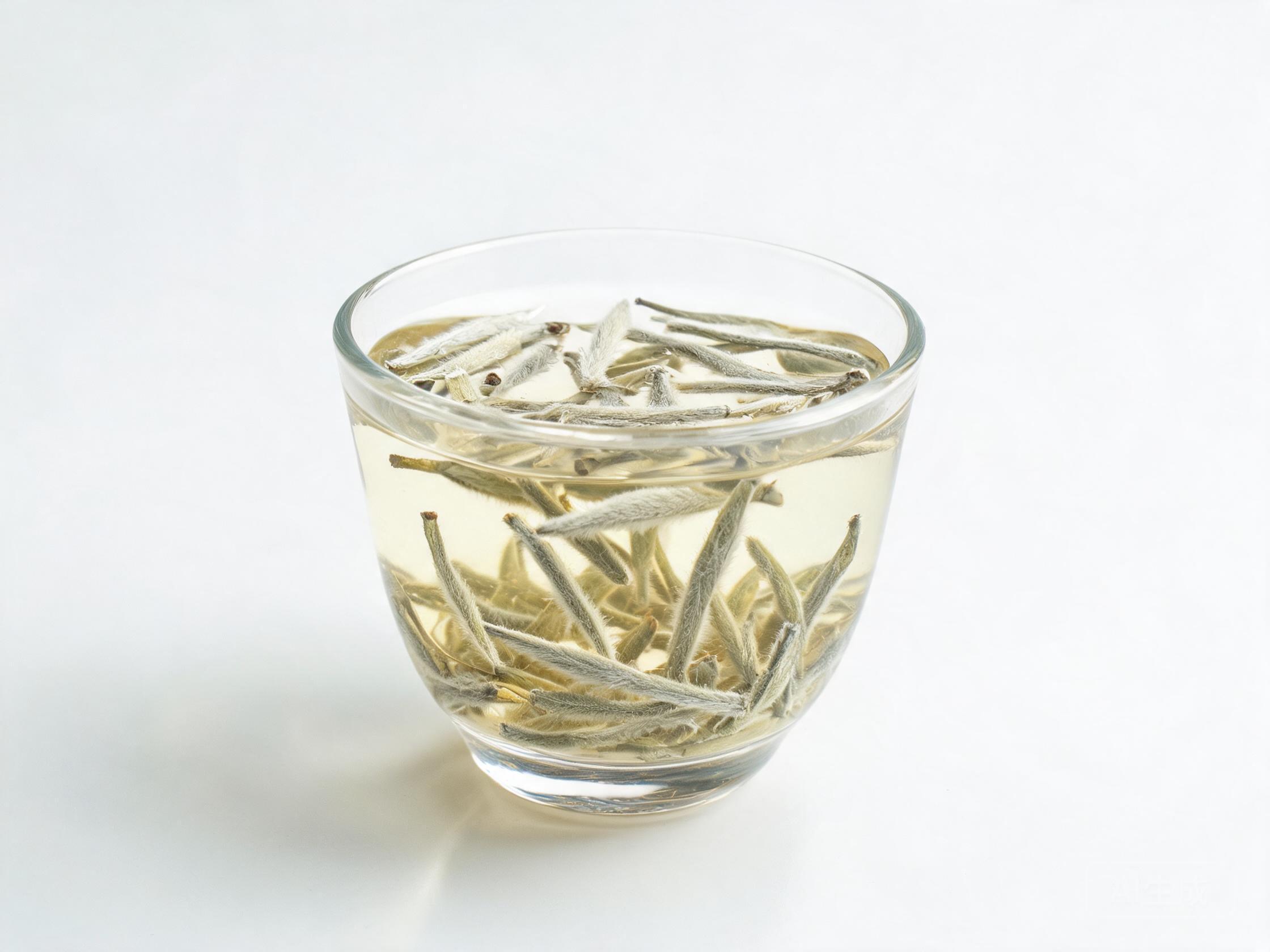
Fuding’s bush is the reason for its style. Fuding Da Bai has large buds with a thick coat of white down, and the down is what gives Silver Needle its appearance and its hay-and-melon aroma. The bush was selected for exactly that and the county built its reputation on it.
Zhenghe Da Bai produces a smaller bud with less down and a darker leaf. The cup is fuller and more savoury, with a dried-fruit note where Fuding gives melon, and the difference is one of the clearest regional signatures in tea.
Jianyang is the oldest of the three Fujian centres in some accounts and is now the smallest. Its specialty is Gongmei, made from the Cai Cha population bush, which gives a smaller, more variable leaf and an herbal, slightly rough cup.
Yunnan’s white tea is a recent product made from large-leaf assamica at altitude. The bud can be three times the size of a Fuding bud, the down is coarser, and the cup has malt and honey that no eastern white tea produces.
Why Fuding dominates
Fuding began commercial white tea production around 1800, before the other counties, and starting first matters in a trade built on export channels. A county with an established channel gets the orders and the volume follows.
Fuding also invested in the bush. Fuding Da Bai was propagated widely within the county, and a uniform plant made a uniform product, which is what an export buyer wants and what a premium price requires.
The county then marketed the origin. Fuding white tea holds a geographical indication, the county runs promotion programmes, and the name is now better known abroad than the category it belongs to. A buyer who has heard of white tea has usually heard of Fuding.
The dominance is not a verdict on quality. Zhenghe drinkers argue, with some justification, that their smaller bud and fuller cup is the better tea, and a blind comparison of the two is closer than the price gap suggests.
The climate behind the bush
Fujian’s three white tea counties sit in the same coastal hill country and share a climate: warm, humid, misty in spring and with a long growing season. The buds swell early and the pick begins in March, which is earlier than in most tea regions.
The difference between Fuding and Zhenghe is partly latitude and partly soil. Fuding is further north and closer to the coast, with cooler spring nights; Zhenghe is inland and warmer, with a longer autumn. The two bushes were selected in those conditions and reflect them.
Jianyang sits between the two and shares characteristics of both. Its smaller output and its focus on Gongmei mean its tea is less often compared directly, and the comparison is less meaningful because the product is different.
Yunnan is a different world. The gardens sit at 1,200 to 2,000 metres, the air is dry in spring, the sun is strong and the leaf grows slowly. That combination produces a large, thick bud with high sugar content and a cup that tastes of malt rather than of hay.
What the regions mean for a buyer
The region predicts the cup in white tea more reliably than in any other class except oolong, because the processing is constant and only the raw material varies. A buyer who knows the four profiles can order with reasonable confidence.
The region does not predict quality. A poorly made Fuding Silver Needle is worse than a well made Zhenghe one, and the price difference between the counties is larger than the quality difference.
Yunnan white tea is the best value in the category for a drinker who wants flavour rather than delicacy. The buds are big, the cup is strong, and the price is a fraction of an eastern Silver Needle because the name carries no prestige.
- Fuding is the volume leader and the best known name.
- Zhenghe gives a fuller, more savoury cup from a smaller bud.
- Jianyang specialises in Gongmei from the old population bush.
- Yunnan gives malt and honey from large-leaf buds.
- Region predicts the cup; it does not predict quality.
Other places that make white tea
Several other provinces now make white tea using the same process and their own bushes. Guizhou, Sichuan, Hubei and Fujian’s other counties all produce some, and most of it is sold as a generic white tea without a place name.
The quality varies widely and the price is usually low. A Guizhou Silver Needle made from a local bud can be pleasant and thin; a Sichuan version can be fuller and more floral. Neither carries the prestige of Fuding and both are worth trying at their price.
The spread matters because it shows that white tea is a process rather than a place. Any county with a downy-budded bush and a dry spring can make it, and the fact that Fuding dominates is commercial rather than botanical.
| Origin | Typical price band | What to expect |
|---|---|---|
| Fuding | High | Light, sweet, downy |
| Zhenghe | High | Fuller, savoury |
| Jianyang | Moderate | Herbal, sturdy |
| Yunnan | Moderate | Malty, large bud |
| Other provinces | Low | Variable, often thin |
How to taste the difference
Brew two Silver Needles from different counties side by side, at the same ratio and the same water. The difference appears in the first thirty seconds: the Fuding cup is paler and smells of hay and melon, the Zhenghe cup is deeper and smells of dried apricot.
Then taste. Fuding’s body is thin and sweet and its finish is short; Zhenghe’s is fuller and its finish lingers with a slight savoury note. A Yunnan bud will be darker still and taste of malt, which is unmistakable once you have met it.
The comparison is the fastest way to learn the category, and it costs two small samples. A drinker who has done it once can place an unknown Silver Needle within a guess, which is more than most labels allow.
The test also reveals the price question honestly. If the Fuding sample costs three times the Zhenghe one and you prefer the Zhenghe, you have learned something no article can tell you.
The commercial reality is that the four regions are converging. Fuding producers have planted Zhenghe-style bushes to offer both, Yunnan producers have learned to make a lighter bud, and the labels are increasingly a marketing choice rather than a description of a local tradition.
That convergence makes the side-by-side comparison more valuable rather than less, because the county name no longer guarantees the style. The cup is the only reliable guide, and it is available for the price of two samples.
A last note on Jianyang, which deserves more than a footnote. It was producing white tea before either of the other Fujian counties in some accounts, and its decline is a case of a place losing a market rather than losing a method. Its Gongmei is the most characterful cheap white tea in the category and the least well known.
The simplest summary is that Fuding sells the category, Zhenghe sells a style, Jianyang sells a grade and Yunnan sells a surprise, and a buyer who knows which of those they are in the market for will choose well.
The region is therefore a hypothesis and the cup is the evidence, which is the same relationship as in every other class and easier to test here because only one variable changes.
Frequently asked questions
Which region dominates white tea?
Fuding, by a wide margin in volume and recognition.
What is the difference between Fuding and Zhenghe?
Fuding is lighter and sweeter; Zhenghe is fuller and more savoury.
Why is Jianyang known for Gongmei?
It makes it from the Cai Cha population bush, which is what Gongmei is defined by.
Is Yunnan white tea real white tea?
Yes, made by the white tea process from large-leaf assamica.
Does region predict quality?
No. It predicts style, and quality varies within every region.
Which region is best value?
Yunnan, for drinkers who want flavour over delicacy.