The control points
White tea has only two steps, and almost all of its craft sits inside the first one.
Picking is the opening control point, and the standard is set before the leaf reaches the workshop.
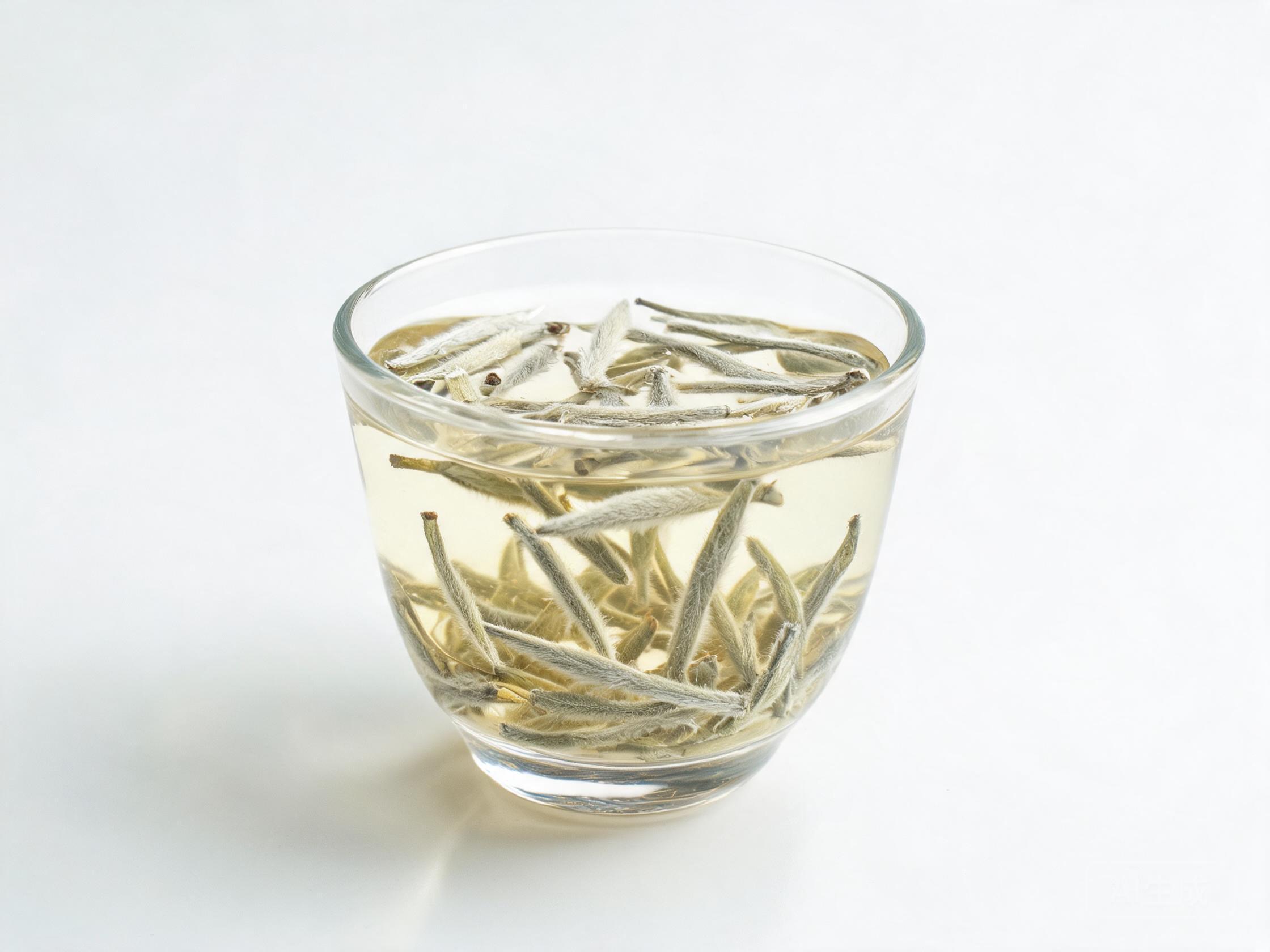
Silver Needle is bud only, Bai Mudan is 1 bud with 1 or 2 leaves, and Shou Mei accepts open leaf.
The second point is spreading, where leaf is laid thin on racks rather than heaped in a trough.
Thickness matters, since a layer more than 2 or 3 centimetres deep heats and begins to ferment.
Withering duration is the third point, running anywhere from 36 to 72 hours depending on the weather.
The end is judged by feel: the leaf is soft, the stem bends without snapping, and the grass smell has gone.
Moisture at the end of withering should fall to around 20 per cent before the leaf goes to the dryer.
Drying is the fourth point, and it is done gently at 60°C to 80°C to avoid cooking the aroma.
Final moisture is the fifth, and a finished white tea should sit below 6 per cent to store safely.
Sorting comes last, and it decides whether the grade printed on the bag is the grade inside it.
Why they matter
These points matter because white tea has no fixing step to stop anything once it has started.
Everything that happens to the leaf happens during withering, and nothing can be taken back.
Too slow and the leaf goes grey or sour, too fast and it stays green and grassy.
Temperature during withering is the variable that decides which way the leaf goes.
Above 35°C the process accelerates toward fermentation, which is not what white tea is meant to do.
Humidity is the other half, and wet weather is the reason so much white tea is trough withered.
Airflow is the third, since still air around a deep pile produces heat the maker cannot see.
Final moisture decides the storage life, and a tea dried to 8 per cent will not age cleanly.
It goes dull and then sour, and 3 years later the fault is blamed on the storage rather than the dryer.
Picking standard matters for a simpler reason, since no process turns Shou Mei into Silver Needle.
Two steps, five control points, and every one is settled before the tea has finished drying.
Signs of trouble
Faults in white tea are almost all withering faults, and they show in the dry leaf first.
A grey or dull coloured leaf means the withering stalled, usually in humid weather with poor airflow.
A green leaf that still smells of cut grass was dried before the withering had done its work.
Sourness in the cup means the leaf sat wet and warm, and it will not disappear with age.
A flat, papery taste means the tea was over dried, or it has simply been stored for too long.
Red or dark flecks among the buds are a sign the leaf fermented in places, which is a spreading fault.
Broken buds and dust point to rough handling after drying, and they make the liquor cloudy.
A musty smell is a storage failure rather than a process one, and no maker can be blamed for it.
Taste the liquor cold, because sweetness is the first thing to go when the withering was wrong.
Compare against a fresh sample of the same grade if you can, since faults are easier to spot in pairs.
Most of these are visible before the water is even hot, which makes white tea easy to judge honestly.
Holding the standard
Consistency in white tea comes from controlling the weather, which is why the best makers invest in rooms.
Traditional sun withering is at the mercy of the forecast, and a wet spring ruins more leaf than anything else.
Troughs with controlled airflow and gentle heating remove that risk, and most volume now moves through them.
The trade off is real, since trough withered tea is usually less aromatic than sun withered leaf.
Good producers run both, using sun when it is available and finishing indoors when it is not.
They record the hours at each stage, and they check moisture with a meter rather than by guesswork.
Picking standards are enforced at the buying point, where leaf is graded before it enters the workshop.
That is the cheapest place to reject material, and it is where most of the grade discipline happens.
Cupping happens at the end, and a batch that does not match the reference is sold down a grade.
Buyers can check the same thing by comparing two years from one producer and seeing whether they match.
Where they match, the weather was beaten, which is the whole of the craft in this category.