Where hands still matter
White tea has fewer steps than any other category, so hand work concentrates in picking and withering.
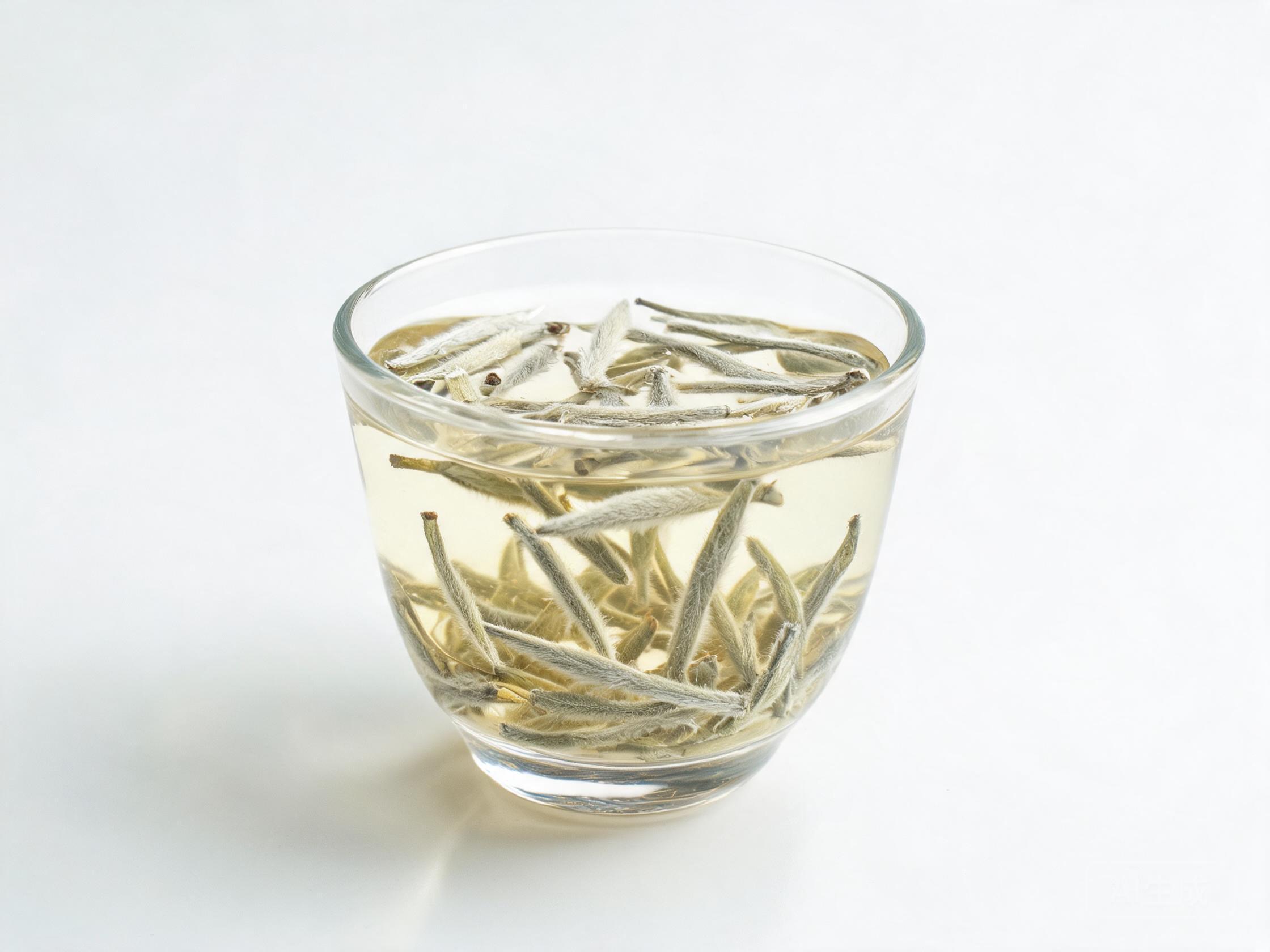
Bud grades are picked by hand, because no machine separates a fat bud from the leaf below it.
A machine would take bud, leaf and stem together, and the grade would collapse to Shou Mei.
Withering on bamboo racks is the other hand task, spreading leaf thin and watching it for 36 to 48 hours.
The leaf is turned by hand once or twice, gently, so the down on the buds is not rubbed off.
Machine withering in troughs with forced air handles volume and removes the dependence on weather.
Drying is almost always mechanised now, since a dryer holds a steadier temperature than any fire.
Sorting the finished tea is still done by hand at the top grades, for the same reason as picking.
Pressing is a machine job, and hand pressing a cake is largely a demonstration rather than a method.
So a premium white tea is hand picked, hand withered, and mechanically dried.
A picker gathers perhaps 5 to 8 kilos of buds a day, which is why Silver Needle costs what it does.
That is three steps, and only two of them were ever really available to do by hand.
The honest split
The split here is unusual, because the category has so few steps to divide between worker and machine.
Picking and sorting are hand jobs, and both are about selection rather than transformation.
A machine cannot select, which is the whole of it, and selection is what grade means in white tea.
Withering is a judgement, and the person watching decides when the leaf has had long enough.
Troughs with controlled airflow do the same job in less space and with no risk from rain.
What they lose is the ability to treat one tray differently from another on the same day.
Drying is a machine job and always should be, because steadiness is the entire requirement.
A dryer holds 50°C all day, and a person tending a fire does not.
Pressing is mechanical except for demonstration cakes, and the machine gives a more even result.
So the honest answer is that white tea is already mostly mechanised where mechanisation helps.
The remaining hand work is selection, which is exactly the part buyers should care about.
What you can taste
Machine withered white tea is usually thinner and flatter, and it keeps a faint grassy edge.
Hand withered leaf has more sweetness and a rounder smell, because the water left more slowly.
Machine dried tea is not worse than fire dried tea, and it is often cleaner.
Machine picked white tea is the real problem, since the bud ratio has already been destroyed.
It tastes like what it is, which is bud, open leaf and stem all brewed together.
The liquor is duller and the finish shorter, and no later step puts that right.
Compare two Silver Needles side by side and the hand picked one smells sweeter before you taste it.
The difference is smaller in Shou Mei, where the standard already accepts open leaf and stem.
Aged white tea narrows the gap further, since storage flattens whatever the process left behind.
So the question matters most in the young bud teas, and least in an aged cake.
That is where to spend the extra money, and that is where it makes no difference at all.
Buying implication
Hand made is a weaker signal in white tea than in almost any other category.
There is no rolling and no fixing, so large parts of the process were never hand work anyway.
A seller saying hand made may mean only that somebody picked the buds, as every premium tea is.
The useful questions are about the picking standard and the withering, not about hands versus machines.
Ask whether it was sun withered or trough withered, which is a real and answerable distinction.
Ask the grade, and then check the bud ratio yourself against what that grade claims.
At low prices, machine withering is a better buy than badly done hand withering in humid weather.
A tea that went grey or sour in a workshop is worse than anything a trough produces.
Pay for hand picking in bud grades, and do not pay for it in Shou Mei.
For aged cake, the storage history matters far more than how the leaf was withered years earlier.
Buy the bud ratio and the dryness, and let the labour story take care of itself.