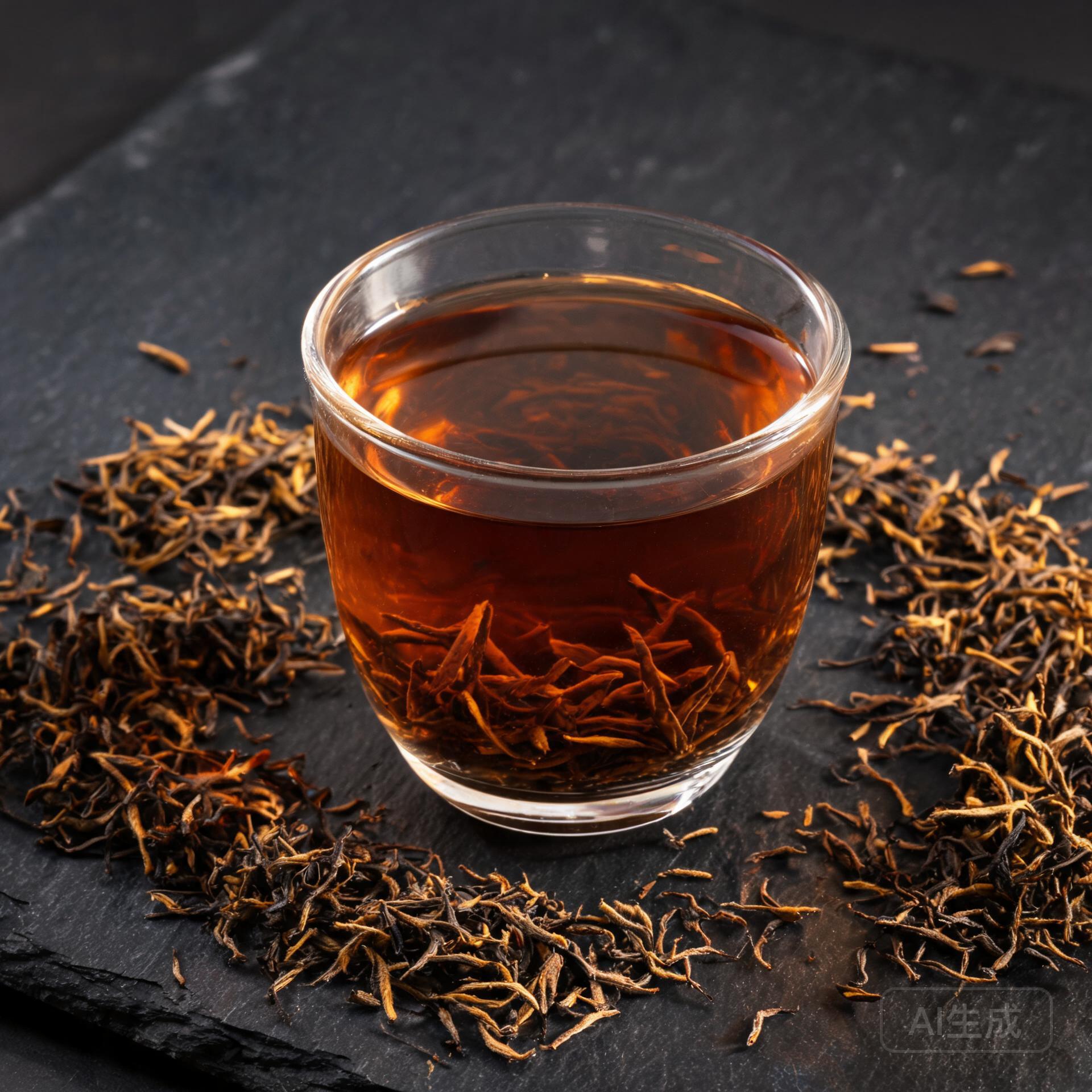
Two questions people actually ask
Two questions come up about red tea more than any others.
Does it have to be brewed with boiling water?
Not any more, and the rule is a hangover from a different kind of leaf.
Broken grades developed for tea bags do want a full boil, and those were what most people met first.
Whole leaf Chinese red teas do better at around 90 °C with a shorter steep.
Boiling water on a bud heavy Dianhong produces a bitter and stewed cup very reliably.
Can it be brewed more than once?
Yes, and a decent whole leaf grade will give three good pours.
What kills the second infusion is usually the first one being too hot and too long.
Lower the temperature and the same leaf spreads across a session instead of using itself up at once.
Those two answers fix most of the disappointment people have with this category.
The rest of the FAQ is about milk, which is a matter of taste rather than method.
Buying and storing
Red tea varies by grade more than by origin, which is unusual and useful to know.
Grade describes how much of the leaf was broken during rolling, and it sets the brewing.
So the useful question is whether the leaf is whole or broken rather than where it grew.
Smell the dry leaf, and expect malt, dried fruit or a faint chocolate sweetness.
A good Dianhong smells sweet and malty, and a good Keemun adds a dry smoky note.
Sourness or a flat dusty smell means the leaf is old or was stored damp.
Look for whole leaf if you want to rebrew it, and broken leaf if you want milk and speed.
Ask the seller which they are selling you, and whether they know the difference.
Storage is straightforward, since fully oxidised leaf is far more stable than green.
Keep it sealed, cool and dry, and it will hold for about 2 years without much loss.
Light matters more than temperature here, and a clear jar on a shelf is a bad idea.
Buy whole leaf in small quantities, since the aroma fades before the body does.
Drinking it right
The biggest question about red tea is strength, and most people brew it too hard for too long.
Start at 4 g in 150 ml at 90 °C and give it 3 minutes.
Taste it, then change one variable before the next attempt.
If it is bitter and drying, drop the temperature by 5 degrees before shortening the time.
A thin cup wants more leaf rather than more time, since long steeps turn most of this tea stewed.
For milk, brew it stronger rather than longer, and use a broken grade if you have one.
A whole leaf tea under milk usually needs 5 g rather than 4 to hold its own.
Add the milk after brewing rather than brewing in it, and the difference is immediate.
Run the milk test on any red tea you are considering buying in quantity.
A tea that keeps its body under milk is worth the money, and one that thins out is not.
Water hardness matters less here than with green tea, since oxidation gives you cover.
What matters is dose and temperature, and both are easy to control at home.
Myths versus facts
Several popular claims about red tea do not hold up, and they mostly come from tea bag habits.
Boiling water is not required, and it is the reason most people find this category harsh.
One infusion is not all you get, and a whole leaf grade will give three decent pours.
It is not a western invention either, since Tongmu has been making it for centuries.
What is true is that grade sets the method, and that most shop advice ignores grade entirely.
That is why so much red tea is brewed badly in otherwise careful kitchens.
The common misconceptions page for this category goes through both claims properly.
It is worth reading before deciding that you simply do not like the category.
Ask for the grade, and ask for a water temperature, and buy from whoever answers both.
Two questions, two answers, and the category changes completely.
Then brew the first cup cooler than you think you should, and see what happens.
Most people find their red tea improves immediately, and nothing else about the routine changes.