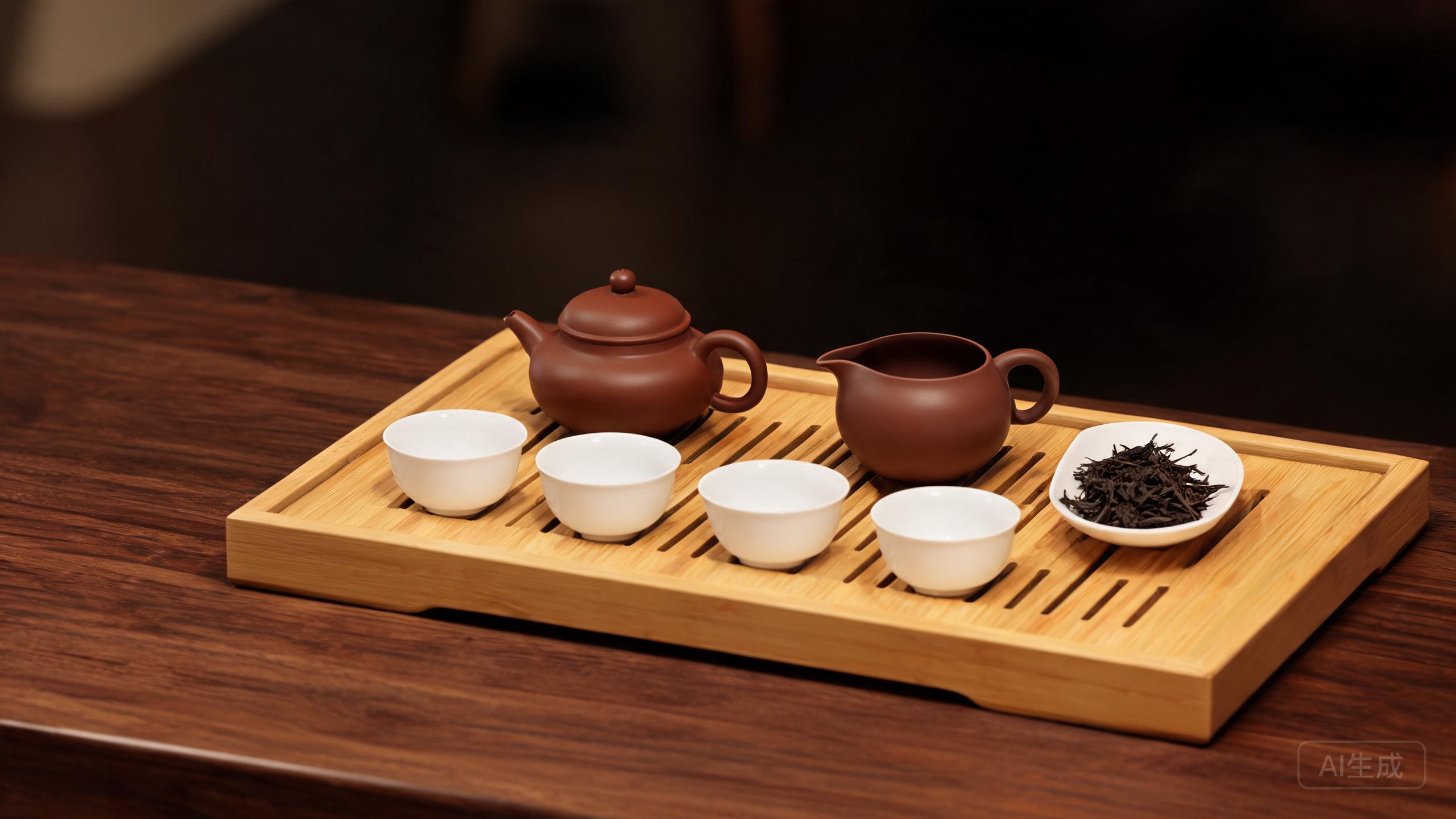
The short answer
Red tea matches porcelain best, and it is the most tolerant category about the vessel.
A 250 ml porcelain pot with a lid will brew every red tea correctly, from Dianhong to Qimen.
A 100 ml gaiwan is the gongfu answer, and it gives you the control a pot cannot.
Glass works too, and it shows the colour of the liquor, which is part of judging the category.
Unglazed clay is a genuine option here, unlike in green or yellow tea.
A fully oxidised leaf tolerates the extra heat that clay holds, and it gains from it.
A zisha(紫砂)pot used only for red tea will round the liquor out over a year or two.
The match depends on how you drink, since red tea is brewed both ways more than any other category.
A mug with a basket suits a 3 minute steep, and a gaiwan suits 30 second infusions.
Both are correct, and neither one is a compromise.
Buy for the way you actually brew rather than for the way you would like to be seen brewing.
Porcelain covers both, and it is the safe answer if you have not decided yet.
Why it matters
Red tea is fully oxidised, so the vessel has less power to spoil it than in the green categories.
What it can still spoil is the balance between body and brightness, and that is worth protecting.
Heat retention is the main lever, and this is the one category where more of it helps.
A thick walled pot keeps the water near boiling through a long steep, and red tea wants that.
A thin gaiwan loses heat and gives a thinner liquor, which some drinkers prefer and others do not.
Neutrality matters less here, since a strong red tea has enough character to carry a background note.
That is what makes clay a real option rather than a mistake.
Absorption is still real, though, and a clay pot will not stay neutral for long.
Whatever you brew in it becomes what the pot tastes of, and red tea then has to live with that.
Colour is the last thing, and it is judged through the vessel for most drinkers.
A white interior shows the true colour of the liquor, and a dark glaze hides it.
Buy a white interior if you intend to taste rather than to serve.
Neutral is safe
Porcelain is the safe default, since it takes boiling water and gives nothing back.
It also rinses clean, which matters if you ever brew ripe pu-erh in the same kitchen.
Glazed ware behaves the same way regardless of price, so buy on shape and fit.
Look for a lid that sits flat and a spout that does not dribble.
Those two things affect every session, and the maker’s name affects none.
Clay is the refinement, and it should be bought after the habit rather than before it.
Choose it only when you know which red tea you drink most, and dedicate it to that.
A pot seasoned on Qimen will not make a clean cup of anything floral later.
Avoid anything sold as zisha(紫砂)for under twenty dollars, which is slip cast and coloured.
Warm the empty pot and smell it, and a chemical note means the clay is wrong.
Until you are certain, keep the money in the leaf, since a whole leaf grade changes the cup far more.
Neutral ware and good leaf beat a named pot with a cheap tea in it every time.
Building a habit
Red tea is the easiest category to build a daily habit around, and the vessel should suit that.
Pick the size you drink in one sitting, and use it every day.
A 250 ml pot with 3 grams suits a morning, and a 100 ml gaiwan with 5 grams suits a session.
Weigh the leaf rather than spooning it, since broken grades pack far denser than whole leaf ones.
A scale reading to 0.1 g makes the dose repeatable, and repeatability is what teaches you.
Start at 95 °C and adjust from there, because the category tolerates a wide range.
Hold 3 minutes in a pot and 30 seconds in a gaiwan, and taste before you add time.
Rinse the vessel after each session and dry it, and leave the lid off overnight.
Skip detergent on anything porous, and rinse clay in plain hot water only.
Smell the empty pot before you start, since a clean vessel has no smell at all.
Replace cheap porcelain freely, and do not treat a chipped pot as an heirloom.
The habit is daily use, and the vessel is only where it happens.