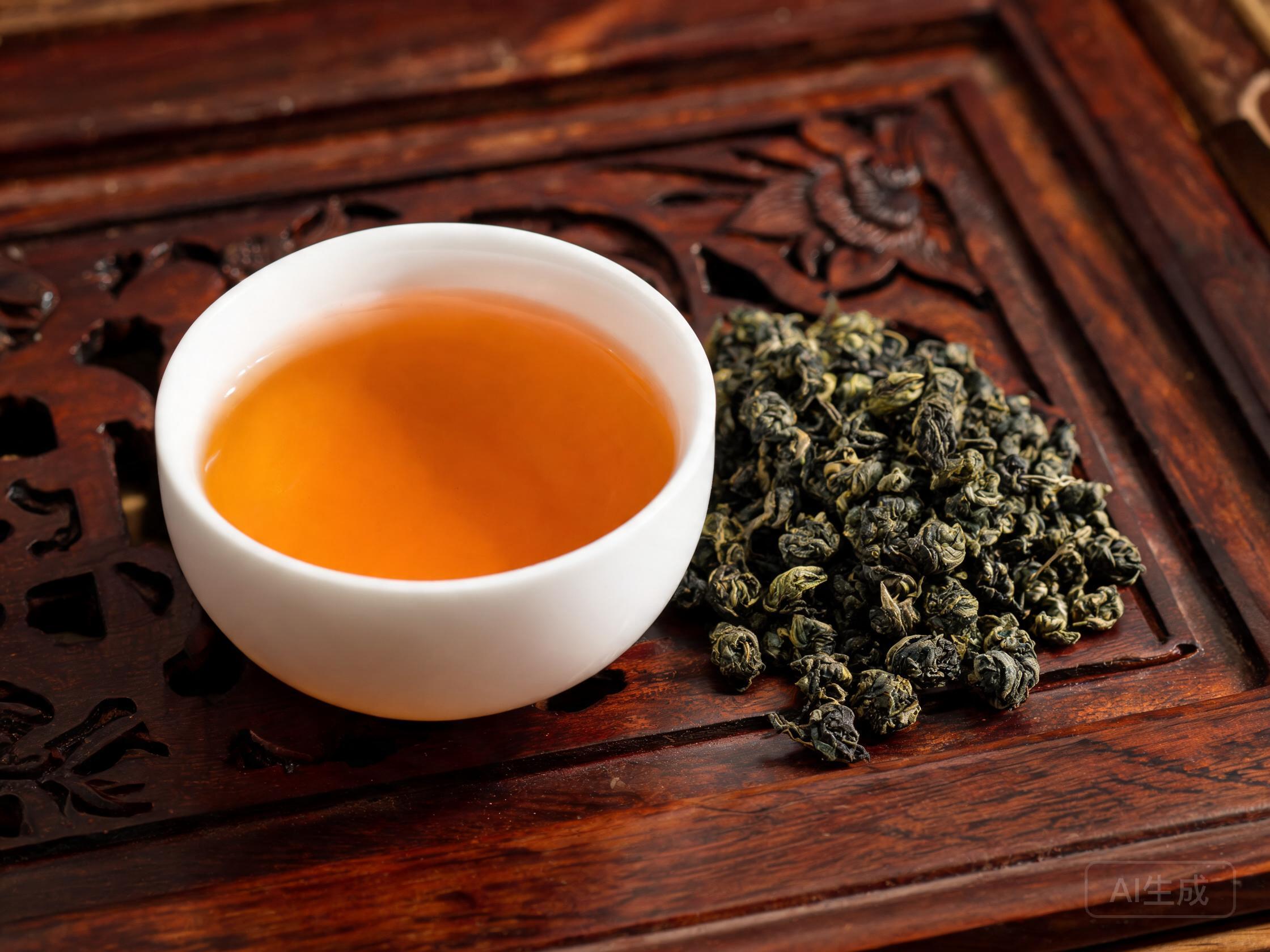
What impresses in Oolong tea
Oolong is the safest category to give, because it forgives bad brewing and it smells good the moment the packet opens.
A roasted oolong is the better gift of the two broad styles. It keeps well, it tolerates a boiled kettle, and it smells of dried fruit.
A light, green oolong impresses people who know tea and confuses people who do not, because it looks and tastes like a green tea.
Tieguanyin and Wuyi rock tea are the two names with the widest recognition, and either is a safe choice for a general gift.
Buy 100 grams rather than 50. Oolong is brewed at around 6 grams a session, so 50 grams is eight cups and gone in a weekend.
Whole leaf matters more here than in most categories, because oolong is judged on the size of the leaf after brewing.
A good roasted oolong smells of charcoal and dried fruit before it is even brewed, and that aroma does much of the work of the gift.
Give it in a tin if you like, because a roasted oolong is more tolerant of storage than a green tea is.
What impresses most is a tea the recipient can brew five times. Oolong does that, and it is worth saying when you hand it over.
Packaging that works
Roasted oolong is the one tea that genuinely does well in a tin, provided the tin has a decent seal.
Check the seal by closing it on a piece of paper. If the paper pulls out freely, the tin leaks and the tea will fade.
Vacuum pouches are the safest option for a light oolong, and they look less impressive, which is a fair trade.
Label it with the style, the roast level and the origin. Roast level is the detail that makes an oolong gift look considered.
Include a note on water temperature. Oolong wants boiling water, and most people who receive it use water that is too cool.
Add a small scoop or a note about the 6 gram measure. Oolong fails more often from under-dosing than from anything else.
Oolong travels well, so posting it carries less risk than posting a delicate green.
Keep it away from anything strongly scented in transit, because oolong takes on smells quickly.
Two 50 gram pouches of different roasts make a better gift than one 100 gram tin of a single one.
Matching the occasion
For a newcomer, give a medium roast. It is the most approachable version and the hardest to brew badly.
For an enthusiast, give a named Wuyi tea and say which area it came from, if the seller will tell you.
For a host, give something that survives a pot left sitting. A roasted oolong does, and a delicate green does not.
For a formal gift, a traditional roasted Tieguanyin in a sealed tin is the standard choice and it reads as such.
For a colleague, 50 grams of a house oolong is plenty. It is a gesture rather than a commitment.
For someone who drinks coffee, give a heavy roast. It has the weight they are used to, and it converts people.
For a birthday or a thank you, a sampler of three roasts of the same tea is genuinely interesting rather than merely varied.
Avoid giving very light oolong to someone who has nowhere to store it properly, which is most people.
If you are unsure of anything, ask the shop for their house oolong. It is usually their best value and rarely a mistake.
What to avoid
Do not give a light oolong to someone who will not drink it within six months. It fades, and the gift fades with it.
Avoid heavily roasted tea sold as aged without a date. Re-roasting is the standard way to disguise a poor tea.
Avoid flavoured oolong, and anything described as creamy or milky that is not naturally so.
Do not give a competition tea to someone who does not care about competitions. The premium is invisible to them.
Avoid very cheap Tieguanyin. It is the most faked name in the category and the bottom of it is genuinely bad.
Do not give compressed oolong unless they asked for it, because it needs a knife, a scale and patience.
Avoid packaging that hides the leaf. A gift bag of sealed, unlabelled pellets tells the recipient nothing.
Do not give anything you have not smelled. Oolong varies enormously, and the tin will not tell you.
The worst thing you can give is a stale light oolong, because it tastes of nothing and looks exactly like the good version.