Before you buy Oolong tea
Oolong is three drinks sold under one name, and knowing which one you want is most of the buying.
At the light end, around 20 per cent oxidation, it is close to a green tea: floral, green, and best drunk young.
In the middle, around 40 to 50 per cent, it is roasted and fruity, and this is where most of the famous names sit.
At the heavy end, above 70 per cent, it is dark and woody, often roasted twice, and it keeps for years.
Decide which of those three you want before you look at a price, because they are not substitutes and the best of each costs roughly the same.
Then decide whether you want a roasted tea or a green one. Roasting is not a quality signal on its own, and it is the usual way to hide a poor base leaf.
Step 1: judge the leaf
Oolong leaf should be whole. Broken leaf in a tea sold as a premium oolong means either a rough harvest or rough handling.
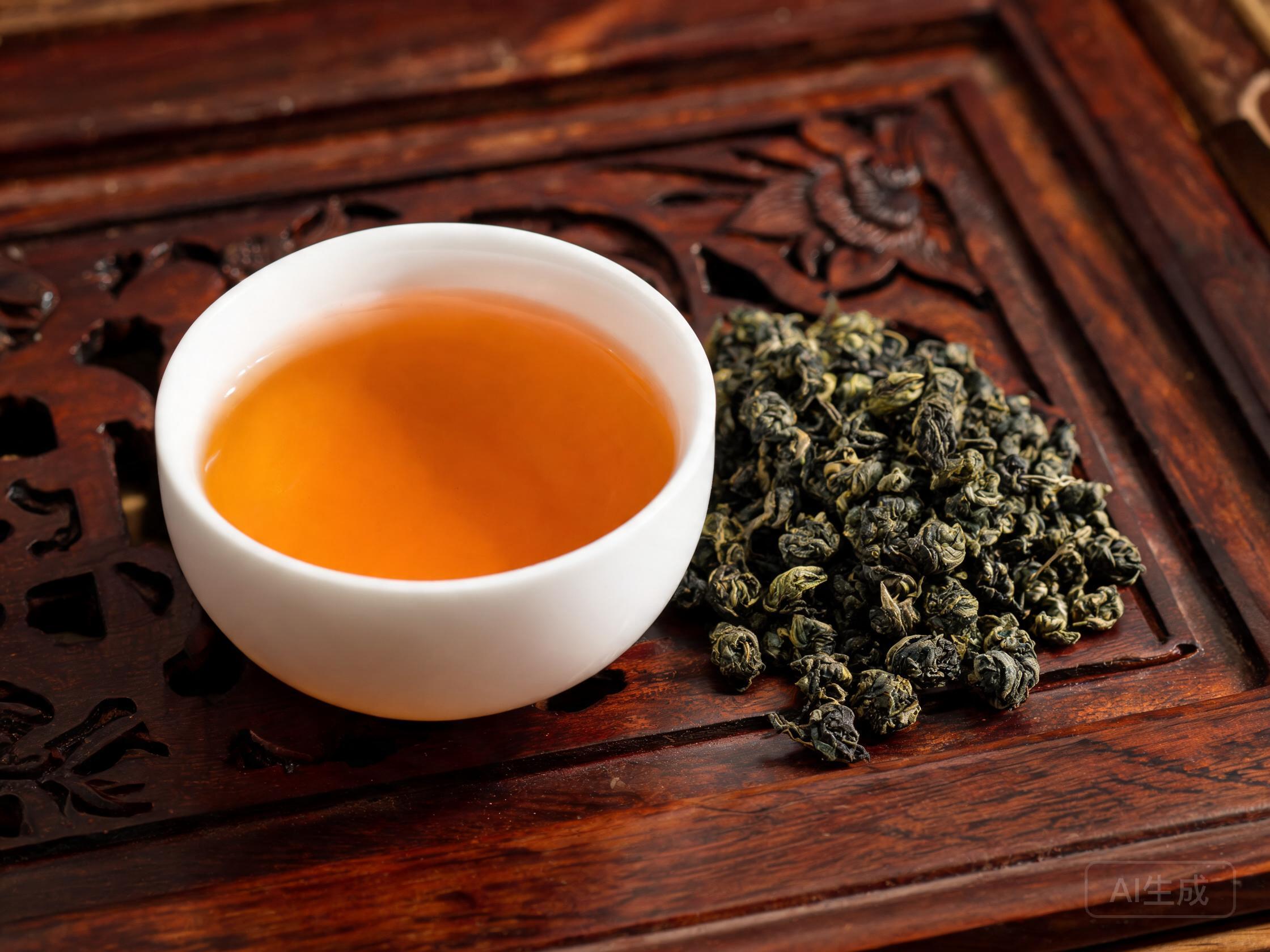
Light oolongs come as rolled pellets or twisted strips, green to dark green, with a matte surface.
Heavy oolongs are darker, sometimes almost black, and often carry a faint sheen from the roasting.
Smell for the roast first, then for what sits under it. A good roasted oolong smells of charcoal and dried fruit, and a poor one smells only of charcoal.
If there is nothing under the roast, the roast is doing the work that the leaf should be doing.
Roll a pellet between your fingers. It should be tight and hard, and it should open into a whole leaf after brewing rather than into fragments.
Check the spent leaf after the first brew. Whole, pliable leaves with a visible vein mean the tea was made from decent material.
Step 2: buy small first
Start with 25 grams. Oolong is brewed at 5 to 7 grams a session, so that is four or five pots, and enough to judge it properly.
Oolong keeps better than green but worse than people assume. A light oolong loses its top note within about 18 months.
Try the same tea roasted at two levels if the seller has it. That comparison teaches you more than any description.
Buy from a shop that brews it for you. Oolong changes across infusions, and one cup will not show you the whole tea.
Online, order two 25 gram samples rather than one 50 gram bag. Comparison is the whole point of a first purchase.
Once you know the tea, 100 to 150 grams is a sensible unit for a roasted oolong, and 50 grams for a light one.
Write the date on the bag when it arrives. After a year you will not remember, and it matters more for oolong than for most teas.
Step 3: check storage and source
Ask for the roast date rather than the packing date. Oolong is usually roasted once or twice after the harvest, and that date is the tea’s real age.
Light oolongs should be kept sealed and cool, and ideally cold. Heavy roasted oolongs are more forgiving and will hold for several years in a tin.
Ask which mountain or producing area the leaf came from, and whether the seller can name a season. Anxi, Wuyi and Phoenix are the three names worth knowing.
Wuyi rock tea is defined by its growing site, and the gap between a zheng yan and a ban yan tea is real and priced accordingly.
Tieguanyin is where the naming is loosest. Traditional roasted and modern green versions are sold under the same name and taste nothing alike.
A seller who knows which of the two they have will tell you before you ask.
Check for any musty note on the dry leaf. Oolong stored damp does not recover, and re-roasting never fully hides it.
Step 4: pay for the leaf, not the story
The two things worth paying for in oolong are the growing site and the roast. Everything else on the label is decoration.
A named cliff in Wuyi costs several times a generic Wuyi tea from the same valley. Whether that is worth it is a question only your palate answers.
Compare the same tea from two sellers at the same stated grade first. That tells you whether the grade means anything at that shop.
Do not pay extra for a competition certificate unless the seller can name the competition and the year. Those two details are the entire value.
Pay for whole leaf before you pay for rarity. A well made ordinary oolong beats a badly made famous one in every cup.
If a price rests on a story about an old tree, ask how old and who measured it. Usually nobody did.