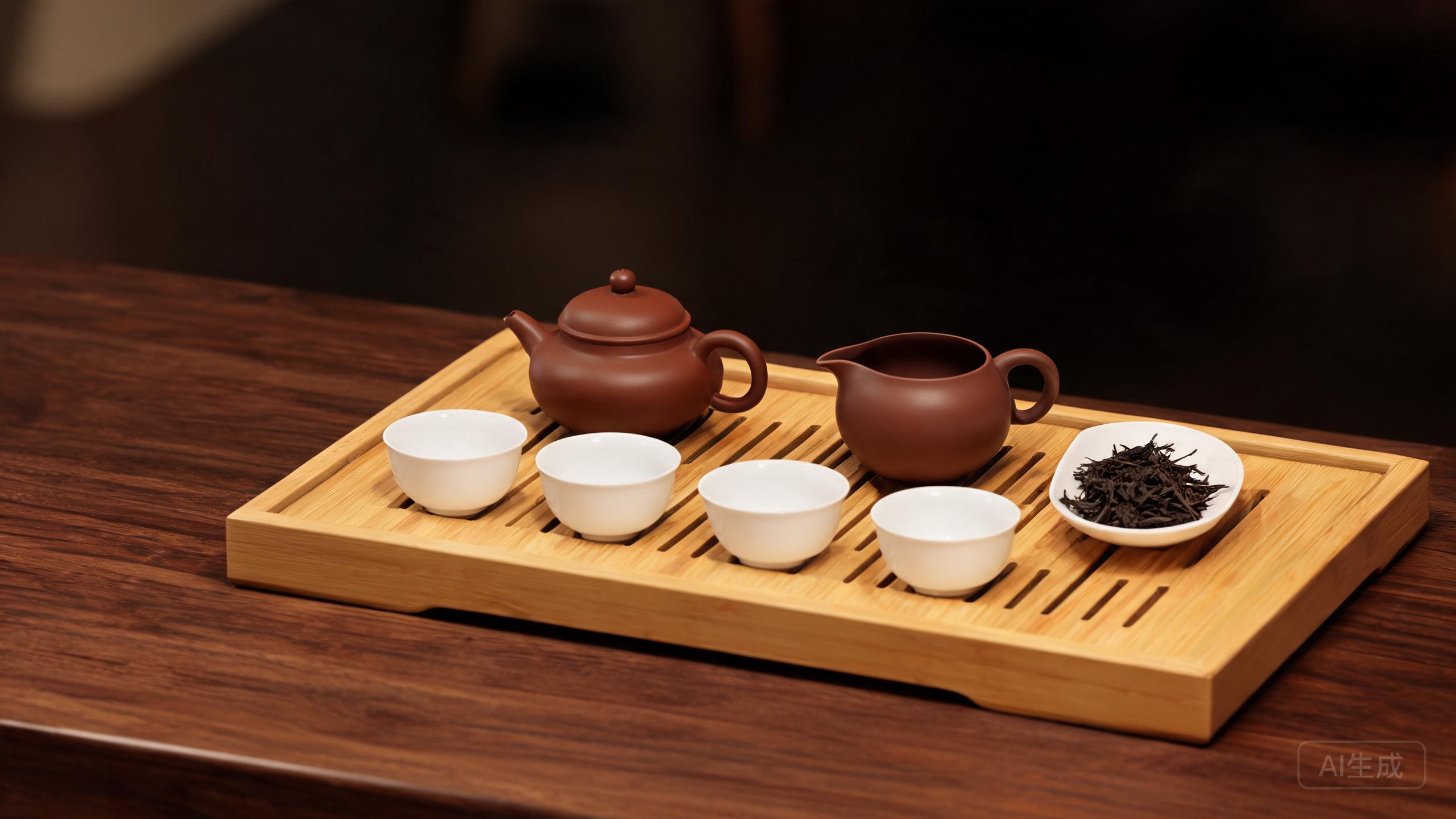
The ratio that matters
The ratio that matters depends on which half of this category you have, and the two want different things. Scented tea wants one gram to 50 millilitres. Compressed tea wants one gram to 20.
Scented tea, above all jasmine, is a light green or white base carrying a volatile floral aroma. Brew it like a green tea and it behaves like one. A heavy ratio just gives you more base leaf and no more scent.
Compressed tea is dense, aged, and often broken from a cake. Brew it like a dark tea, at a heavy ratio in a small vessel with short steeps, because that is effectively what it is.
The form tells you which you have. Loose leaf with dried petals in it is scented. A solid cake or brick is compressed. Nothing in this category is both, so look at the leaf before you measure it.
Too little leaf in scented tea gives a cup that smells of flowers and tastes of nothing, which is a confusing and disappointing result. Too much gives a coarse base with the aroma buried under it.
Too little leaf in compressed tea gives you coloured water, exactly as it would with a pu-erh. This is the most common fault and it is entirely fixable by weighing the leaf.
Time by the clock
Time by the clock also splits in two: two to three minutes for scented tea, and 20 to 30 seconds for compressed tea in a gaiwan.
Scented tea wants 85 degrees, not boiling. The aroma compounds from the flowers are volatile, and water that is too hot drives them off before the cup reaches you. What is left is the base tea and very little else.
Compressed tea wants a full boil, like dark tea. It is aged and compressed, and cooler water gives you nothing. The two halves of this category sit at opposite ends of the temperature range.
For scented tea, two or three infusions is realistic, and the second is usually weaker in aroma than the first. There is no way around that, because the scent is finite.
For compressed tea, eight to fifteen infusions is normal. Rinse it first, for five to ten seconds, to wake the leaf and wash off the dust from breaking the brick.
The signal differs too. For scented tea, smell the wet leaf, and when the floral note has gone the tea is finished. For compressed tea, watch the liquor colour, as you would with a pu-erh.
A simple starting recipe
Scented tea recipe: 3 grams in 150 millilitres at 85 degrees for two and a half minutes. Strain fully. A second infusion at three minutes is worth having; a third rarely is.
Compressed tea recipe: 6 grams in a 120 millilitre gaiwan at a full boil. Rinse ten seconds and discard, then steep 20 seconds, adding 15 seconds per infusion through ten or more steeps.
For jasmine pearls, the tightly rolled kind, give them a little more room and a little more time. They open slowly and the first steep is mostly about unfurling.
If a scented tea tastes thin, the water was probably too cool rather than the ratio too low. If it tastes flat with no aroma, the water was too hot.
If a compressed tea is harsh, cut the steep to 10 seconds. If it is thin, add leaf and check the water is genuinely boiling.
The one rule that covers both halves: identify which you have before you do anything else. Everything else follows from that, and getting it wrong wastes the tea either way.
If you own both, keep two sets of expectations rather than one. The same brand can sell a jasmine tea and a brick, and they share nothing but a category name.
And if you are brewing for other people, lead with the scented tea. It is the half that rewards no skill at all, and it is the better introduction.
Scented tea at 85 degrees with plenty of leaf, compressed tea at a full boil with short steeps. Learn those two and the category stops being confusing.
Everything else in this category is detail, and most of it you can work out with a scale and a little attention.