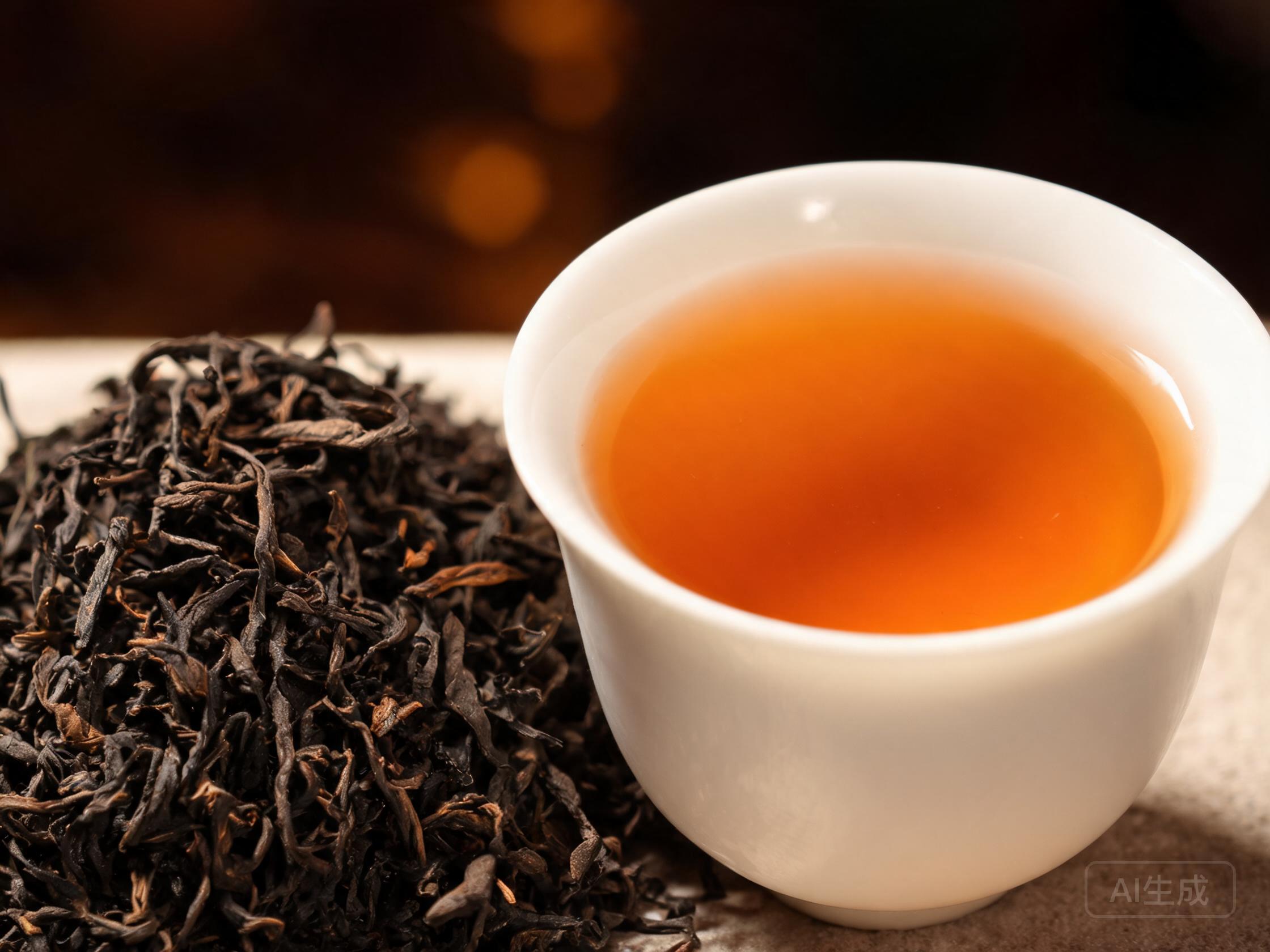
Its season
Winter is red tea’s season, and the reason is body rather than harvest.
Most Chinese red tea is picked in spring and early summer, like everything else.
Qi Men Hong Cha(祁门红茶)is cut in April and May in Anhui.
Yunnan red, made from large leaf assamica, runs from March into July.
So the tea reaches the market months before the weather it suits.
That gap is normal, and it is why red tea is stored rather than drunk fresh.
Unlike green tea, a red does not need to be new.
It will hold its character for 2 years sealed and dry, and much of it improves slightly.
Winter is where it earns its place, because the cup is heavy enough for cold weather.
A strong brew at 95 °C with milk is a cold morning drink in a way no green tea is.
Summer is the awkward season, and iced red tea is the usual workaround.
Brewed strong and poured over ice, it keeps its malt note where a delicate tea would not.
What you drink in December was therefore picked in April or May.
Why the season fits
Weight and temperature are the link, and red tea sits at the heavy end.
In cold weather that weight is exactly what the body seems to want.
In hot weather the same weight is the problem, since it reads as thick and tiring.
Aroma is the second link, and the category smells of malt, cocoa and dried fruit.
Those are cold weather smells, and the association is reinforced by how it is served.
Milk and sugar, which suit red tea better than any other category, are both warming additions.
The chemistry supports it too, since full oxidation leaves fewer of the sharp green notes.
A red tea has little astringency left to cut through heat.
That is why a green works in July and a red does not.
Chinese red tea is lighter than an Assam, and it sits slightly further into the year.
A light Qi Men(祁门)is drinkable in October, which a breakfast blend is not.
The category has an internal range, and it runs from autumn into early spring.
That is the whole seasonal argument, and it is a short one.
Off-season
Red tea in July is not a mistake, but it does need a different method.
Brew it weaker, around 3 g for a 300 ml pot rather than the usual 5.
Serve it over ice, and brew at double strength first so the ice does not dilute it.
Skip the milk, since warm milk in hot weather does nobody any favours.
A squeeze of citrus works better here than it does in any other season.
Cold brew works with red tea and takes about 8 hours in the fridge.
That produces a smooth, sweet cup with almost no astringency.
It is the closest thing to a summer red, and it is genuinely good.
Winter needs the opposite: 5 g, boiling water, and milk if you want it.
Serve it in a warmed cup, since this tea loses its appeal below 50 °C.
If a red tea feels heavy in summer, the dose is usually the reason.
Cut the leaf before you cut the tea.
Use a smaller pot in winter so the tea stays hot to the last cup.
Year-round note
Red tea covers the cold half of the year comfortably and the warm half with adjustments.
A light Chinese red covers September to November.
A malty Yunnan or an Assam covers December to February.
A breakfast blend with milk covers the same months and is the most familiar version.
Summer is covered by iced and cold brewed versions rather than by a different tea.
Lapsang and other smoked reds are winter teas, and they are divisive ones.
They are worth trying once in January and not in July.
Storage is easy, since oxidation has already done the work.
Sealed and dry, a red will hold 2 years without complaint.
It will not improve the way a white or a dark tea does.
Buy 200 g of one you like and use it through the cold months.
The season then decides the brew strength rather than the shopping.
Buy it once a year and the calendar stops being a decision.