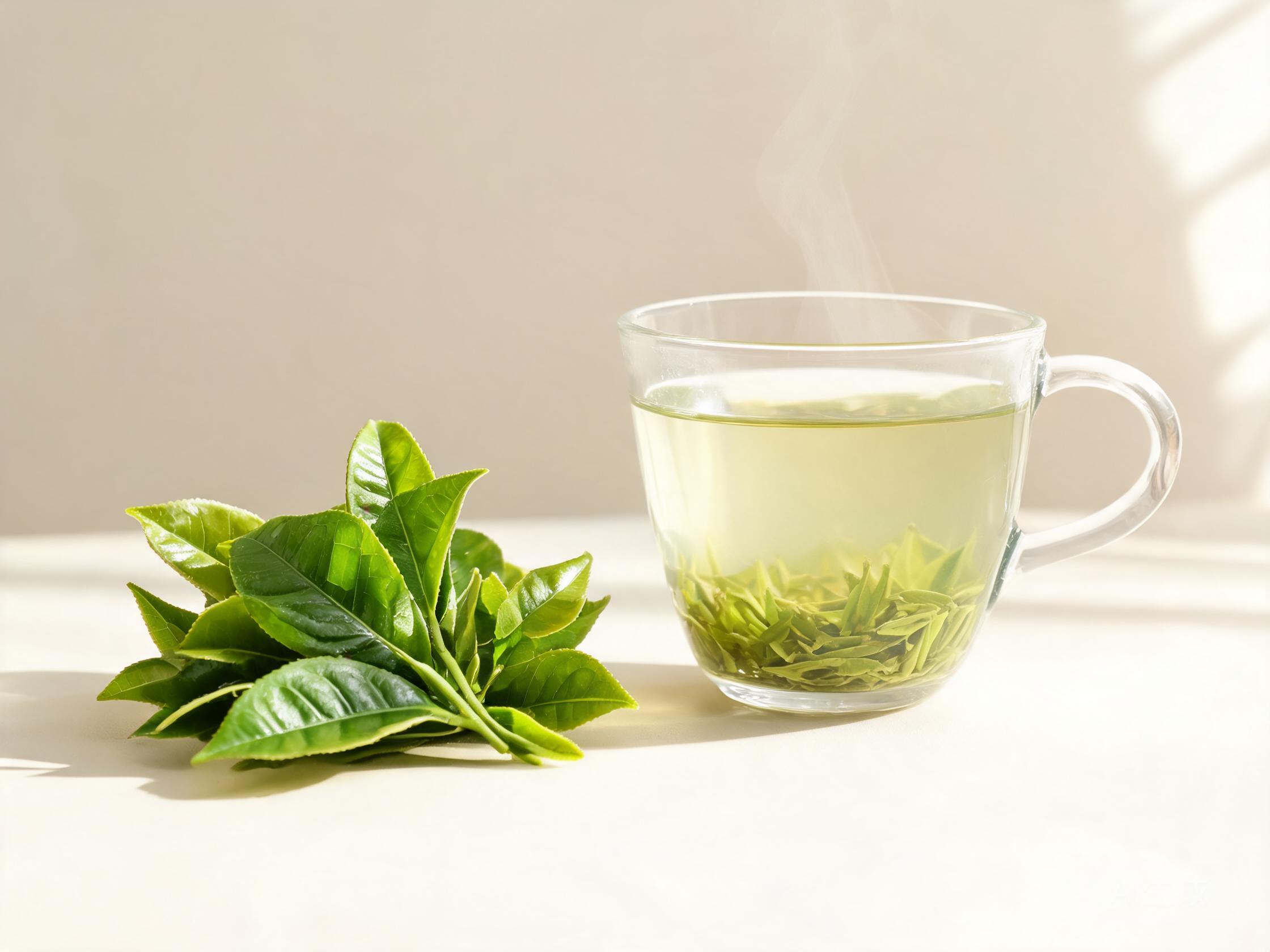
What impresses in Green tea
A named, well-stored tea beats a lavish box of anonymous leaf, and the people who know tea notice the difference immediately.
Recipients who do not know tea notice three things instead: the smell when they open it, the colour in the cup, and whether the box looks expensive.
You can satisfy both groups with one purchase, which is the whole trick of giving green tea.
Pay for a name they can look up. A garden, a county or a style gives the gift something to talk about, and it costs less than better packaging.
Freshness is what actually impresses, because it is what the cup shows. Tea from this spring tastes sweet and smells alive, and last year’s does not.
Buy 50 to 100 grams rather than 25. A tiny packet looks mean and runs out before they have formed a view.
Longjing and Biluochun are the two names that land with anyone who has heard of Chinese tea, and both are safe choices for a general gift.
Japanese sencha is the other safe option, and it has the advantage of being easy to brew, which matters more than most givers think.
Avoid the cheapest gift boxes. They are usually filled with the leaf nobody bought, and the recipient can tell.
Packaging that works
A sealed, opaque bag inside a box beats a decorative tin that leaks air, and it keeps the tea drinkable for months longer.
Tins look better and perform worse. Most of them are not airtight, and a tea given in one is already ageing when it arrives.
Whatever you choose, it should be labelled with the tea, the origin and the picking date. That label is part of the gift.
Include brewing instructions on a card. Most people who receive green tea brew it too hot and conclude that they do not like it.
Add a note about when to drink it. Green tea is not a tea to keep, and saying so gives the recipient permission to use it.
Protect it from light and strong smells on the way. Tea sent alongside soap, coffee or spice will taste of all three.
If you are posting it, use a rigid box. Green tea leaf is brittle, and a crushed Longjing arrives as dust.
Buy the packaging from a tea shop rather than a gift shop. Tea shops sell pouches that actually seal.
A plain sealed pouch with good tea in it is a better present than a lacquered box with poor tea, and it costs less.
At 3 grams a cup, 100 grams is about 33 cups, which is a month of daily drinking for one person.
Matching the occasion
For someone new to tea, choose something mild and forgiving: a Japanese sencha or a light Chinese green, brewed at 80 degrees.
For someone who already drinks tea, choose a named single origin and say where it came from. Provenance is the conversation.
For a colleague or an acquaintance, 50 grams in a simple box is right. Anything larger makes the gift feel like an obligation.
For a close friend who drinks tea daily, 100 grams of something good is more useful than a sampler of six.
For a host, give something they can serve: a tea that brews easily and looks right in a glass or in a pot.
For a formal occasion, choose a name with weight, and check that the packaging is not louder than the tea.
Samplers work well for the curious and badly for everyone else, because six small packets is a project rather than a present.
Match the tea to the season you are giving it in. Spring tea given in spring is timely, and the same tea given in December is a year old.
If you do not know what they drink, choose the safest style you can find and say honestly that you were guessing.
What to avoid
Do not give green tea that is more than a year old, whatever the packaging says. It looks fine and tastes of nothing.
Do not give a gift box from a supermarket. The leaf inside is usually old, and the origin is usually a province.
Avoid anything with a health claim on the box. It signals a seller who is marketing rather than selling tea.
Avoid novelty shapes, flavoured greens and anything with added fruit. They are bought for the joke and not for the cup.
Do not overspend on the container. A recipient who knows tea will value the leaf, and one who does not will not care.
Do not give a whole kilo. It is too much tea for anyone who does not already drink it daily, and it will go stale.
Avoid unlabelled leaf from a market stall with no date, however good it smells in the shop.
If you are giving to someone who keeps tea for years, tell them plainly that this one is for drinking now.
The one thing to get right is freshness. Everything else about a green tea gift is secondary to whether it was picked this spring.