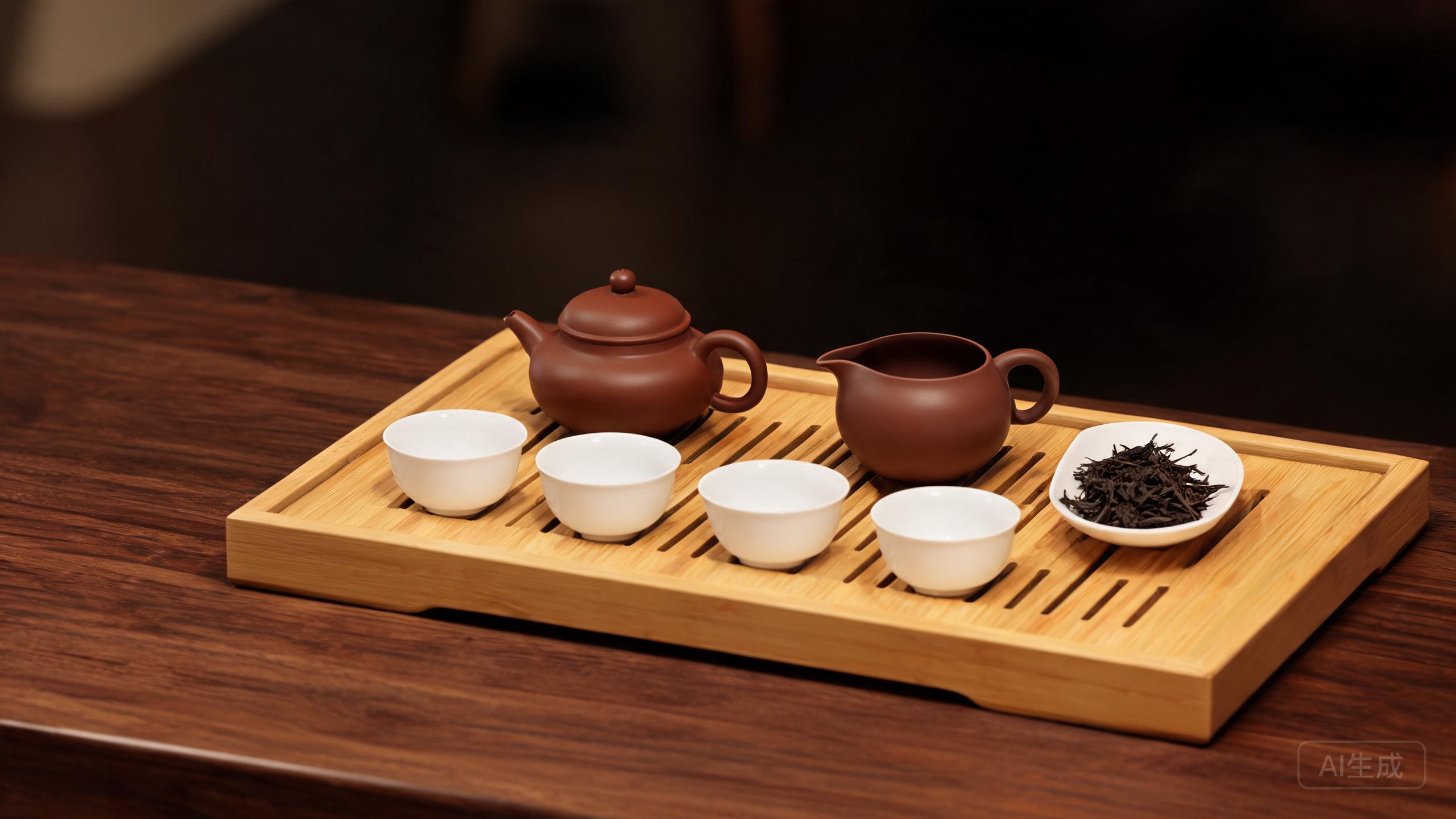
Three ways to brew Green tea
There are three practical ways to brew green tea, and they are not variations on a theme. They produce genuinely different drinks from the same leaf.
Gongfu uses a small vessel, a high leaf ratio and many short steeps. Western uses a normal teapot, less leaf and one long steep. Grandpa style puts a few leaves in a glass and tops it up all day.
None is more correct than the others. They suit different leaves, different amounts of attention and different mornings.
The important thing is that green tea punishes the wrong choice more than most categories, because it has the narrowest window of the three.
What follows is what each one actually does to the cup, and when it is worth the trouble.
One thing all three share: the water must not be at a rolling boil. That single rule matters more than which method you pick.
Gongfu: small pot, high leaf, short pours
Use 3 grams per 100 millilitres in a gaiwan, water at 80 degrees, and steep for 45 seconds. Add 10 seconds with each round and stop after six or seven.
The point of the method is not ceremony. It is that a high ratio with short steeps keeps the sweetness ahead of the bitterness, which a low ratio with a long steep cannot manage.
It suits the Chinese greens best: Longjing, Biluochun, Anji Bai Cha. Leaf that is whole and shaped rather than broken.
You get more from the leaf this way. A 5 gram dose that yields one Western cup will yield six or seven gongfu steeps.
The cost is attention. You cannot walk away from it, because 45 seconds is not long enough to do anything else.
Western: a normal teapot, longer steep
Use 5 grams per litre, water at 80 degrees, and steep for two minutes. Pour the whole pot out into a second vessel when the time is up.
This is the method most people actually use, and it works well enough for most Chinese greens. It is more forgiving than it is often made to sound.
Two rules make the difference. Do not use boiling water, and do not leave the leaf in the pot.
Broken leaf grades suit this method better than whole leaf, because they extract faster and more completely inside two minutes.
The result is one good cup rather than seven changing ones. That is a fair trade when you are working rather than sitting with the tea.
Grandpa: leaf in the cup
Put 2 grams of leaf in a 300 millilitre glass, add water at 80 degrees, and drink. Top it up when it gets low, and tip the leaf into the bin when you have finished.
It sounds as though it should be terrible, and it is the method many Chinese drinkers actually use for a working day.
It works because the ratio is very low. Two grams in 300 millilitres never concentrates enough to go bitter, even after hours.
The leaf needs to be whole and good. Broken grades turn harsh, and a poor green tastes thin rather than sweet.
Glass is the right vessel here, because the leaf stays in and you want to watch it. A mug with a basket is a different method wearing the same name.
Which to choose
If you have ten minutes and want to taste the tea, use gongfu. It is the only method that shows you what the leaf does across steeps.
If you want one cup and have other things to do, use the Western method. Two minutes, a timer, and the leaf out.
If you want tea all morning with no further decisions, use grandpa style. It is the lowest effort of the three and it does not go wrong.
Match the method to the leaf as well. Whole, shaped greens reward gongfu, and broken grades suit a pot.
The common thread is temperature and removal. Whichever method you pick, keep the water under 85 degrees and get the leaf out eventually.
A variable temperature kettle is the one purchase that improves all three methods at once. Set it to 80 and half the work is done.