Why ware changes the cup
Green tea is unoxidised, which makes it the category most sensitive to what it is brewed in. With no oxidation layer to slow things down, the leaf gives up its compounds fast and keeps giving them up for as long as the water stays hot.
Ware matters here mainly through heat retention. A vessel that holds heat keeps the water inside the extraction range for longer, and with green tea that extra time goes into the bitter catechins rather than the sweet amino acids you wanted.
The second thing ware controls is how fast the water cools. Green tea wants 75 to 85 degrees, and a thin walled cup sheds heat quickly, which quietly widens your margin for error on every pour.
The third is whether you can see the leaf. That sounds cosmetic until you brew a needle shaped green, where watching the leaf sink and open is the clearest readiness signal you have.
A useful way to see it is to brew the same leaf twice. Three grams at 80 degrees in a thin glass gives sweetness and a clean finish. The same dose in a thick mug gives a duller, more vegetal cup, and the difference is entirely the vessel.
Best ware for Green tea
A glass tumbler is the most practical everyday choice. Three grams in 300 millilitres at 80 degrees, no lid, drink it down and refill. Glass cools fast and you can watch the colour develop.
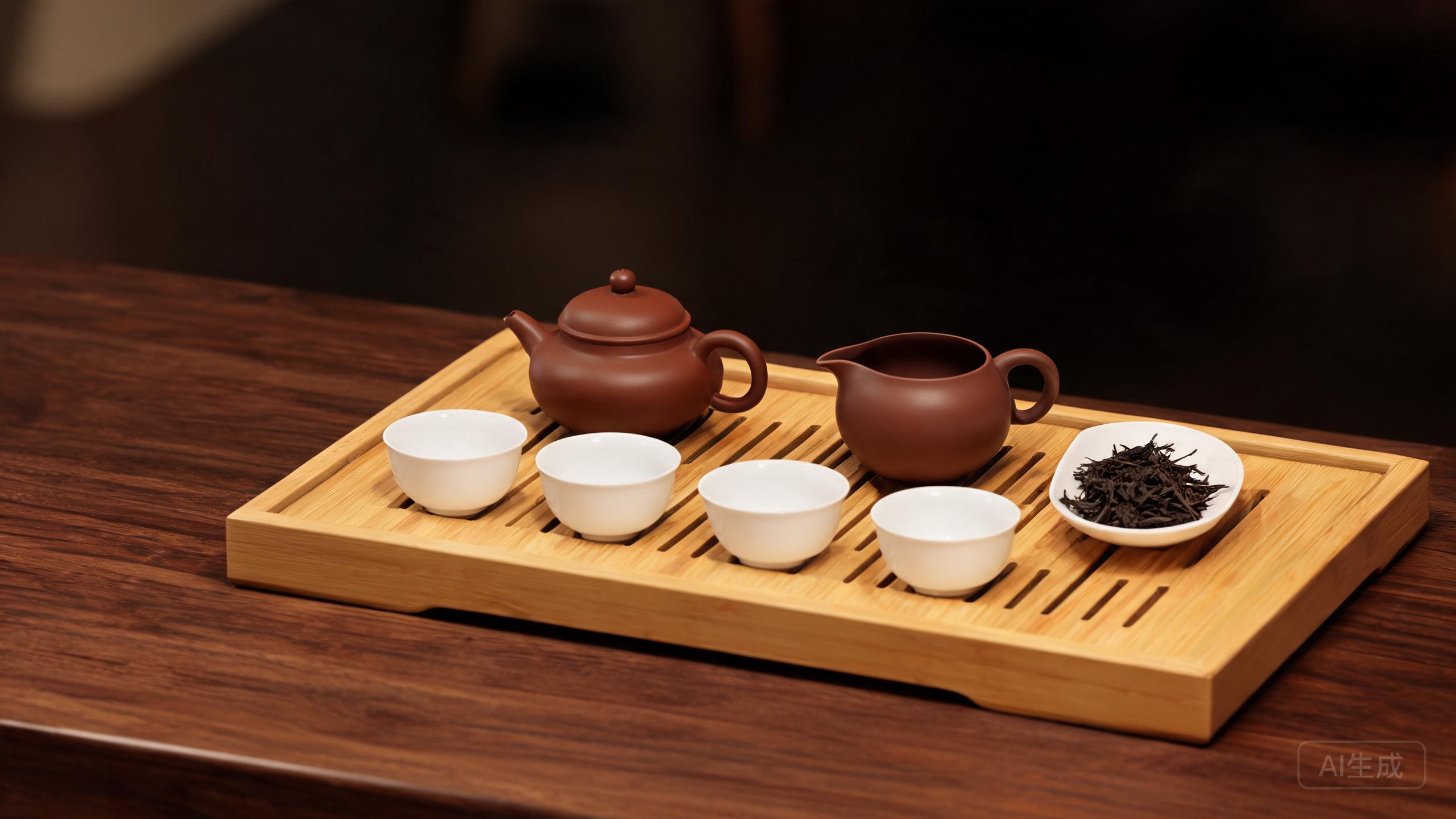
A thin walled porcelain gaiwan of 100 to 150 millilitres is the better tool when you want control. Use 3 grams per 100 millilitres, pour at 80 degrees and decant at 60 seconds.
Glass teapots work for the same reason tumblers do, and they suit the Japanese styles particularly well. A 400 millilitre glass pot with 6 grams at 70 degrees handles sencha comfortably.
Porcelain with a white glaze beats a coloured one, for the simple reason that you can judge the liquor. Green tea sits between pale yellow and jade, and that is hard to read in a dark cup.
If you buy one thing, buy a glass tumbler with a removable basket. It covers most of the real use cases for green tea and it costs very little.
Roasted greens such as hojicha are the exception to all of this. They tolerate a thicker wall and hotter water, because the roasting step has already removed the raw edge you are trying to protect.
What to avoid
Avoid thick walled and insulated vessels. A thermos holds water above 80 degrees for hours, and green tea left in one for an hour tastes like stewed spinach. If you must use one, finish it within 20 minutes.
Avoid leaving the leaf in the cup. A mug infuser sitting in the water keeps extracting, and by the second refill the cup is harsh. Lift the basket out or use two vessels.
Avoid unglazed clay for young green tea. Yixing absorbs aroma, and the grassy top note of a spring picking disappears into the clay within a handful of sessions.
Avoid small baskets. Whole leaf green unfurls to several times its dry size, and a cramped basket gives you uneven extraction and broken leaf.
Avoid vessels you cannot reach inside. Green tea leaves a light film on the wall, and a narrow necked pot you cannot scrub properly will start to taste stale inside a month.
The one rule
Choose the thinnest walled vessel you own. That one choice does more for green tea than any other piece of equipment, because it solves the temperature problem without you having to think about it.
When the tea tastes bitter, check the ware before you blame the leaf. Most of the time the vessel held too much heat or the leaf sat in the water too long.
When it tastes thin, the opposite is true. Your water cooled below 70 degrees before it could extract, which happens with a cold mug or a small dose in a large pot.
That is the whole logic. Green tea does not need expensive ware, it needs ware that loses heat quickly and lets you lift the leaf out.
One practical test: pour 100 millilitres of 90 degree water into a cold vessel and check it after a minute. Thin porcelain will drop close to 78 degrees, a thick mug will sit above 85. That gap is the whole argument.