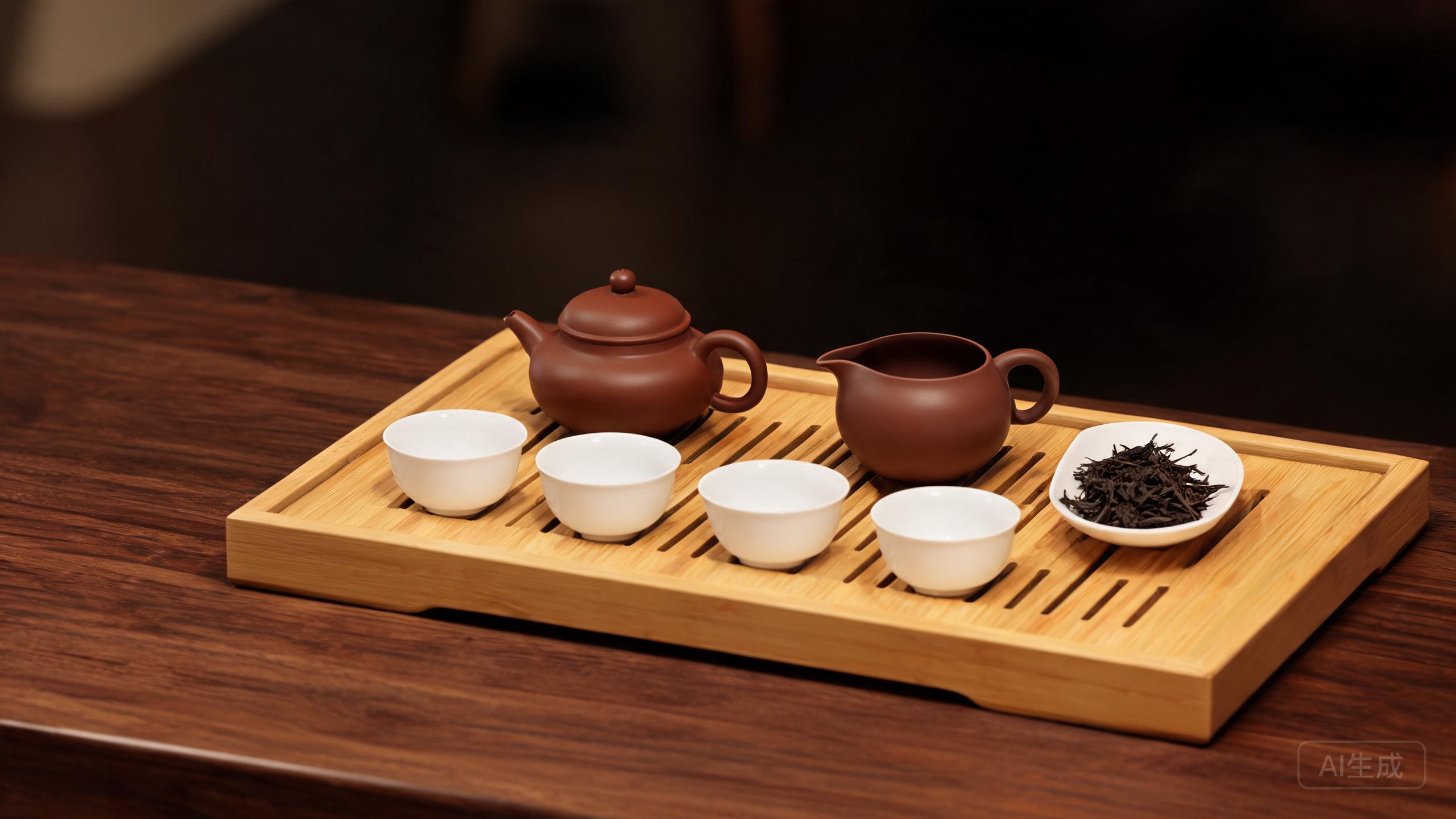
Brewing Oolong tea without a kitchen
Oolong is the best category for brewing without a kitchen, and it is not close. It wants near-boiling water, which is exactly what every office dispenser and hotel kettle provides.
The other reason is that oolong is brewed in short, repeated steeps. That suits a desk perfectly, because you top up the mug rather than making a fresh cup.
A few grams in a basket, boiling water, 30 seconds, and pour. Add 15 seconds each time you top up, and one dose of leaf will last most of a morning.
Roasted oolongs are more forgiving still. They tolerate a long steep and a thermos, and they taste much the same whether you are attentive or not.
Light, floral oolongs need a little more care, mainly in the timing. But they still want boiling water, so the temperature problem that plagues green tea simply does not exist here.
If you keep one tea at work, make it an oolong. It is the category that was effectively designed for a mug and a hot water tap.
The office setup
The office setup is a mug or a small pot with a basket, a thermos if you want to avoid trips to the dispenser, and a sealed tin of leaf.
A gaiwan works at a desk too, and it is the better tool if you have the space. A 100 millilitre gaiwan with 5 grams of leaf gives six or more steeps and takes up less room than a mug.
A thermos of boiling water changes the whole experience. One fill in the morning means six or eight steeps without leaving your desk, and the water stays hot enough for oolong for hours.
Pre-weigh the leaf into 5 gram portions if you are using a gaiwan, or 3 gram portions for a mug. Oolong is rolled and dense, so volume measuring is especially unreliable.
Keep the tin sealed. Oolong is aromatic, and an open tin in a shared kitchen will both lose its own scent and pick up everyone else’s.
And use a basket with room. Rolled oolong expands considerably as it opens, and a cramped infuser gives you a weak first steep and a bitter second.
On the road
Travelling with oolong is easy, because it needs nothing but hot water. A flask with a strainer, a small tin of leaf, and you are set for a day.
The thermos method works particularly well on trains and in hotels. Put 4 grams in a 500 millilitre flask, fill with boiling water, and sip over an hour. Top it up when it runs low.
Because oolong tolerates a long steep better than green tea, a flask brew is genuinely good rather than merely acceptable. A roasted oolong in a thermos is one of the better travel drinks there is.
For a lighter oolong, use less leaf and a shorter window, or decant after 20 minutes rather than leaving it all day.
Cold brewing works, though it is less interesting for oolong than for green or white. The aromatics that make the category worth drinking need heat to come out.
Pack it in a tin. Rolled oolong is fairly robust, but the ball-rolled styles shatter, and dust makes the whole flask bitter.
What to skip
Skip brewing oolong with water that has cooled too much. It needs 95 degrees or above, and a dispenser that has been sitting at 80 will give you a flat, closed cup.
Skip the tiny infusers. Rolled oolong triples in volume as it opens, and a small basket strangles it.
Skip using too little leaf, which is the single most common mistake with oolong anywhere, not just at work. Five grams in a mug is not excessive, it is the recipe.
Skip drinking a light oolong from a thermos all day. Roasted oolongs hold up; delicate ones go flat and slightly stewed after an hour.
And skip the idea that you need to brew it Western style. A mug, a basket, and repeated short steeps is closer to how the tea was meant to be drunk, and it tastes better.
The only real kit worth having is a thermos. Everything else is optional.