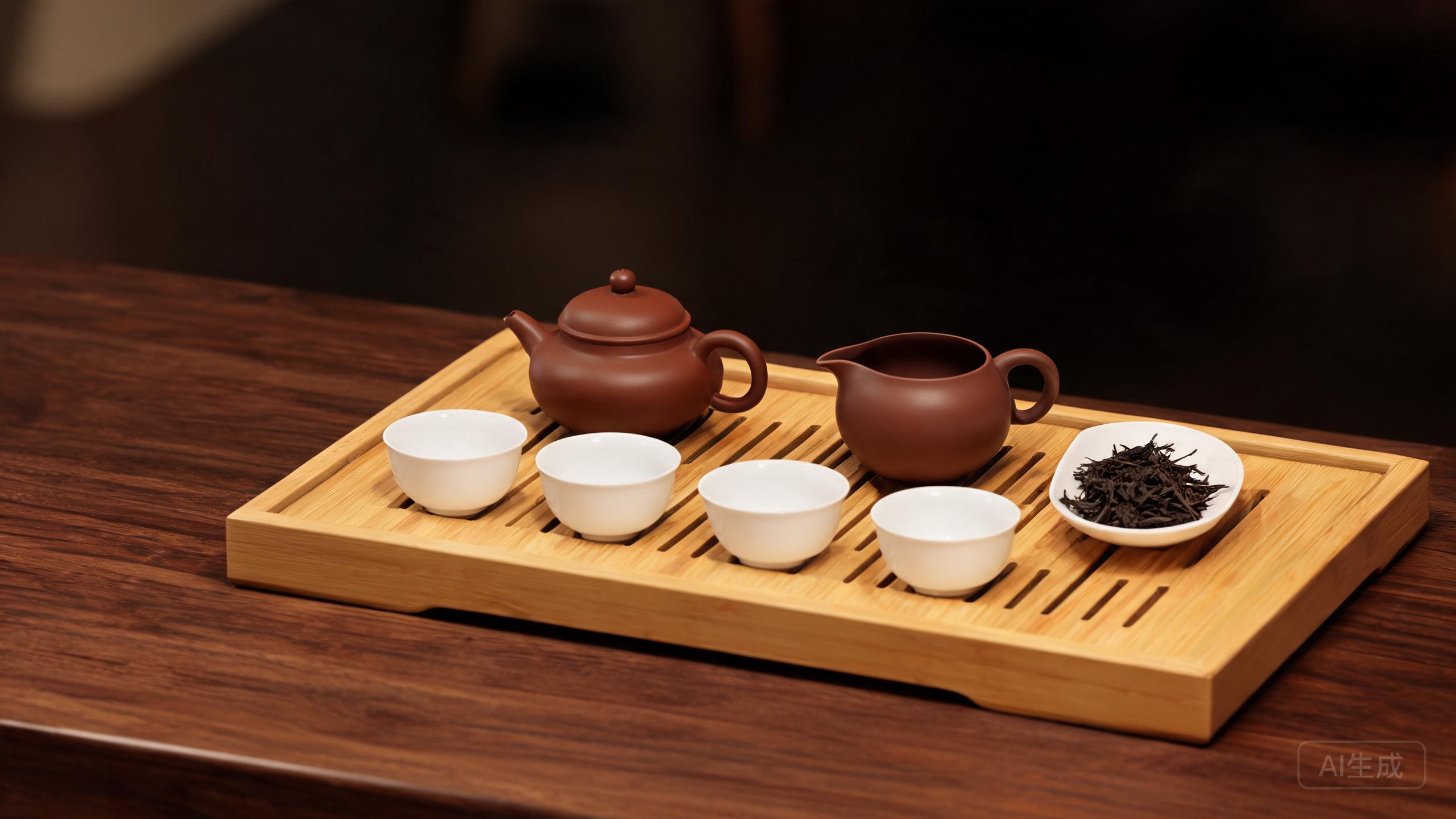
Brewing Green tea without a kitchen
Green tea is the hardest category to brew well without a kitchen, and the reason is temperature. It wants 75 to 85 degrees, and most workplaces offer one option: a boiling water dispenser or a kettle.
That is not a reason to give up. It is a reason to plan around the one variable you cannot control, which is what the rest of this is about.
The simplest fix is to bring the temperature down before the water meets the leaf. Pour the boiling water into a cold mug first, wait two minutes, and then brew. That lands close to 80 degrees.
The second fix is a thermos. Fill it with boiling water in the morning and it will still be too hot at eleven, so the mug method is usually more practical unless you have a way to measure.
The third fix is to choose a tea that tolerates the heat. A roasted green tea, a bancha, or a hojicha will survive boiling water far better than a delicate steamed green, and they still taste like green tea.
What you should not do is brew a delicate green at a full boil and conclude that office tea is hopeless. That is the water, not the setting.
The office setup
A workable office setup is smaller than it sounds. A mug with a lid, a fine mesh infuser basket that sits in it, a small scale or a fixed spoon, and a bag of leaf kept in a sealed tin.
The infuser basket matters more than the mug. A basket that lets the leaf float free and be lifted out entirely is worth more than any other piece of kit, because leaving leaf in the cup is what ruins the second half of a mug.
Pre-weigh the leaf at home if you can. Little sealed bags of 3 grams, made up on a Sunday, turn the office brew into a two-step job and remove the temptation to guess.
Keep the tin away from the coffee machine and away from anyone’s lunch. Green tea picks up smells fast, and an open plan office is full of them.
If you have a desk you can leave things on, a small thermos of hot water plus a cold mug gives you control over temperature without a kettle of your own.
And if your office only has a boiling dispenser, brew in the mug rather than in a cup. More water means slower cooling, which buys you a little more room.
On the road
On the road, green tea gets easier rather than harder, because you are not tied to a dispenser. A 350 millilitre insulated flask with a built-in strainer is the whole kit.
The trick is cold brewing, which sidesteps temperature entirely. Put 3 grams of leaf in 500 millilitres of cold water, leave it in the fridge or a cool bag for four to six hours, and strain.
Cold-brewed green tea is sweeter and less bitter than hot-brewed, because the catechins that read as astringency extract much more slowly in cold water. It is not a compromise, it is a different and often better drink.
For hot tea in transit, pre-heat the flask, add the leaf, fill with water off the boil, and give it two minutes before pouring. Strain at the two minute mark rather than drinking from the flask.
Leaf travels better than bags for this, because you can adjust the dose. Portioned 3 gram packets weigh nothing and take up no room in a bag.
One thing worth packing: a small tin rather than a paper envelope. Leaf in a soft bag gets crushed in transit, and broken green tea brews bitter.
What to skip
Skip the office kettle if it is a shared one that people use for coffee and instant soup. Green tea will taste of both, and no amount of rinsing the mug helps.
Skip leaving the leaf in the cup while you work. Two minutes of extra steeping turns a green tea harsh, and the last third of the mug is where people decide they dislike the category.
Skip brewing at a full boil out of convenience. If you genuinely cannot control the temperature, switch to a roasted green tea rather than brewing a delicate one badly.
Skip tea bags from the office kitchen. They are usually broken-grade leaf of indeterminate age, and they will not tell you anything useful about green tea.
And skip the idea that you need special equipment. A mug, a basket, a lid, and a little patience will get you a better cup than most dedicated travel kits.
The one thing genuinely worth buying is a pocket thermometer, which costs very little and ends the guessing permanently.