A setup that actually works
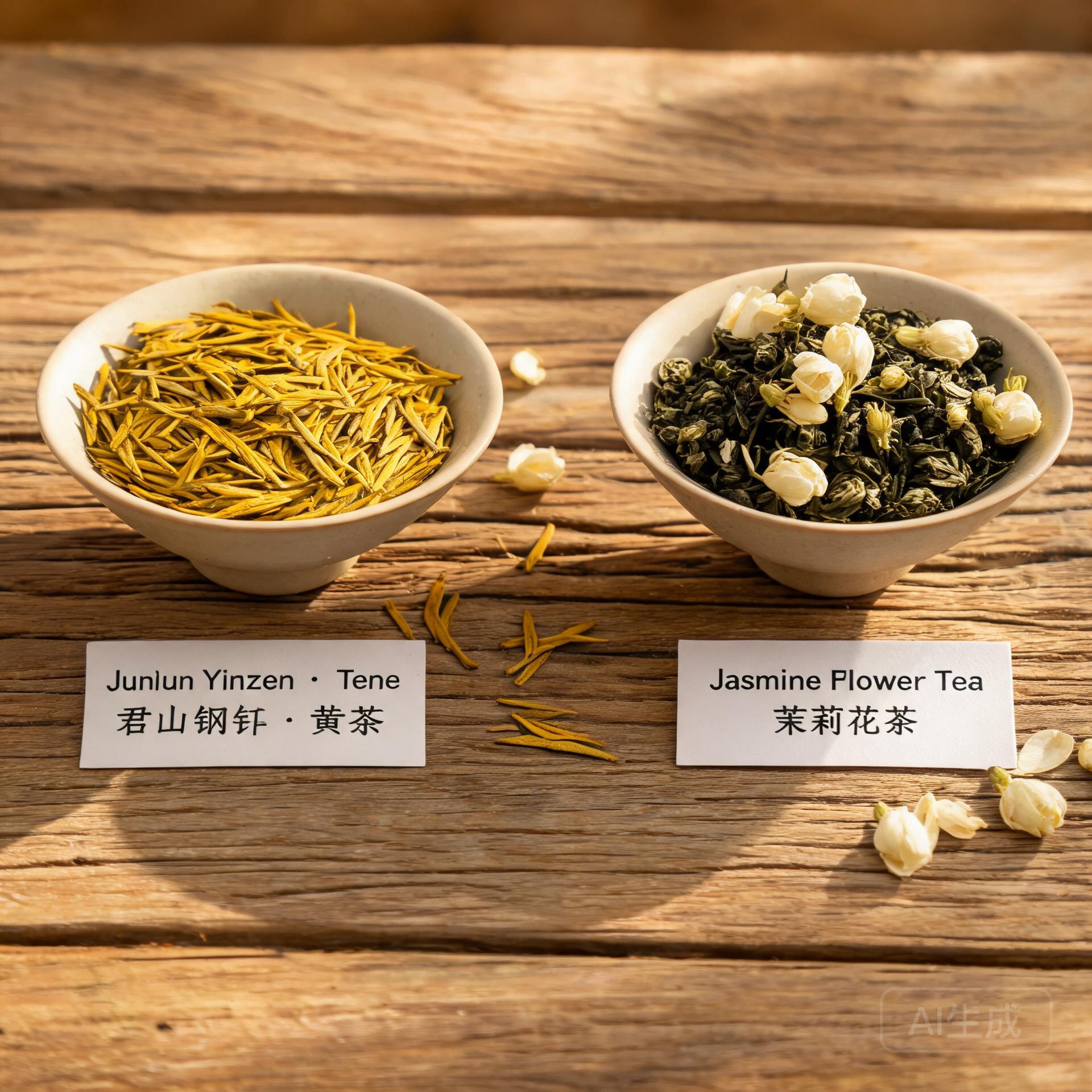
The setup that works for yellow tea is a small gasket-sealed tin, kept in the fridge, holding 50 to 100 grams. Yellow tea is expensive, delicate, and produced in small amounts, so the system is built around protecting a small quantity well.
Buy small. This is the single most useful piece of advice for the category. A 100 gram lot that you drink over three months will beat a 250 gram lot that sits around, every time.
If you refrigerate, put the tin inside a sealed bag as well. A fridge is a damp environment, and the bag is what stops the tea finding that moisture.
If you would rather not refrigerate, use the coolest cupboard you have and accept a shorter window. Either works. What does not work is a warm kitchen cupboard.
Where to put it
The best place is the fridge, in the main compartment rather than the door, inside a sealed bag, away from anything with a smell. Onions and cheese are the usual hazards.
The second best is a cool interior cupboard at floor level, in a room you do not cook in. A bedroom wardrobe is a genuinely good option and costs nothing.
Avoid the kitchen. Heat, steam, and cooking smells will all damage yellow tea faster than any other category, with green tea as the only close competitor.
Avoid windowsills, shelves above radiators, and anywhere that gets direct sun. Yellow tea is delicate enough that a few weeks in the wrong spot is enough to flatten it.
Mistakes to skip
The most common mistake is buying in bulk because the price per gram looked good. Yellow tea does not keep long enough for that to work, and a large lot will decline before you finish it.
The second is a decorative tin with a loose lid. Yellow tea needs a real seal, because it is lightly oxidized and has a lot of surface area for its weight.
The third is taking the tin in and out of the fridge repeatedly. If you refrigerate, take out a week’s worth at a time and let it come up to room temperature before opening.
And do not store yellow tea next to anything aromatic. Its own aroma is faint, which means it has very little to compete with whatever else is in the cupboard.
Check in often
Check yellow tea every month or two. It is the category where things go wrong fastest, and a quick smell is enough.
Clean and faintly sweet is right. Damp, flat, or sour means it is going, and soft leaf means the seal has failed.
If you catch a problem early, move the tea somewhere cooler and drier and check it again in a fortnight. Yellow tea does not recover, but you can stop the decline.
One check worth doing before anything else: confirm the tea is actually yellow tea. If it tastes grassy and sharp rather than soft and sweet, you may have been sold a green tea, and no storage will change that.
Buy from a seller who will tell you when it was made and where it came from. Yellow tea is produced in small quantities from a handful of growing areas, and a vendor who cannot answer those two questions probably cannot vouch for the tea either.
Given the price, this matters more here than anywhere else. A hundred grams of yellow tea costs what a kilo of decent red tea costs, and protecting it properly is the difference between a good purchase and a wasted one.
Label and rotate
Label the tin with the purchase date and, if you know it, the production date. Yellow tea is usually sold with a harvest year, and that is worth writing down.
Rotate strictly: drink the oldest first, and plan to finish everything within twelve to eighteen months. Anything older than that is an experiment rather than a plan.
Keep notes if you like, but the date alone does most of the work. A tin with a date on it gets drunk on time. A tin without one gets found two years later.
Buy less, store it well, and drink it soon. That is the whole strategy for yellow tea, and it beats any container you can buy.