Temperature
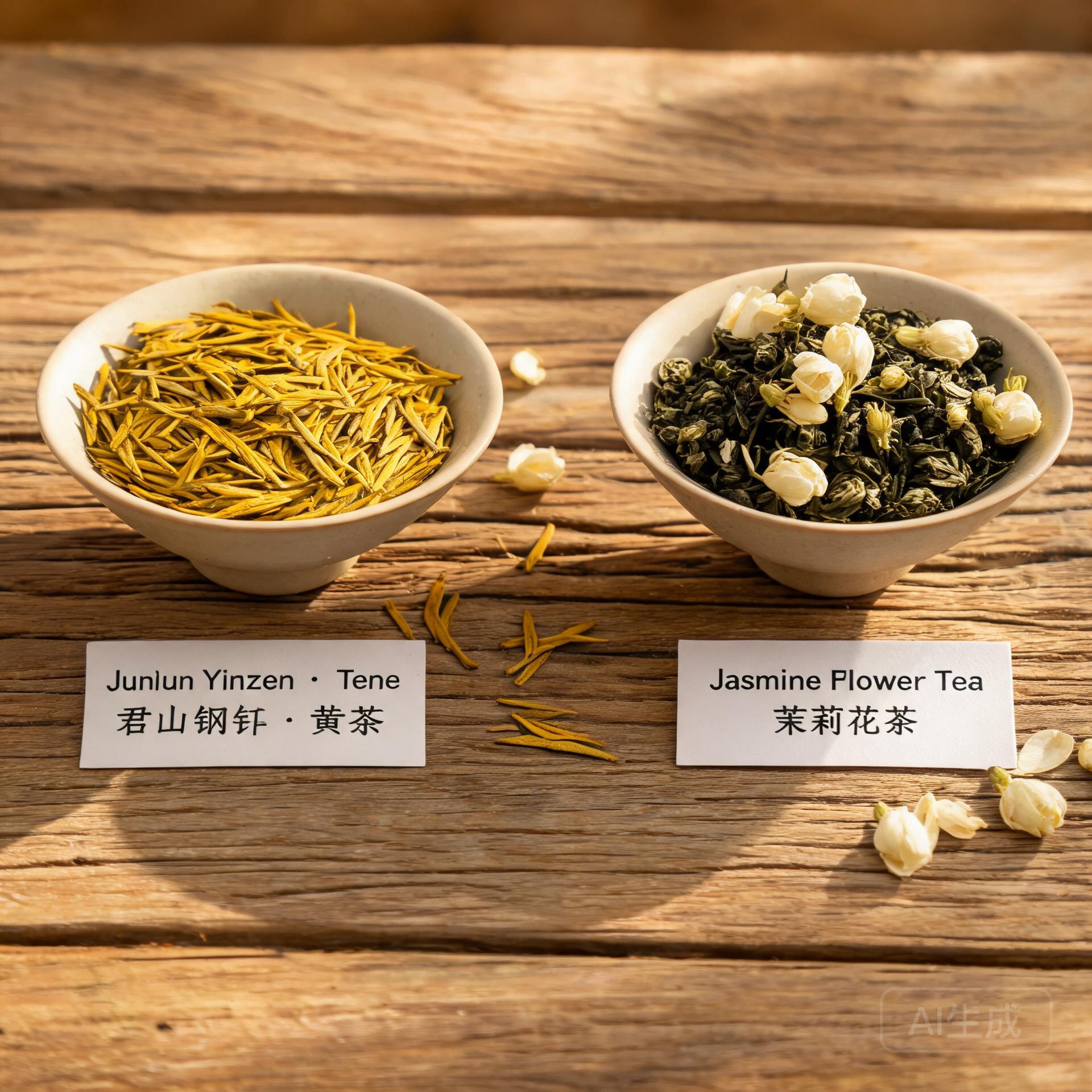
Yellow tea wants cool. Treat it as you would a fresh green tea, because in storage terms that is what it is, and the same rules apply: cold is good, warmth is the enemy, and stability beats any single number.
Refrigeration between 0 and 5 degrees is genuinely useful if you are not going to drink the tea quickly. Yellow tea is delicate and expensive, and a fridge buys you several extra months of the sweet, corn-like character you paid for.
If you would rather not refrigerate, use the coolest interior cupboard in the house. What you must avoid is a spot near the oven, the kettle, or a sunny window, because all three will flatten the tea in a matter of weeks.
Yellow tea has less margin for error than any other category here. It is delicate like a green tea, expensive enough that mistakes hurt, and produced in quantities small enough that replacing a ruined lot may mean waiting a year.
Humidity
Keep it dry, below about 50 percent relative humidity. Yellow tea does not need humidity for anything, because it is not supposed to transform.
The failure mode above roughly 60 percent is mould, and yellow tea is slightly more vulnerable than green because of how it is made. The men huang step that defines it is a damp, warm sweating of the leaf, and if that went badly at the factory the tea carries the problem with it.
Smell the dry leaf when you first open a purchase. Clean and faintly sweet is right. Anything damp, sour, or cellar-like means the tea arrived compromised, and no storage on your side will improve it.
Light and air
Keep it in the dark and in a genuinely airtight tin. Yellow tea is more lightly oxidized than a red tea and more delicate than a green, and it has a lot of surface area for its weight.
Light bleaches the leaf and thins the aroma. Air carries moisture in and scent out, and it also carries kitchen odours straight into the leaf, which is a particular problem because the aroma you are protecting is faint to begin with.
Use a tin with a gasket lid rather than a caddy with a loose top. If you keep the tin in the fridge, put it inside a sealed bag as well, because a refrigerator is a damp environment and yellow tea will find the water.
The target environment
The target is cold or cool, dark, dry, sealed, and left alone. A gasket tin inside a sealed bag in the fridge, or the same tin in the coolest cupboard if you drink it fast.
Buy in small quantities. Yellow tea is produced in small amounts and sold at a premium, and buying 250 grams of it to store is usually a mistake. Buy 50 or 100 grams, drink it over a few months, and buy again next season.
If you do keep a sealed portion aside, let it come back to room temperature before opening. That one rule prevents more ruined yellow tea than everything else on this page.
Adjust through the year
Seasons matter a great deal for yellow tea, because it is the most temperature-sensitive category after green. A summer that pushes the storage spot above 25 degrees for weeks will cost you the top note permanently.
Recheck in late spring and early autumn. Move the tea if the room has warmed, and consider moving it into the fridge for the summer months if you have space. It is the simplest way to protect a delicate tea through a heatwave.
Watch humidity too, in both directions. A damp autumn can push a cupboard past 60 percent, and a heated winter can drop it below 30. A hygrometer costs very little and tells you which problem you actually have.
Because yellow tea is expensive and bought in small amounts, one habit is worth more than the rest of this advice. Buy it from someone who will tell you when it was made, and drink it in that year. Storage cannot rescue a tea that was already old when you bought it.
If the dry leaf has gone from crisp to pliable, or the smell from sweet to flat, the environment has failed. Move what is left somewhere cooler and drier straight away, and adjust your expectations downwards.