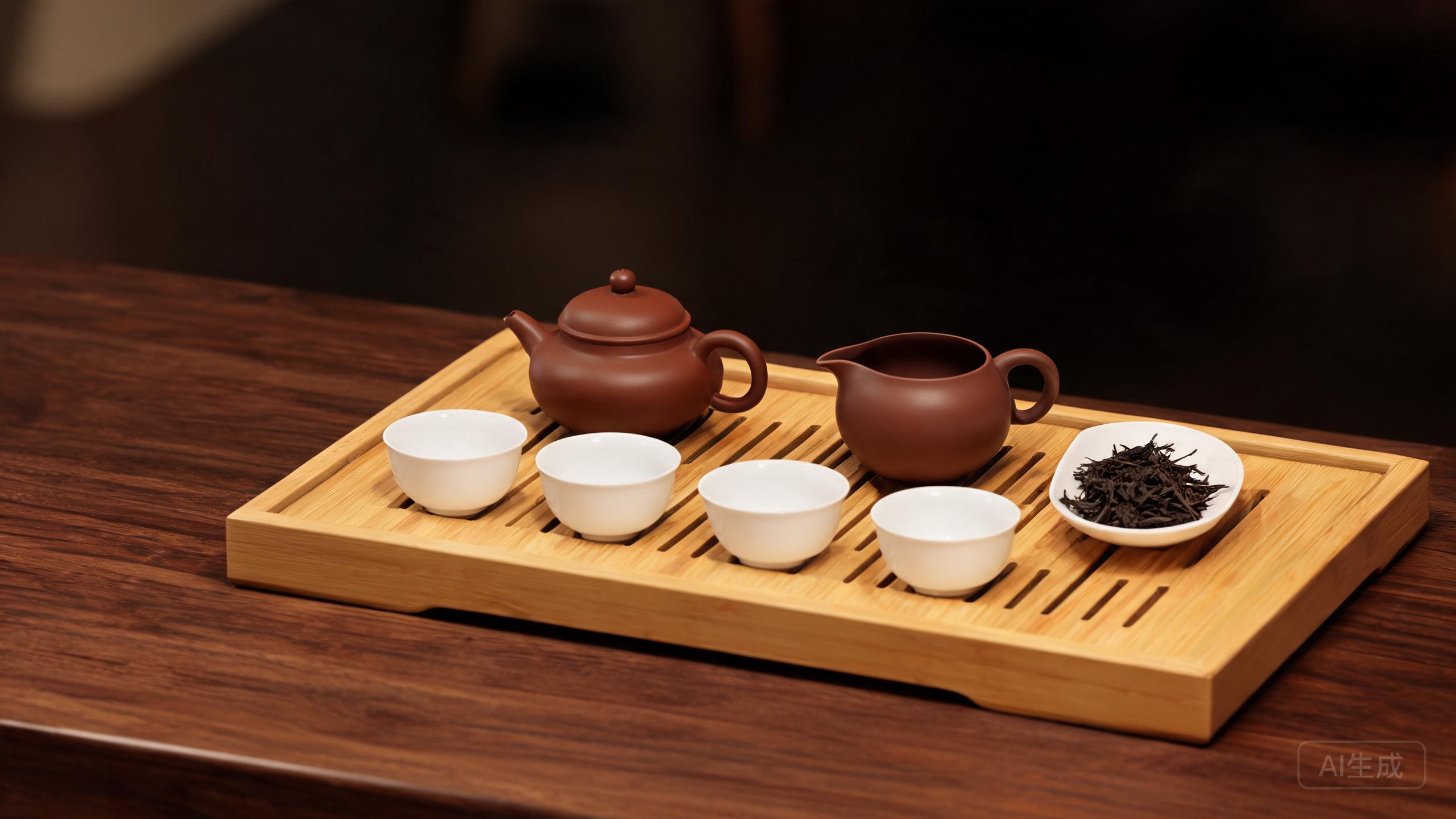
Why Yellow tea goes wrong
Yellow tea is the rarest of the seven categories and the least understood, which is why it is so often brewed badly. Few people get a second chance to correct a first impression.
The defining step is men huang, a damp piling stage after firing that lets the leaf yellow slightly. It removes the raw grassy edge a green tea would keep and replaces it with a mellow, corn silk sweetness.
That sweetness is the entire point, and it is fragile. It sits in a band about five degrees wide, roughly 80 to 85.
Above the band the tea flattens into hay. Below it the sweetness never develops and you are left with something close to a mediocre green.
Both failures look identical on the label and taste completely different in the cup, which is why yellow tea has a reputation for being inconsistent.
It is also the category most often mislabelled. Anything sold very cheaply as yellow tea is usually a light green, and it will not behave as described here.
Mistake 1: water hot enough to flatten its mellow, corn-silk note
Boiling water is the most common mistake and the easiest to make, because nearly every other hot tea you brew wants it.
At 100 degrees the corn silk character collapses within the first minute, and what remains tastes like stewed hay.
Bring the water to 82 degrees instead. Boil it and let it stand for five minutes, or pour it between two cold vessels once.
Use 3 grams per 120 millilitres, which is a smaller ratio than most people guess.
The leaf tells you when it is right. A properly brewed yellow smells faintly of chestnut and sweet corn, and if it smells only of hay the water was too hot.
This is also the reason to avoid a thermos. No version of yellow tea benefits from sustained heat.
Two cold vessels is a reliable way to hit 82 degrees from a boil. Pour from the kettle into a cold mug, then into a cold cup, and brew immediately.
Pre-warm the gaiwan with the rinsing water and discard it. A cold vessel steals about 5 degrees, which is the whole width of the band you are aiming for.
Mistake 2: over-steeping into dullness
The second mistake is subtler. Yellow tea does not turn harsh when you over-steep it, it turns dull, and dullness is easy to mistake for a poor batch.
Two minutes is enough at a Western ratio. Past three the liquor loses its brightness and the finish shortens noticeably.
The gaiwan method is better. Three grams in 110 millilitres, 45 seconds, then add 10 seconds per steep, and it will run five or six rounds.
Decant fully every time. Liquid left on the leaf keeps extracting, and the next steep starts from an already over-brewed base.
Watch the colour rather than the clock where you can. A good yellow sits between pale gold and light amber, and dark amber means you have passed it.
If the cup tastes flat and the colour is deep, the fix is a shorter steep rather than a lower temperature.
If you brew Western style, 3 grams in 250 millilitres for two minutes is the workable version. It is less interesting than the gaiwan method but it is reliable.
The habit that prevents both
Narrow the variables and then leave them alone. Yellow tea rewards consistency more than it rewards cleverness.
Use a thermometer for the first month. After that you will recognise 80 degrees by the steam, but until then guessing costs you good tea.
Keep its ware separate. Yellow tea takes on the smell of whatever was brewed before it faster than any other category.
Buy in small quantities. It is expensive and it fades faster than a dark or compressed tea, so a large tin is a false economy.
That is the habit: a measured 82 degrees, 45 second steeps, and a dedicated gaiwan. Do those three and yellow tea is straightforward.
Taste the second steep before judging. The first one is often closed, and the corn silk note usually appears from the second round onwards.
Buy from a specialist who can name the picking year. Yellow tea is worth very little without that information, and most of what is sold carries no date at all.