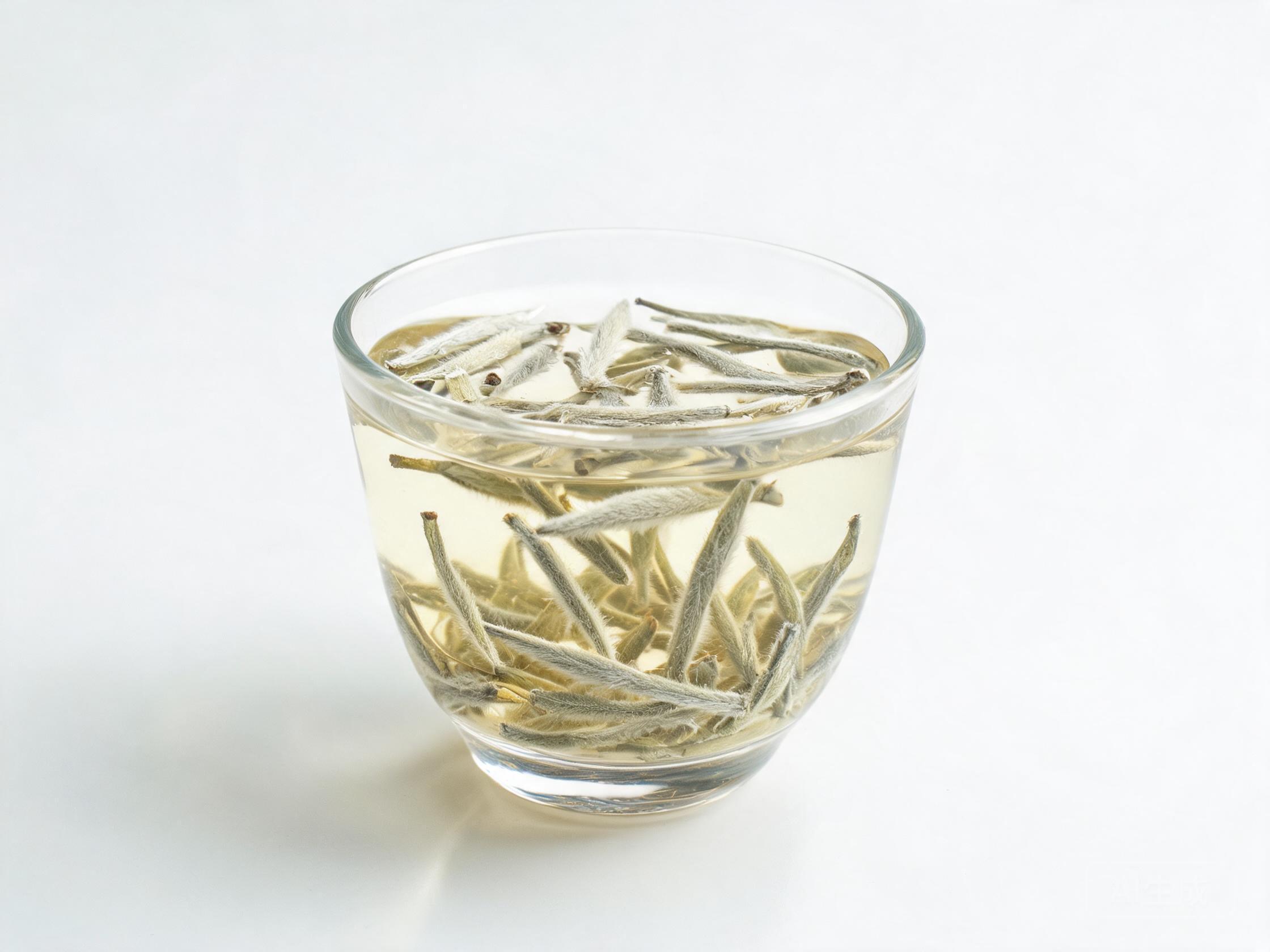
- The comparison, on the measures that matter
- Choosing by intention
- The price bands and what they mean
- Common buying mistakes
- How the three ages behave
- Where each grade comes from
- Frequently asked questions
- Which white tea is best?
- Is silver needle worth the price?
- Which has the most catechins?
- Which is best to age?
- Is white peony good value?
- Why does white tea price vary so much?
The three white tea grades are not a ladder, and the right one depends on what you intend to do with it. Silver needle is for drinking fresh and for gifts. White peony is the everyday tea and the best all-rounder. Shoumei is for aging and for a cheap daily cup. Buying the most expensive grade is the most common mistake in the category.
This page compares them. The cultivars, the picking standards and the production of each grade are separate subjects, and a drinker who wants to understand one of them should read the page for that grade.
The comparison, on the measures that matter
| Measure | Silver needle | White peony | Shoumei |
|---|---|---|---|
| Picking | Single bud | Bud and two leaves | Leaf and stem |
| Price index | 100 | 25 | 8 |
| Catechins per gram | 110 to 140 mg | 130 to 160 mg | 100 to 130 mg |
| Caffeine per cup | 15 to 25 mg | 20 to 30 mg | 25 to 35 mg |
| Body | Thin | Medium | Full |
| Best fresh | Yes | Yes | Acceptable |
| Ages well | No | Somewhat | Yes |
| Gift appeal | High | Moderate | Low |
The table makes the inversion obvious. The most expensive grade has the least catechin, the lowest caffeine and the worst aging behavior. It wins on aroma and appearance, which are real qualities and are not the ones most buyers are told to value.
Choosing by intention
If you want a daily tea at a reasonable price, buy white peony. It has the most catechin, a balanced cup, and a price that supports a habit. A first-grade baimudan is the single best value in white tea.
If you want to age something, buy a shoumei cake. It is cheap, it holds moisture evenly in cake form, and it improves for a decade. Buying silver needle to age is the most expensive mistake available in this category.
If you want a gift, buy silver needle and accept that you are buying presentation as much as tea. A lacquered tin of fat buds is a legible present; a bag of shoumei is not.
If you want to try all three, buy a small quantity of each from one producer. That comparison teaches more than any article, and it costs less than a tin of top-grade silver needle.
The price bands and what they mean
Silver needle runs from a few hundred to several thousand dollars a kilogram depending on grade and origin. The top of that range is gift packaging and famous-garden marketing more than leaf quality.
White peony runs from a hundred to a few hundred per kilogram. The spread is smaller because the picking cost is lower and the grade is less fetishised.
Shoumei runs from very cheap loose leaf to a premium for aged cakes, where the price is a function of storage time rather than of the leaf.
The rule across all three is that price tracks picking labor and packaging, not measured quality. A drinker who wants value should buy the grade that costs least to make and suits the intended use.
Common buying mistakes
- Buying silver needle to age, which wastes the aroma that justified the price.
- Buying silver needle for catechins, when white peony has more.
- Buying a cheap silver needle, which is usually a substitution.
- Buying shoumei as a gift, which reads as a cheap present.
- Buying white peony without checking the grade, since it runs from special to fourth.
- Buying any white tea without a picking date.
The last item is the one that matters most. White tea fades, and a tin with no date could be from any year. A producer who states the pick is a producer who expects the tea to be judged on it.
The second most useful item is the grade check on white peony. The four levels differ by a factor of five in price and noticeably in the cup, and a tin that says only white peony is telling the buyer nothing.
How the three ages behave
Fresh, the three grades are distinct: silver needle is pale and sweet, white peony is gold and balanced, shoumei is amber and woody. A drinker tasting all three side by side can place them immediately.
At three years the picture changes. Silver needle has lost its aroma and become a mild, slightly sweet tea. White peony has deepened and gained a honeyed note. Shoumei has gained body and a dried-fruit character and is clearly better than it was.
At seven years the order has reversed from the price order. Shoumei is the most interesting of the three, white peony is pleasant, and silver needle is a shadow of what it cost.
That trajectory is the single most useful thing to know when buying white tea. The grade that costs most is the grade that gains least, and the grade that costs least is the one that rewards waiting.
- Fresh: the three are clearly distinct.
- Three years: peony deepens, shoumei gains body, needle fades.
- Seven years: the price order reverses in the cup.
- Silver needle is a fresh tea, not a keeping tea.
- Shoumei is the grade to buy if you intend to wait.
- Peony sits in the middle and is the safe choice.
Where each grade comes from
All three grades come from the same bushes in the same season, taken in sequence. The first pick is silver needle, the second is white peony, and the later picks are shoumei or gongmei depending on the cultivar.
That sequence is why a producer makes all three and why the price of one affects the others. A garden that sells only silver needle wastes most of its leaf, and the grades together are what makes the season pay.
It also means the three grades are the same tea at different stages of growth, which is why comparing them is instructive. A drinker tasting all three from one garden is tasting what two weeks of growth does to a leaf.
Fuding and Zhenghe both make all three, and the differences between origins carry through the grades. A Zhenghe shoumei is more herbal than a Fuding one in the same way that a Zhenghe silver needle is.
- All three grades come from one bush in one season.
- The pick order is needle, peony, then shoumei.
- Selling only silver needle wastes most of the leaf.
- Tasting all three from one garden shows what growth does.
- Origin differences carry through the grades.
- Ask which province before comparing prices.
A final practical note on storing a mixed purchase. If you buy all three grades to compare, keep them in separate sealed containers, because white tea absorbs odors and a strongly aromatic silver needle will scent a plainer shoumei within a few months.
The three also age at different rates, so a mixed tin becomes a muddle. Separate storage lets each grade follow its own trajectory, which is the only way the comparison stays meaningful over a year.
And if the intention is to age one of them, buy the shoumei in cake form rather than loose. A cake holds moisture evenly, takes less space, and carries a date that makes the year verifiable.
None of this requires spending much. A small cake of shoumei and a hundred grams each of white peony and silver needle costs less than a single tin of gift-packaged silver needle, and it teaches the whole category.
One more consideration applies to all three grades and is easy to overlook. The brewing changes the comparison more than the grade does. A white peony at 90 Celsius for two minutes and a silver needle at the same temperature for three minutes are closer in the cup than their prices suggest, and a shoumei brewed cool tastes thin enough to be mistaken for a peony.
So the honest advice for a drinker comparing grades is to fix the brewing first and change one variable at a time. Anyone who brews three grades three different ways is tasting the method rather than the leaf.
That said, the grades do have their preferred treatments. Silver needle wants the coolest water and the shortest steep, shoumei wants boiling water and a long one, and white peony sits between. Following each grade’s preference is the fair comparison, and using one method for all three is the controlled one.
A final word on what the comparison is for. The three grades are not a ladder to climb toward the expensive one; they are three tools. A drinker who knows which tool suits the occasion gets more from white tea than one who simply buys the top of the range, and spends less doing it.
Frequently asked questions
Which white tea is best?
Depends on use. White peony for daily drinking, shoumei for aging, silver needle for gifts and fresh drinking.
Is silver needle worth the price?
As an experience or a gift, yes. As a daily tea or an aging tea, no.
Which has the most catechins?
White peony, at 130 to 160 mg per gram, more than silver needle.
Which is best to age?
Shoumei, because it has less fragile aroma to lose and more material to convert.
Is white peony good value?
Yes. It is the best all-round grade and the price supports a daily habit.
Why does white tea price vary so much?
Picking labor, packaging and grade, not measured quality.