- The cool nature caution
- The aging and storage caution
- Caffeine and the people who must count it
- Who should limit it, specifically
- The cold constitution caution in practice
- Storage failure, in detail
- Frequently asked questions
- Is white tea bad for you?
- Who should avoid white tea?
- Is white tea caffeine free?
- Can aged white tea go bad?
- Is white tea safe in pregnancy?
- Does white tea block iron?
White tea has few cautions, and two of them are specific to this category. The first is its cool nature, which makes fresh white tea a poor choice for someone with a cold, weak digestion. The second is aging: white tea is the one category where the recommended form is stored for years, and badly stored aged tea can be moldy. Caffeine is present but low, at 15 to 35 mg per cup.
The caffeine point is worth stating because it is often assumed away. White tea is the lowest-caffeine tea, not a caffeine-free one. Someone avoiding caffeine for a medical reason cannot treat white tea as equivalent to a herbal infusion.
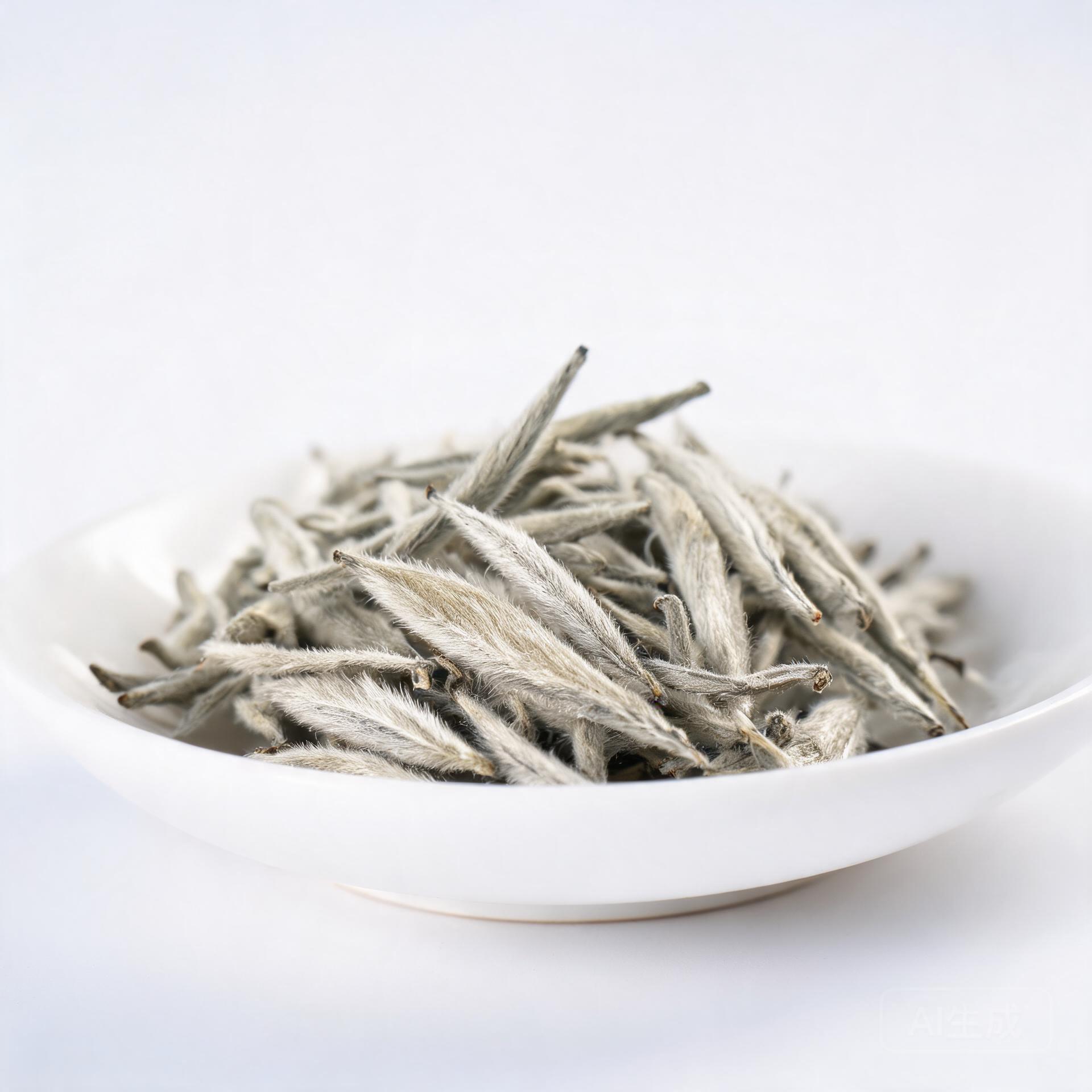
The cool nature caution
In the traditional framework, fresh white tea is cool and enters the lung and spleen. A cold constitution, meaning cold limbs, a preference for warm drinks, loose stools and low energy, is the pattern that a cool tea does not suit. The spleen attribution makes this more specific: the tradition holds that cold injures the spleen’s transforming function, which shows up as poor digestion.
This is the same caution that applies to green tea, in a milder form. A drinker who feels chilled and unsettled after green tea will usually tolerate white tea, and a drinker who reacts to white tea should move to aged white or to oolong.
The practical test is simple. If a cup of fresh white tea on an empty stomach makes you feel cold or gives you loose stools the next day, the classification matches your experience and you should switch to the aged form.
The aging and storage caution
Aged white tea is stored for three to seven years and sold at prices that rise with age. The storage has to be dry, dark, and away from odors. In a humid climate, or in a kitchen, white tea cakes absorb moisture and can grow mold.
Mold on a white tea cake is not always obvious. It can appear as a grey or white bloom on the surface, a musty smell that does not clear after the first infusion, or a sharp unpleasant taste in the throat. Any of those means the cake should be discarded rather than scraped.
This is the one real safety issue in the category, and it is a function of the aging practice rather than of the tea. Fresh white tea carries no such risk because it has not been stored long enough.
Caffeine and the people who must count it
| Caution | Applies to white tea | Applies to green tea extract |
|---|---|---|
| Caffeine during pregnancy | Yes, 15 to 35 mg per cup | Only if the capsule has caffeine |
| Caffeine sensitivity | Mild, the lowest of any tea | Yes |
| Iron absorption with meals | Yes, catechins still bind iron | Yes, about 26 percent in one study |
| Reflux | Yes, caffeine relaxes the sphincter | Yes |
| Cold constitution | Yes for fresh, no for aged | Yes |
| Liver injury | No published signal | Yes, documented from 140 to 1,000 mg EGCG |
Pregnancy is the case where the count matters most. The widely used ceiling is 200 mg of caffeine a day, and white tea at 20 to 30 mg per cup allows six or seven cups within it. That is generous, and it depends on the grade: shou mei at 35 mg cuts the allowance to five.
Iron is the caution most easily fixed. The catechins in white tea bind non-heme iron, and a cup with a meal reduces absorption. Two hours either side restores most of it. A vegetarian with low ferritin is the person most affected and the least likely to have been told.
Who should limit it, specifically
- Cold constitution: choose aged white tea, or move to oolong or red.
- Iron deficiency: keep tea two hours from meals.
- Pregnancy: count cups against the 200 mg ceiling.
- Reflux: note that caffeine relaxes the lower esophageal sphincter.
- Anyone buying aged cakes: check provenance and storage, and discard musty cakes.
- Anyone who dislikes grassiness: try a different grade rather than a different category.
There is one more group worth naming: people who take a daily iron supplement. The binding effect is largest on supplemental non-heme iron, and the supplement is usually taken with breakfast, which is exactly when a cup of white tea is most appealing. Moving the tea to mid-morning solves it.
None of these cautions makes white tea unsuitable for most people. It is the mildest category on almost every measure, and the list here is shorter than for any other tea. The two that are specific to white tea, cool nature and aging storage, are both manageable with a simple choice rather than an avoidance.
The cold constitution caution in practice
The traditional caution against cool tea for a cold constitution is easy to dismiss and easy to over-apply. It is not a prohibition, and it does not apply to everyone who feels the cold. What it describes is a pattern: cold limbs, a preference for warm drinks, loose stools, low energy, a pale complexion.
Someone with that pattern who drinks fresh white tea on an empty stomach may notice exactly what the framework predicts, a chilled feeling and looser stools. The response is not to abandon white tea but to move to the aged form, which the tradition classifies as neutral, or to drink it after food and weaker.
The practical test is a single cup and a day of attention. If nothing happens, the caution does not apply to you. If something does, the framework has given you a vocabulary for it and a cheaper alternative than a doctor’s visit for a mild reaction.
Storage failure, in detail
Aged white tea fails in storage more often than it fails in production. The leaf is hygroscopic, and in a climate with high humidity a pressed cake will absorb water from the air unless it is sealed. Mold follows.
The signs to check before drinking are a musty smell that does not clear after the rinse, a grey bloom on the surface, and a sharp catch at the back of the throat. Any of the three means the cake is spoiled. The tradition’s own view is that a spoiled tea is not a medicine, and discarding it is the correct response.
The mold question has a practical test that costs nothing. Break a small piece from the cake, smell it dry, then rinse it once with hot water and smell it again. A clean aged tea smells of dried fruit, wood or herbs. A spoiled one smells musty both times, and the mustiness deepens rather than clearing.
Taste is the second check. A spoiled cake has a sharp, flat, slightly bitter catch at the back of the throat that does not fade, and in some cases a numbness on the tongue. Both are reasons to stop drinking, and neither can be fixed by airing or re-baking the cake.
The third caution is about provenance. A cake with no producer, no date and no storage history is not a seven-year tea regardless of what the wrapper says. The aging claim is only as good as the record behind it.
None of this is a reason to avoid aged white tea. It is a reason to buy it from someone who can tell you where it was stored, which is the same standard you would apply to any food that has been kept for years.
One further group deserves a mention: people with a history of kidney stones. Tea contains oxalate, and while white tea is not among the highest sources, anyone advised to restrict oxalate should count it with the rest of their intake rather than treating it as water.
The amounts involved are small, and the advice is about totals rather than about avoidance. A cup or two a day is unlikely to matter against a diet that is otherwise high in oxalate, and the more useful change is usually dietary rather than about the tea.
A final note on the shape of this page. White tea has the shortest list of cautions of any category, and two of the six items are about storage rather than about the drink. That is a fair summary of the risk: the leaf is mild, and the part that needs care is how it was kept.
- Cold constitution: choose aged white tea, or move to oolong.
- Iron deficiency: keep tea two hours from meals.
- Pregnancy: count cups against the 200 mg ceiling.
- Reflux: caffeine relaxes the lower esophageal sphincter.
- Aged cakes: check storage, discard if musty.
- Kidney stones: count the oxalate with the rest of your intake.
Frequently asked questions
Is white tea bad for you?
No. It is the mildest tea category, with low caffeine and few cautions.
Who should avoid white tea?
People with a cold constitution should avoid fresh white tea, and anyone should discard a musty aged cake.
Is white tea caffeine free?
No. It has 15 to 35 mg per cup, the lowest of any tea, but not zero.
Can aged white tea go bad?
Yes. Stored humid, it can grow mold. A musty smell or a sharp throat taste means discard it.
Is white tea safe in pregnancy?
Yes within the 200 mg caffeine ceiling, which allows six or seven cups at 20 to 30 mg each.
Does white tea block iron?
Yes, its catechins bind non-heme iron. Keep it two hours from meals if that matters to you.