- Why the caffeine is low
- The groups it suits best
- How much, and which grade
- When it is not the right choice
- Why it suits people who gave up on green tea
- The honest comparison to what you drink now
- Frequently asked questions
- How many cups of white tea a day?
- Is white tea good before bed?
- Is white tea gentler than green tea?
- Can children drink white tea?
- Which white tea has the least caffeine?
- Should I drink fresh or aged white tea?
White tea suits anyone who wants a low-caffeine tea, and it suits sensitive stomachs better than green tea does. Two to four cups a day is a comfortable range for most adults, at 15 to 35 mg of caffeine per cup, which is the lowest of any tea class. The one variable that changes the advice is the age of the tea: fresh white is cool and light, aged white is neutral and rounder.
The category’s practical advantage is that it sits at the intersection of two things people usually have to trade off. It is low in caffeine, like a green tea, and it is gentle on the stomach, like a roasted oolong. Very few drinks manage both.
Why the caffeine is low
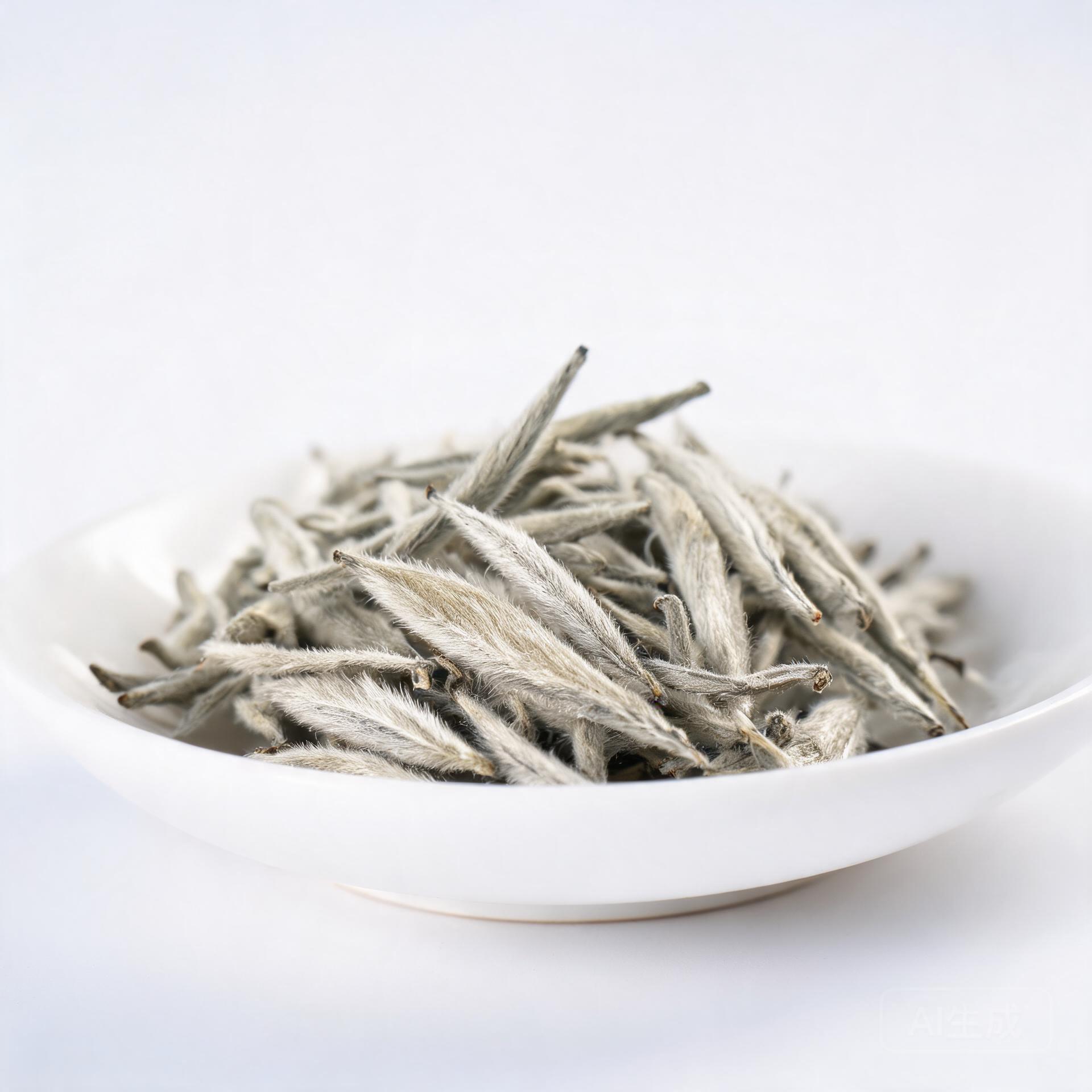
White tea uses buds and young leaves, and those parts carry less caffeine than the coarse mature leaves used for oolong and dark tea. A cup brewed from three grams of silver needle delivers perhaps twenty milligrams, against forty-five for the same weight of an oolong.
That difference is small in absolute terms and meaningful in pattern. Someone who is sensitive to caffeine at forty milligrams can drink two cups of white tea and stay below the dose that disrupts their sleep, where the same person would have to stop at one cup of oolong. The category gives a person room to drink tea rather than a reason to drink less of it.
The groups it suits best
| Group | Amount | Reason |
|---|---|---|
| Caffeine sensitive | 2 to 4 cups | 15 to 35 mg per cup, the lowest range |
| Sensitive stomach | 2 to 3 cups | No kill-green, less astringent than green tea |
| People in hot climates | 3 to 4 cups | Cool nature in the tradition, light body |
| Anyone avoiding strong tea at night | 1 to 2 cups early evening | Low dose, low astringency |
| Older drinkers | 3 to 4 cups of aged white | Neutral nature, gentle |
| People who dislike green tea’s grassiness | 2 to 4 cups | Milder flavor, similar polyphenols |
The stomach case has a chemical basis worth stating. Kill-green heat fixes the leaf and leaves the catechins in a form that binds salivary proteins strongly, which is what astringency is. White tea is not heated that way, so the leaf is less astringent in the cup even though it carries a similar total catechin load. A sensitive stomach tolerates it at a strength that would upset it with green tea.
The evening case is the most useful practical application. A single cup of white tea at seven in the evening delivers around twenty milligrams of caffeine, roughly a fifth of a coffee, and most people sleep normally. That makes white tea the one category where an evening cup is a reasonable default rather than an exception.
How much, and which grade
Three grams of leaf per 200 ml is the standard, and white tea is forgiving of quantity because the unrolled leaf extracts slowly. A heaped teaspoon of white peony is about right; silver needle, being all bud, is much bulkier per gram and needs a looser measure.
Grade matters for the caffeine estimate. Silver needle is the lowest at 15 to 25 mg per cup, and shou mei the highest at 25 to 35 mg, because the coarser leaf carries more caffeine. Someone counting milligrams should know which grade they are drinking, not just the category.
- Two to four cups a day is a comfortable range for most adults.
- Use three grams per 200 ml, more for a bulky silver needle.
- Drink silver needle in the evening, it is the lowest in caffeine.
- Drink aged white tea if you run cold, fresh white if you run hot.
- Brew new white at 85 to 90 Celsius, aged at 95 or above.
- Do not expect it to replace green tea for green tea’s specific compounds.
When it is not the right choice
Anyone who needs a strong tea for a specific reason should not choose white tea. Its catechin content is comparable to green tea, but its traditional use is mild and its evidence base is the thinnest of any category. Choosing it because it is gentle is coherent; choosing it because it is powerful is not.
Anyone with a cold constitution should prefer aged white tea over fresh, following the tradition’s own logic, and anyone who finds even white tea too astringent should look at the grade rather than the category. Shou mei brewed long is more astringent than silver needle brewed briefly.
The comparison that matters most is against what the person is drinking now. Replacing a sweetened drink or a third coffee with white tea is a real change with a real benefit. Adding white tea on top of everything else is unlikely to do much.
Why it suits people who gave up on green tea
A common reason people stop drinking green tea is that it upsets their stomach. The astringency is the cause, and astringency comes from catechins binding salivary proteins and, in a sensitive person, from the same compounds irritating the gastric lining when the stomach is empty.
White tea carries a similar catechin load but is less astringent, because it is never heated hard and never rolled. The leaf structure stays intact, so the compounds release more gradually. Many people who react to green tea drink white tea without trouble, and that is a real difference rather than a marketing distinction.
It is not a universal fix. Someone with a genuinely sensitive stomach may still react to a strong cup on an empty stomach, and the answer is then a weaker brew after food rather than a different category.
The honest comparison to what you drink now
The largest measured health effect of choosing white tea is the drink it replaces. A person who swaps two sweetened drinks a day for white tea removes a substantial sugar load, and that change is measurable, durable and independent of any polyphenol claim.
Adding white tea on top of an unchanged diet is unlikely to do much, because the tea’s own effects are small and unproven. Framing the choice as a swap rather than a supplement keeps the expectation in line with the evidence.
That framing also answers the question of how much to drink. The right amount is the amount that sustains the swap, which for most people is two to four cups, and the wrong amount is the amount that makes it feel like a regimen and gets abandoned in a fortnight.
The group that benefits most from the swap framing is people who drink several sweetened beverages a day. Replacing two of them with white tea removes the sugar and the calories, and it does so without asking the person to change anything else about their diet. That is the kind of change that tends to stick.
For someone who already drinks unsweetened tea or coffee, adding white tea is a smaller change with a smaller expected benefit. It is still a pleasant drink and a mild one, and there is no reason not to, but the honest expectation is enjoyment rather than health gain.
The middle case is the coffee drinker who wants to cut down. White tea at 20 to 30 mg per cup is a step down from a 130 mg coffee, and the ritual of brewing replaces the ritual of the coffee machine. Two cups in the afternoon instead of a second coffee is a change with a measurable caffeine reduction.
What none of these cases requires is a belief in the tea’s medicinal properties. The benefits come from the substitution and the caffeine reduction, both of which are well established, and neither of which depends on the polyphenol content of the leaf.
A word on preparation, since it determines whether the drink is pleasant enough to sustain a habit. White tea needs cooler water than most people use, 85 to 90 Celsius for fresh leaf, and a longer steep, two to three minutes. Boiling water on silver needle produces a bitter cup and convinces the drinker that they do not like white tea.
The leaf is also forgiving of a second and third infusion, which makes it economical. Three grams in a small pot, three steeps, and a morning is covered for the price of one scoop. That is a practical argument for white tea that has nothing to do with health and matters more to most households.
For anyone deciding between grades, the simple guidance is to start with white peony. It has the highest catechin content, the most balanced flavor, and enough leaf to tolerate inexact brewing. Silver needle is worth exploring once the habit exists, not as a first purchase.
- Two to four cups a day for most adults.
- Three grams per 200 ml, more for a bulky silver needle.
- 85 to 90 Celsius for fresh leaf, hotter for aged.
- Silver needle in the evening, shou mei in the daytime.
- Start with white peony if you are new to the category.
- Frame it as a swap, not a supplement.
Frequently asked questions
How many cups of white tea a day?
Two to four for most adults, at 15 to 35 mg of caffeine per cup.
Is white tea good before bed?
A single cup is fine for most people. It is the lowest-caffeine tea and the one where an evening cup is reasonable.
Is white tea gentler than green tea?
Yes for most people. It is not kill-green, so it is less astringent at the same strength.
Can children drink white tea?
Small weak cups are fine. The caffeine is low but not zero, so keep the cup small.
Which white tea has the least caffeine?
Silver needle, at 15 to 25 mg per cup, because it is all bud.
Should I drink fresh or aged white tea?
Aged if you run cold or want a neutral daily tea. Fresh if you want the lighter, cooler profile.