- The sugar caution, which is the largest
- The caffeine caution
- The herbal interaction caution
- Who should avoid which
- The two sugar risks, told apart
- The herbal interaction list, briefly
- Children and the sugar question
- Pregnancy and the caffeine count
- Frequently asked questions
- Is reprocessed tea bad for you?
- How much sugar is in fruit tea?
- Does jasmine tea have caffeine?
- Can herbal tea interact with medication?
- Are slimming teas safe?
- Can children drink reprocessed tea?
The cautions in this category split by type and do not overlap. Sweetened flavored tea carries a sugar risk that scented tea does not. Scented tea carries a caffeine load that herbal blends may not. Medicinal blends carry herb-drug interactions that neither of the others has. The one thing that applies across the category is that no product in it should be assumed harmless because it is called tea.
Most caution pages for tea list the same three items. This one cannot, because the products differ too much. The page is organized by type for that reason.
The sugar caution, which is the largest
A fruit blend at 70 to 90 grams of sugar per 100 grams is a confection. Prepared at 10 grams per cup it delivers 7 grams of sugar; at 20 grams per cup it delivers 14. A pre-sweetened instant powder can deliver 20 to 25 grams in a single serving.
The relevant guideline is the free sugar ceiling, which most public health bodies set at under 25 to 50 grams a day. Two cups of a sweetened blend can consume most of that allowance before any food is counted.
The specific risk groups are people with diabetes or prediabetes, children, and anyone with dental caries. For a child, a sweetened fruit tea is a soft drink with a tea label, and it should be counted as one.
| Caution | Sweetened blend | Scented tea | Herbal blend |
|---|---|---|---|
| Added sugar | Yes, up to 25 g per cup | No | Often, as rock sugar |
| Caffeine | 10 to 25 mg per cup | 30 to 45 mg per cup | Varies, may be none |
| Herb-drug interaction | Rare | None known | Yes, depends on the herb |
| Iron binding with meals | Yes, if tea base is green | Yes | Varies |
| Reflux | Sugar and caffeine both | Caffeine | Depends on the herb |
| Dental erosion | Yes, fruit acids | Low | Low unless citrus added |
The caffeine caution
Scented tea carries the caffeine of its base, which means 30 to 45 mg per cup for a green base and similar for an oolong base. The flower adds no caffeine and removes none.
That matters for three groups: pregnant drinkers counting against the 200 mg ceiling, anyone with a sleep problem, and children. A jasmine tea at eight in the evening is the same caffeine decision as a green tea at eight in the evening.
A common misconception is that a pale, floral tea is a low-caffeine tea. The color and the aroma say nothing about the caffeine. Only the base and the dose do.
The herbal interaction caution
Medicinal blends are the type where a real pharmacological risk exists, because they contain herbs rather than only tea. A blend with chrysanthemum, goji, lotus leaf or cassia is a herbal preparation, and herbal preparations interact with drugs.
The specific interactions worth knowing are few but well documented in the herb literature. Cassia, a common ingredient in weight loss teas, is a laxative and interacts with diuretics and with digoxin. Licorice raises blood pressure. St John’s wort, less common in tea but present in some blends, induces liver enzymes and reduces the effect of many drugs.
The practical rule is to read the ingredient list rather than the front of the packet. A blend described as a slimming tea is a herbal product and should be treated as one.
- Sweetened blends: count the sugar, not the tea.
- Scented tea: the caffeine is the base tea’s.
- Herbal blends: read the ingredients, they can interact.
- Children: a sweetened blend is a soft drink.
- Pregnancy: count cups against 200 mg.
- Slimming teas: often laxatives, not tea.
Who should avoid which
Anyone with diabetes or prediabetes should avoid sweetened blends entirely and choose scented or compressed. The sugar is the whole issue and there is no version of it that fits a daily pattern.
Anyone with reflux should note that both caffeine and sugar can aggravate it, so a sweetened blend is the worst combination in the category for that problem.
Anyone taking a prescription drug with a narrow therapeutic window should check a medicinal blend’s ingredients with a pharmacist, especially if the blend is marketed for a health purpose.
Anyone who wants tea’s chemistry should avoid flavored blends, not for safety but for futility. At 10 to 40 mg of catechins per gram, the tea content is too low to matter.
The two sugar risks, told apart
The metabolic risk and the dental risk are separate and both are real. The metabolic risk comes from total sugar load, which matters for weight and for insulin resistance. The dental risk comes from frequency of exposure, which matters for caries and erosion.
That distinction explains why sipping is worse than drinking. One cup of fruit tea at a meal is a single exposure. The same cup sipped over two hours is dozens of small exposures, and the saliva never recovers between them.
Fruit acids add a second dental problem, because acid erodes enamel independently of sugar. A citrus-flavored tea is both a sugar exposure and an acid exposure, which is the worst combination in the category for teeth.
The herbal interaction list, briefly
Cassia and senna are laxatives and appear in slimming blends. They interact with diuretics by depleting potassium and with digoxin by the same route, and long use causes dependence.
Licorice raises blood pressure and lowers potassium, and it appears in some traditional blends as a sweetener. Anyone with hypertension should check for it.
St John’s wort is less common in tea but present in some mood blends, and it induces liver enzymes that reduce the effect of many drugs including oral contraceptives and anticoagulants. It is the most clinically significant herb in the category.
- Sugar load matters for metabolism, frequency matters for teeth.
- Citrus flavor adds acid erosion on top of sugar.
- Cassia and senna are laxatives, not tea, and interact with digoxin.
- Licorice raises blood pressure and lowers potassium.
- St John’s wort induces enzymes and reduces drug levels.
- Read the ingredient list on any blend sold for a health purpose.
Children and the sugar question
A sweetened fruit tea given to a child is a soft drink, and it should be counted against the same allowance. The tea content is too low to matter and the sugar is not.
The dental risk is larger in children because enamel is thinner and because consumption is often spread across an afternoon. A carton of fruit tea sipped slowly is the pattern most associated with caries.
An unsweetened scented tea in a small weak cup is a different matter and is traditional in many cultures. The caffeine is low and the sugar is absent, and the main caution is the dose relative to body weight.
Pregnancy and the caffeine count
The ceiling is 200 mg of caffeine a day, and a scented tea at 30 to 45 mg per cup allows four or five cups. That is generous and it depends on the base: an oolong base is similar and a white base is lower.
Herbal blends need separate attention because some herbs are contraindicated in pregnancy. A blend containing cassia or senna should be avoided entirely, and any blend marketed for slimming should be checked with a clinician.
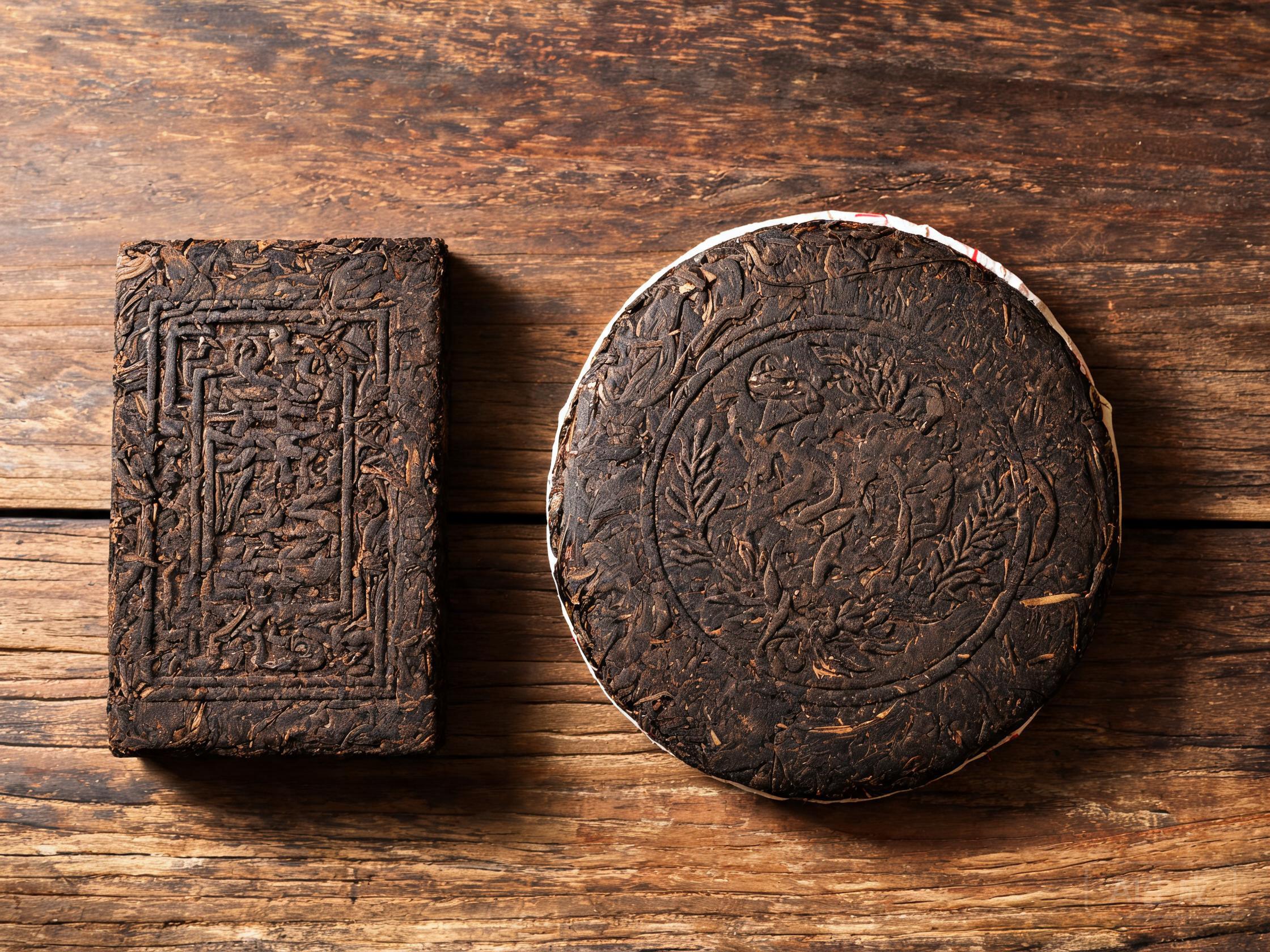
The one product that needs no caution is compressed tea, which is the base tea in a shape and can be counted as the base would be.
The overall shape of this page is that the category’s cautions are inherited rather than intrinsic. Sugar comes from what was added, caffeine comes from the base, and interactions come from the herbs. None of them comes from the reprocessing itself.
That is the reason a single warning cannot cover the shelf. A reader who knows which type they are holding knows which caution applies, and a reader who knows only the category does not.
A final note on the one group that needs no caution beyond the ordinary. Someone with no relevant condition, who chooses an unscented or compressed product and reads the label, can drink reprocessed tea freely. The category makes no demand beyond attention to what is in the packet.
That is a fair summary of a wide shelf. Most of what is on it is safe, some of it is sugar, and a little of it is a herbal product that should be treated as one. The label distinguishes them and nothing else does.
One more item belongs in the herbal caution even though it is not a drug interaction. A blend containing cassia can cause a laxative dependency within a few weeks of daily use, and the withdrawal is uncomfortable enough that users often increase the dose. That is a pattern worth naming because the products are sold as gentle.
Frequently asked questions
Is reprocessed tea bad for you?
Not as a group. Sweetened blends are a sugar risk, scented tea is a caffeine source, and herbal blends can interact with drugs.
How much sugar is in fruit tea?
60 to 90 g per 100 g of product in the sweetest blends, which is 7 to 25 g per cup.
Does jasmine tea have caffeine?
Yes, 30 to 45 mg per cup if the base is green tea.
Can herbal tea interact with medication?
Yes. Cassia, licorice and St John’s wort are documented examples found in some blends.
Are slimming teas safe?
Often not. Many contain laxatives such as senna or cassia rather than tea.
Can children drink reprocessed tea?
Unsweetened scented tea in small cups, yes. Sweetened blends should be treated as soft drinks.