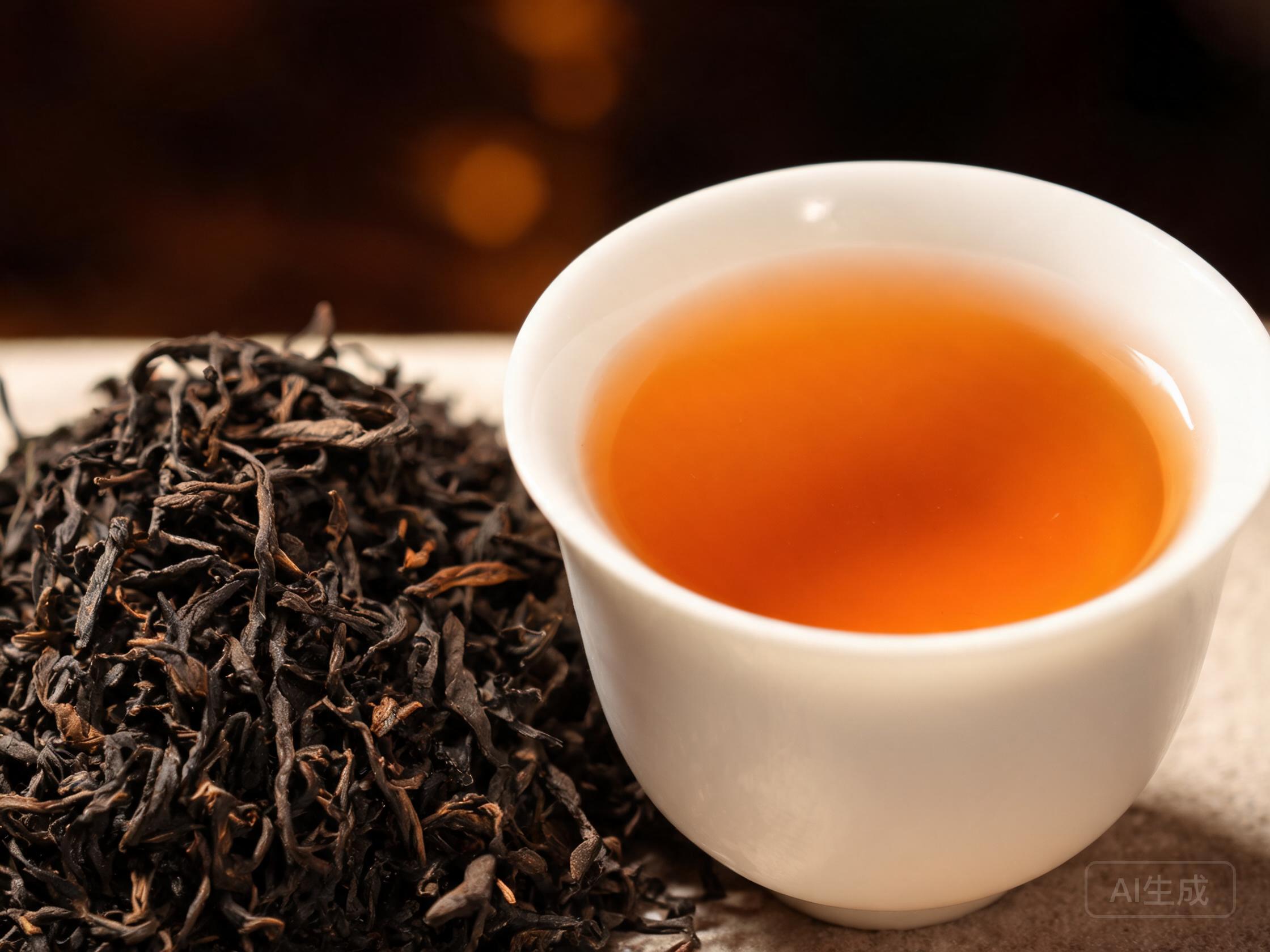
- The four steps
- What each step is really testing
- Matching the routine to the tea
- The failures worth walking away from
- How to use the routine well
- What the price should tell you
- Frequently asked questions
- What are the four steps?
- Which step is most informative?
- Why smell twice?
- How do I detect sugar?
- What is the clearest reason to walk away?
- Should I compare two teas?
Buying red tea comes down to four steps in order: look at the dry leaf, smell it twice, feel it between the fingers, and brew one cup. The order matters because looking and smelling eliminate most of a shelf in under a minute, and brewing settles the rest. Nothing else a shopper can do is as informative.
Each sense catches a different fault. Looking catches grade and age, smelling catches staleness and contamination, feeling catches sugar and excess moisture, and brewing catches everything that survives the first three.
The routine is a filter rather than a verdict. A tea that passes all four is worth buying again; a tea that fails two is not worth the time, and the shop that allows the four checks is worth more than the tea that passes them.
The four steps
| Step | What to do | Catches | Fails if |
|---|---|---|---|
| Look | Leaf on white paper | Grade, evenness, age | Dusty, matte, mixed |
| Smell | Twice, warm the second time | Staleness, contamination | Papery base, foreign smell |
| Feel | Rub a pinch between fingers | Sugar, moisture | Sticky, damp, clumping |
| Brew | One cup, then a second | Everything else | Thin second infusion, harsh edge |
Looking is first because it is free and instant. Tip the leaf onto white paper, spread it out, and look at three things: the colour, the evenness and the tips. A glossy, even leaf with pale golden tips is a good sign; a matte, dusty, piebald one is not.
Smelling is second and it needs two passes. The first gives the top note, which a re-fire can restore; the second, after the leaf has warmed in a closed hand, gives the base note, which nothing restores. A papery base means old tea however good the top note was.
Feeling is third and it is the step most shoppers skip. A clean, dry leaf falls apart when rubbed and leaves nothing on the fingers. A sugared leaf clumps and feels tacky, and a damp leaf feels cool and soft in a way that fresh dry leaf does not.
What each step is really testing
Looking tests the pick and the storage. Golden tips mean buds were included, even colour means a single grade was sorted, and gloss means the essential oils are still there. A dull, dusty leaf has lost its oils and will taste flat.
Smelling tests the age and the warehouse. Paper and dust mean old tea; a smell of coffee, spice or soap means it was stored beside something else; a sharp chemical note may mean dye or a cleaning product. A clean red tea smells of the leaf and of the fire and nothing else.
Feeling tests the finishing. Sugar coating is the commonest adulterant in the cheap segment and it is unmistakable under the fingers. Excess moisture is the commonest storage fault and it shows as softness and clumping rather than crispness.
Brewing tests everything at once, and the second infusion is the decisive part. A tea with real leaf behind it holds its body into the third steep; a tea that has been sugared or made from coarse leaf collapses at the second, and the drop in body is steeper than the drop in colour.
- Look for gloss, even colour and pale golden tips.
- Smell twice, and trust the second one.
- Rub a pinch and check for tackiness.
- Brew twice and judge the second cup.
- Walk away when two steps fail.
Matching the routine to the tea
| Tea type | Extra attention | Why |
|---|---|---|
| Lapsang Souchong | Judge the smoke, not just its presence | Smoke hides everything else |
| Keemun | Smell for cocoa and orchid | The character is easy to fake |
| Dianhong | Look at the tips and the body | Late picking shows as thinness |
| Yingdehong | Check the brightness of the liquor | Its selling point is brightness |
The routine is the same for all red teas and the emphasis shifts. A smoked tea is the hardest to judge because the smoke covers the faults a clean tea would show, and the question becomes whether there is anything under the smoke.
A Lapsang Souchong worth buying has a pine character that sits with the leaf rather than over it, and the second infusion should reveal the tea beneath. A tea that smells powerfully of smoke and tastes of smoke and nothing else has been smoked to hide something.
A Keemun should show cocoa and a floral note in the base, and a Keemun that shows only a generic sweetness has probably been sugared or blended. The characteristic aroma is the thing being bought, so its absence is the fault.
A Dianhong is judged on body and on the tips. Coarse leaf and a thin second infusion mean late picking, which is the usual way a Yunnan red is cheapened. A Yingdehong is judged on a bright, fruity liquor, and a dull one has missed the point of the tea.
The failures worth walking away from
A papery base note is the clearest single reason to leave. It cannot be fixed in the cup and it means the tea is old, whatever the label says about the harvest.
A sticky leaf is the second. Sugar is added to hide a thin tea, and a tea that needed hiding is not worth the price even before the sugar is considered.
A collapse at the second infusion is the third. It means the leaf has little left to give, which usually means late picking or a coarse grade, and no brewing technique recovers it.
A refusal to brew a sample is the fourth, and it is about the seller rather than the tea. A shop selling tea by weight will normally brew one, and a shop that will not has told you how much confidence it has in the tin.
How to use the routine well
Run it on a tea you already know first. The routine is comparative, and a buyer with one reference in mind reads the four steps far more accurately than one working from descriptions.
Then run it on two teas side by side rather than one at a time. Comparison exposes the differences that a single cup hides, and it is how the trade itself judges quality.
And record what you find, even briefly. A note of the shop, the tea and the second infusion is worth more than a memory of having liked it, and it turns the routine into a habit that improves.
The routine costs a minute and a cup of tea, and it is the difference between buying on the label and buying on the leaf. Most shoppers do the first and wonder why the results vary.
What the price should tell you
Price is the fifth check and it is not one of the senses. A red tea priced below the cost of making it is either a loss leader or something other than what it says, and over a whole shelf the second explanation is commoner.
The useful question is not whether a tea is expensive but whether the price is consistent with the other four checks. A glossy, golden-tipped leaf with a clean base note and a strong second infusion justifies a high price; the same price on a dusty leaf does not.
Price also identifies the segment, and the segment predicts the likely fault. Cheap red tea is usually sugared or blended; mid-priced red tea with a famous name is usually a substitution; expensive red tea is usually genuine and perhaps overpriced. Knowing which fault to expect makes the four checks more efficient.
A buyer who finds a shop where the price, the leaf and the cup agree should stop shopping around. That combination is rarer than the size of the market suggests, and it is worth more than any single bargain.
One last habit is worth naming, which is to buy a small quantity first. Every check in this routine is a prediction, and the only way to confirm a prediction is to drink the tea at home over a week. A hundred grams is enough to know, and it costs far less than a kilogram bought on a single good impression.
The routine is also worth applying to a tea you already like, once, to see what a good one looks like under the four steps. That reference is what makes the checks usable on unfamiliar leaf, and it costs nothing but a cup.
Tea shops vary in how much of the routine they will allow, and the variation is informative in itself. A shop that lets you handle the leaf, smell it twice and brew a cup is a shop that expects to be judged on the tea, and that expectation is usually founded.
Frequently asked questions
What are the four steps?
Look at the leaf, smell it twice, feel it, and brew a cup.
Which step is most informative?
Brewing, and specifically the second infusion.
Why smell twice?
The top note can be restored by re-firing; the base note cannot.
How do I detect sugar?
The leaf clumps and feels tacky when rubbed between the fingers.
What is the clearest reason to walk away?
A papery base note, which means the tea is old and cannot be fixed.
Should I compare two teas?
Yes. The routine is comparative and works far better side by side.