Glass and porcelain
Glass and glazed porcelain are the two neutral materials, and neither one changes the tea at all.
Both are non porous, so water and leaf meet in the vessel and nothing else joins them.
What separates them is heat, and glass and thin porcelain both shed it quickly.
A gaiwan(盖碗)of thin porcelain loses about 5 °C in the time it takes to pour.
For green tea that is an advantage, because the leaf is already brewing at 80 to 85 °C.
Glass loses heat a little faster still, and it is the coolest brewing surface you can buy.
The second difference is what you can see, and glass wins that outright.
A bud grade opening in glass tells you when the infusion is ready without a timer.
Porcelain hides the leaf and shows the liquor colour instead, which is the other half of judging.
A white interior shows the true colour of a green liquor, and a coloured glaze distorts it.
Thickness matters more than the material, since a thick glass cup behaves like a thick porcelain one.
Buy thin walls in either material, and the difference between them becomes a matter of taste.
Clay
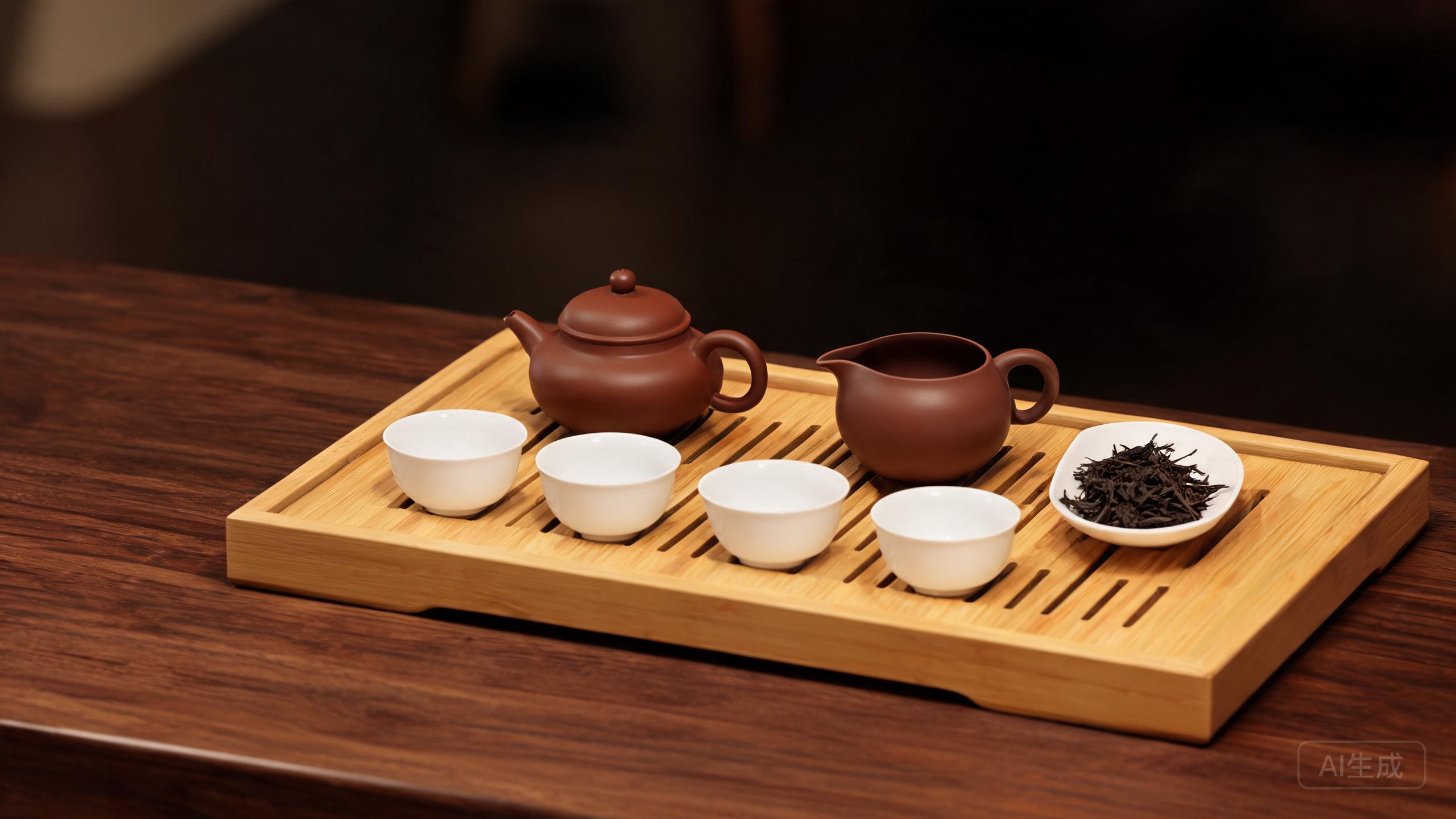
Unglazed clay is the only common teaware material that changes what is in the cup.
It is porous, and the pores take up oils and aroma from every session and release some of them later.
It also holds heat, because the wall is thick and the clay is dense.
Both of those are advantages for dark tea and roasted oolong, and both are problems for green tea.
Extra retained heat pushes a delicate leaf past the point where it tastes sweet.
Green tea has the narrowest temperature window of any category, and clay takes that window away.
Absorption is the slower problem, since a pot builds a layer over months rather than days.
Zisha(紫砂)clay is the usual material, and the seasoning it builds is what collectors pay for.
That seasoning is specific to one tea, and a pot seasoned on green tea cannot then be used for ripe pu-erh.
Green tea is a poor choice to season a pot with, since it puts very little into the clay.
A pot seasoned lightly on green tea mostly smells of whatever was in it last.
So clay is not a neutral choice here, and it is not a helpful one either.
Matching to the tea
Match the material to how the tea is made rather than to how it looks on the shelf.
Green tea is unoxidised and delicate, so it wants the material that does the least.
Thin porcelain is the safe match across every green tea you will buy.
Glass is the better match for a bud grade, and porcelain for a rolled or twisted leaf.
A tea like Longjing sits well in glass, and a gunpowder style does not need the view.
Avoid clay for every one of them, including the ones sold as green tea pots.
Any pot advertised as seasoned and ready for green tea was seasoned on something else.
Match by temperature as well, since the material is really a heat control device.
A tea brewed at 80 °C wants a thin wall, and one brewed at boiling wants a thick one.
Fix the dose at 5 grams in 100 ml and the material question shrinks to almost nothing.
Match by form too, because a bud grade needs the height that a tall glass gives.
Three decisions, temperature, form and material, and the material is the least of them.
Buying advice
Buy porcelain or glass, thin walled, in the size you actually drink from.
A 100 ml gaiwan covers green tea and most of the rest of the shelf besides.
Check the lid fits and the rim is true, since a warped lid spills boiling water on your hand.
Check the glaze for pinholes and craze lines, and reject anything with a damaged surface.
A damaged glaze lets liquid into the body, and the vessel stops being neutral.
Ignore the maker’s name, the decoration and any story about the clay.
None of those three change the cup, and all of them cost money.
Avoid anything sold as zisha(紫砂)for under twenty dollars, which is slip cast and tinted.
Real hand built clay costs more, and at a low price you are buying a coloured casting.
Spend what is left on the leaf, since material affects the cup far less than freshness does.
A green tea kept through a hot summer tastes of nothing whatever you brew it in.
Buy fresh leaf and cheap ware, in that order, and the cup will be better for it.