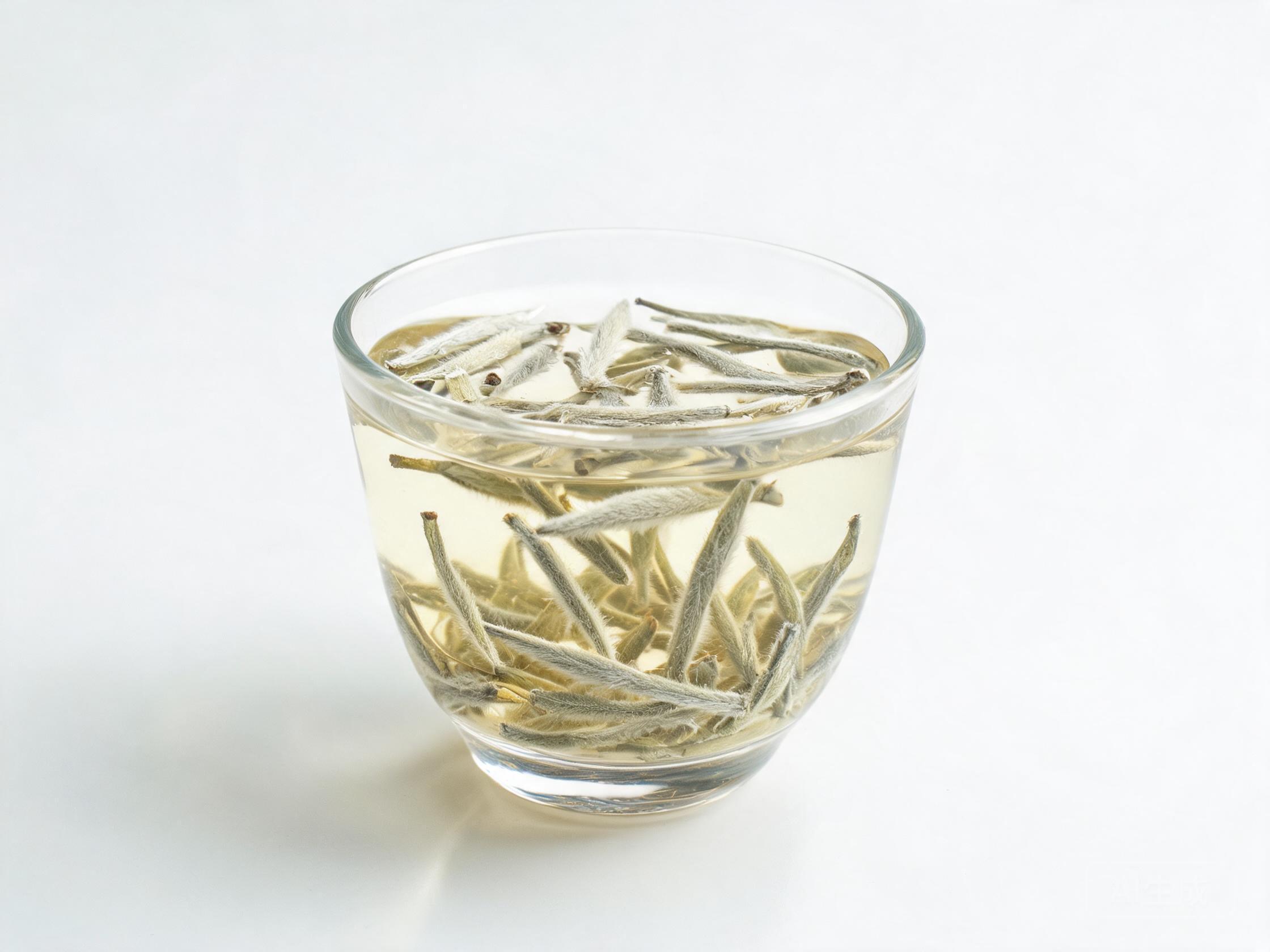
- The five steps
- The two checks worth dwelling on
- Matching the check to the grade
- Shop situations and what they mean
- What the price should tell you
- Buying to keep
- The mistakes buyers make most
- Frequently asked questions
- What are the five checks?
- Which check is most decisive?
- How do I check dryness?
- How can I judge the year?
- Does a county name justify a premium?
- Is a vintage premium supported?
Buying white tea comes down to five checks: look at the pick, smell for down aroma, brew and read the colour, feel the dryness and ask the year. The first settles the grade, the second confirms it is white tea at all, and the last three decide whether the tea is good and what it is.
The order matters because the first two eliminate most of what is wrong on a shelf and cost nothing. A buyer who looks before smelling and smells before brewing has done the work in the right sequence.
White tea is the easiest class to check and the hardest to check well, because the evidence is all in a dry leaf that most shoppers never examine.
The five steps
| Step | What to do | Fails if |
|---|---|---|
| Pick | Look at buds, leaves or stems | Not the grade claimed |
| Down aroma | Smell twice, warm the second | No down aroma at all |
| Colour | Brew at a fixed ratio | Does not match the claimed age |
| Dryness | Crush a bud between fingers | Soft, pliable, or clumps |
| Year | Ask and compare to colour | Vague, or contradicts the look |
The pick is the first and the fastest. Tip a pinch onto white paper and look at what is there: buds alone, a bud with two leaves, or leaf and stem. That is the grade, and it is settled before anything else is discussed.
The down aroma is the second and the most decisive for authenticity. A white tea smells of hay, melon or dried herb, and the smell comes from the bud hairs. A tea with no such smell is either old or not white tea.
The colour is the third and it takes a brew. At a fixed ratio and time, a fresh Silver Needle gives a liquor so pale it is almost colourless, a three-year-old gives clear gold, and a seven-year-old gives amber. A mismatch between the claimed age and the colour is a reason to stop.
The two checks worth dwelling on
Dryness is the check most shoppers skip and the one that predicts storage quality. A properly dried white tea crushes to powder between the fingers; a damp one bends, feels cool and clumps in the tin.
Moisture is the biggest risk in white tea because the leaf is bulky, lightly processed and often stored for years. A damp tea will develop a musty note that no amount of further storage repairs, and the fault is present the day it is bought.
The year is the other check worth dwelling on, not because the number can be verified but because the answer tells you about the seller. A shop that knows its vintages can give a year and a storage history; a shop that cannot is selling by appearance.
Those two together catch what the first three cannot. The pick and the aroma confirm what the tea is, and dryness and the year’s account confirm how it has been kept.
- Look at the pick before reading the label.
- Smell twice and trust the second.
- Brew at a fixed ratio before judging the colour.
- A bud that bends rather than snaps is damp.
- Ask the year and listen to how the answer is given.
Matching the check to the grade
Silver Needle is judged almost entirely on the bud: its size, its down, its intactness and its smell. There is nothing else in the tea, so the bud carries the whole assessment.
White Peony is judged on the balance between bud and leaf. A good example has a visible bud for every two leaves and an even colour; a poor one is mostly leaf with a few buds scattered through.
Shoumei and Gongmei are judged on evenness and on the absence of dust. Both are coarse by definition, so the question is whether the leaf is whole and consistently coloured rather than whether it is fine.
An aged tea of any grade is judged on the colour curve, the dryness and the smell of the infused leaf. The pick matters less because the age is what is being bought, and the storage shows in exactly those three places.
Shop situations and what they mean
| Situation | Usually means | What to do |
|---|---|---|
| No sample offered | Low confidence in the leaf | Ask, then decide |
| Only the dry leaf shown | Nothing to hide, or nothing to show | Ask to brew |
| Vague on the year | Stock of unknown age | Assume the freshest reading |
| Pushes the vintage hard | Premium rests on the story | Insist on a brew |
| Buds all uniform and perfect | Terrace tea, finely sorted | Judge the cup, not the look |
The table is a reading of behaviour rather than of the tea, and in white tea behaviour is unusually informative. The category’s evidence is visible in the dry leaf, so a shop that will not let you look at it is a shop that is not confident about what the leaf would show.
The refusal to brew is the most telling. White tea is cheap to brew and a shop selling it by weight will normally make a cup, and a refusal is either a rush or a concern about the colour.
What the price should tell you
White tea prices are unusually informative because the grades are visibly different. A Silver Needle at a Shoumei price is a contradiction, and a seven-year-old at a fresh price is another.
The county premium is real and often larger than the quality difference. Fuding’s name carries a multiple, and a Zhenghe or Yunnan tea of the same grade can be better value for a drinker who trusts their own palate.
The vintage premium is the least supported. It rests on scarcity and on the buyer’s willingness to accept the seller’s account of storage, and there is no document behind it.
Buying to keep
A drinker who intends to age a white tea should buy differently from one who intends to drink it. The first should buy a larger quantity of a single tea, in one container, with a date noted, and open it once a year to check.
The grade to buy is Shoumei or Gongmei, for the reasons the ageing article sets out. A Silver Needle bought for keeping is money spent on an aroma that will be gone before the tea is old enough to be interesting.
The second purchase rule is to buy from a shop that turns its stock. A merchant who sells white tea steadily will have current vintages and honest dates; a merchant with dusty tins at the back has tea of unknown age.
The third is to buy a small amount first. Every check in this list is a prediction, and the only way to confirm a prediction is to drink the tea over a week at home. A hundred grams is enough to know.
The mistakes buyers make most
The first is to buy by grade word alone. Silver Needle is the most expensive word in the category and the least reliable guide to whether the tea is any good, because a badly made Silver Needle is still Silver Needle.
The second is to assume age means quality. An aged white tea is a different drink rather than a better one, and a drinker who does not like dried fruit and wood will not enjoy it at any price.
The third is to store a tea in the packet it came in. Most retail packaging is not airtight after opening, and a tea left in an open bag in a kitchen cupboard will pick up the room within weeks.
The fourth is to judge the colour of a liquor brewed casually. The colour curve only means something at a fixed ratio and time, and a long steep will make any tea look old.
The fifth is to pay for a county name without tasting. Fuding is a real advantage and it is not worth the multiple it commands to a drinker whose palate prefers Zhenghe or Yunnan.
The checklist is short enough to run in a minute and thorough enough to catch most of what goes wrong. A buyer who uses it consistently will still occasionally buy a tea they do not love, and will stop buying tea that is not what it says, which is the achievable goal.
A last habit is worth naming, which is to keep a note of each tea bought with its grade, county and year. Three notes turn into a personal reference and make every later comparison easier, and the notes cost less time than reading about tea does.
Frequently asked questions
What are the five checks?
Pick, down aroma, colour, dryness and year.
Which check is most decisive?
Down aroma, because a white tea without it is not white tea.
How do I check dryness?
Crush a bud; it should snap to powder, not bend.
How can I judge the year?
Brew at a fixed ratio and compare the colour to the claimed age.
Does a county name justify a premium?
Only partly. The quality gap is smaller than the price gap.
Is a vintage premium supported?
No. It rests on scarcity and the seller’s account of storage.