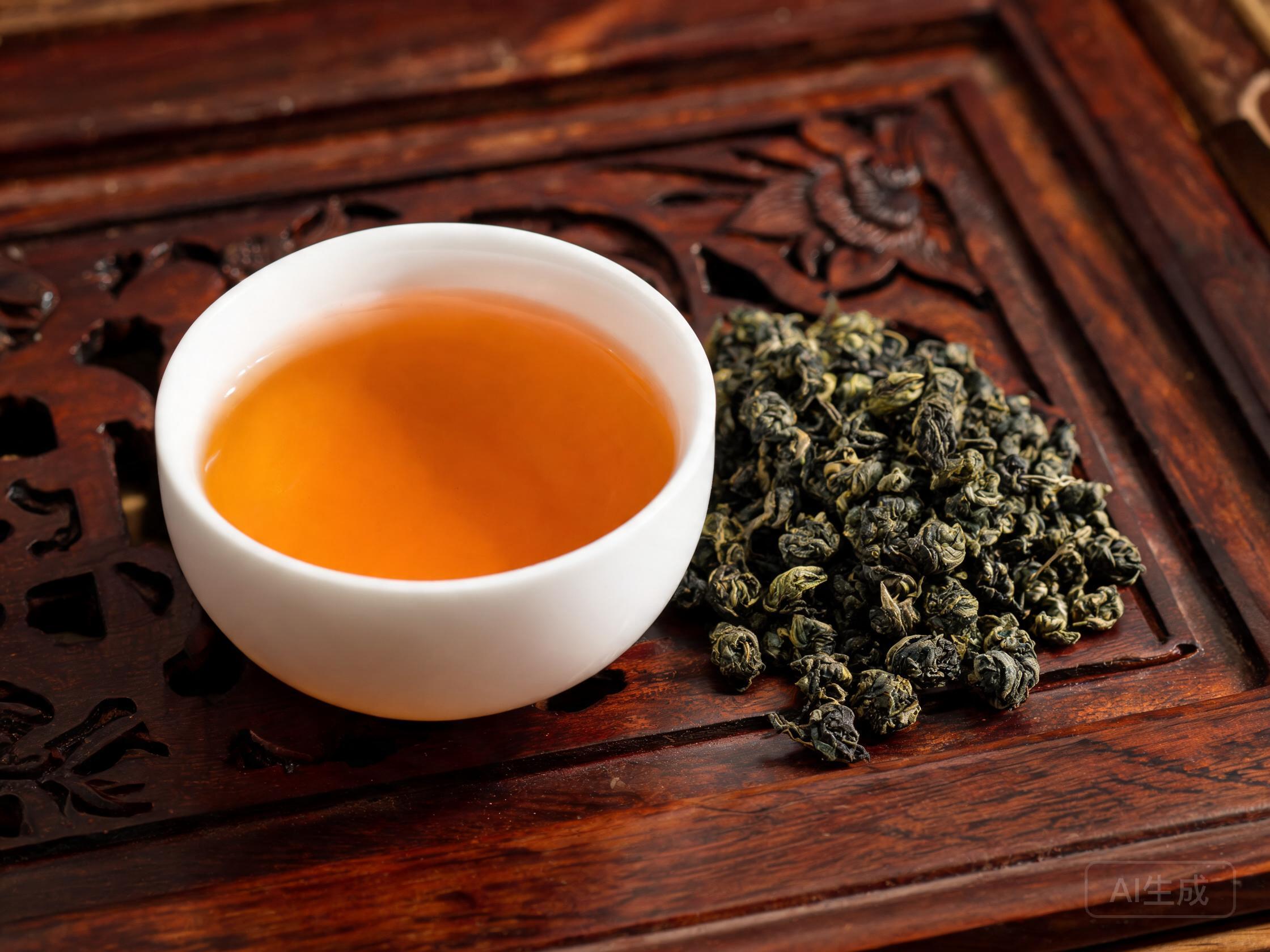
Two questions people actually ask
Two questions come up about oolong more often than any others.
How many times can it be brewed?
A good rolled oolong gives 6 to 8 infusions, and a poor one gives out by the fourth.
That gap is the most practical quality test available anywhere in the category.
A leaf that keeps changing across the session has real material behind it.
One that tastes identical from the first pour to the last was never going to be interesting.
Does it need a full boil?
Yes, and this is where oolong differs from the greener categories entirely.
Water at 95 °C or above is normal, and anything cooler leaves the aroma locked in the leaf.
The rolled shape needs heat and time to open, and lukewarm water never gets there.
Those two answers cover most of what people get wrong about oolong at home.
The rest of the FAQ is about roast, which is a longer and more interesting question.
Buying and storing
Oolong varies by region and by roast more than any other category, so buying needs a method.
The useful question is what the roast is doing rather than how dark the leaf looks.
Smell the dry leaf, and separate the charcoal from everything underneath it.
A good roasted tea smells of the roast and then of something else, usually flower, fruit or wood.
A poor one smells only of smoke, because there was nothing else there to begin with.
A lightly oxidised oolong should smell fresh and floral, with no baked note at all.
Ask for the cultivar, since Shuixian(水仙)and Rougui(肉桂)are different purchases entirely.
The roast date matters too, since a fresh roast needs rest and an old one has already faded.
Storage is easier here than for green tea, and the leaf keeps well sealed and cool.
Keep it away from strong smells, since oolong absorbs them faster than most tea does.
A roasted tea is best rested for a month or two after roasting before you drink it.
Buy a small quantity rather than a large one until you know how a particular house roasts.
Drinking it right
The biggest question about oolong is strength, and the usual mistake is brewing it too weak.
This category wants heat, a generous dose and short steeps rather than one long one.
Start at 5 g in 100 ml at 95 °C and give the first pour about 30 seconds.
Add time to each later infusion rather than adding leaf, and the leaf will keep giving.
If the cup is harsh, shorten the steeps rather than lowering the temperature.
If it is thin, check the dose before anything else, since 5 g in a large mug is not enough.
A rolled oolong needs room to open, so a small vessel works better than a tall one.
Water matters less than with green tea, since roast and oxidation give you some cover.
What matters is consistency, so count the seconds rather than guessing.
Run the full session and note where the tea turns sweet, since that is the useful marker.
A tea that sweetens in the middle and holds to the sixth pour is a good buy.
One that gives everything up in the first cup is not, whatever the label claims.
Myths versus facts
Several popular claims about oolong do not hold up, and they are expensive ones.
Partial oxidation does not make it low in caffeine, and a heavy roast does not either.
A darker roast does not mean an older tea, since roast is a choice made in the workshop.
Oolong is not a single style, and a green Anxi tea and a black Wuyi one share almost nothing.
What is true is that heat, dose and pour count decide the cup, and roast decides the character.
That pair of sentences replaces most of the vocabulary printed on oolong packaging.
The common misconceptions page for this category covers the roast and age confusion properly.
It is worth reading before paying for a cake sold on the word traditional.
Ask for the oxidation level and the roast date, and note both down when you get home.
Two facts beat an adjective, and they cost nothing to ask for.
Then brew the whole session rather than a single cup, since the category is built for it.
That habit is the biggest improvement most oolong drinkers can make.