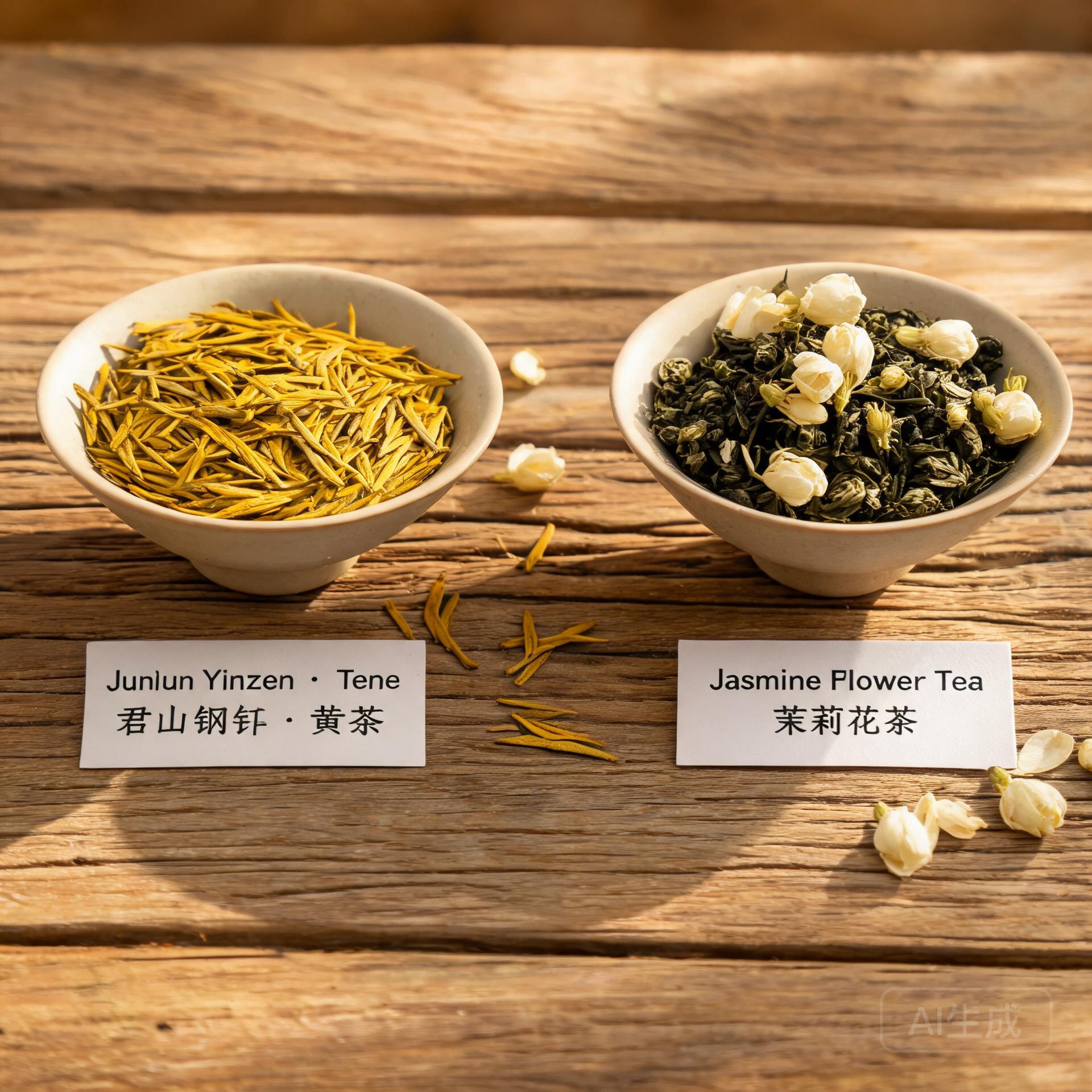
Why Green tea goes bad
Green tea is the least processed of the major types (no oxidation, no fermentation) so what you are storing is essentially dried leaf with its enzymes deactivated but its delicate aromatics left intact. That makes it the most perishable tea in the cupboard. The compounds behind a fresh green’s sweetness, above all the free amino acids, decline steadily, while chlorophyll and lipids oxidize slowly into the flat, hay-like notes people recognise as old green tea. A pouch opened in spring rarely tastes the same by the following spring, even when stored well.
So ‘going bad’ for green tea is usually not rot. It is the quiet loss of freshness first, then aroma, then colour. That matters for what you do about it: you are not trying to keep green tea forever, you are trying to keep it tasting like itself for as long as you reasonably can.
Moisture is the fastest killer
Above roughly 60% relative humidity, dried green leaf takes up water quickly, and once water activity rises the leaf can support mould. The first sign is almost never visible fuzz. It is a change in the nose: the dry leaf smells sweet-damp or cellar-like rather than clean and vegetal, and the brewed liquor turns dull and slightly sour.
If you do see white or blue-green spots, or the leaf has gone soft and pliable instead of crisp enough to snap, discard it. Mycotoxins are not removed by rinsing, re-firing, or a hot first infusion. That is a real food-safety line, not a quality judgement.
The practical defence is a genuinely airtight container with a gasket lid, kept in a dry cupboard away from the kettle and the sink. In a humid climate, portion the tea into small tins so you are not opening the main stash every day and re-exposing it each time.
Odor travels
Dried leaf is an excellent odour sponge. The same porous structure that lets it absorb humidity also lets it pick up whatever is in the air. Green tea is especially vulnerable because its own aroma is subtle, so a competing smell shows up in the cup immediately.
Spice racks, coffee, and the fridge are the three classic offenders. Keep green tea away from all three, and never store it in a container that previously held something aromatic. The residue outlasts a wash.
If a batch already smells of its surroundings, there is no reliable fix. Airing it out for a day can lift a light taint, but anything stronger is permanent. The cheap prevention is a dedicated tin with a tight gasket, stored with nothing scented nearby.
Heat and light cook it slowly
Heat and light do the slow damage. Direct sun, or a shelf above the stove, will flatten a green tea in weeks: the liquor loses its green-gold brightness and shifts yellow-brown, and the fresh top note goes first.
Refrigeration genuinely helps if you do it properly: 0–5°C in a fully sealed, moisture-proof container. The critical part is letting the container come back to room temperature before you open it, or condensation will wet the leaf and undo the whole point. Freezing works for long holds on unopened packs.
What you should not do is keep green tea in a clear caddy on a sunny counter. That is the single most common way a good tea is quietly ruined, and it looks harmless the entire time.
The habit that prevents all three
One habit covers most of it: buy green tea in quantities you will drink within three to six months, and keep the working portion separate from the reserve.
Portioning works because the reserve tin is then opened rarely, exposed to air, humidity, and kitchen odours a handful of times instead of daily. Date the container when you open it, and keep the working tin somewhere cool, dark, and dry: a cupboard away from the oven, not the counter.
When you do open it, close it straight away. A tin left open through a long brewing session picks up more damage in an hour than in a month of good storage. Drink the oldest opened tin first, and accept that green tea is a tea you buy fresh rather than one you lay down.