- The tribute history
- The arithmetic of scarcity
- The price bands and what moves them
- The three kinds of fake
- How to buy without being misled
- What the premium buys at the top
- The comparison with other famous teas
- The gift market and the second-hand trade
- Frequently asked questions
- Why is it called the king of yellow tea?
- Is the title imperial?
- How much is made?
- Why is it so expensive?
- How can I spot a fake?
- Is it worth the price?
Junshan Yinzhen is called the king of yellow tea for three reasons that have nothing to do with how it tastes: it was a tribute tea from the Tang dynasty, it is grown on an island of under one square kilometre, and its total output is measured in hundreds of kilograms a year. The title is a statement about scarcity and history. Whether it is the best yellow tea is a separate question, and the answer is not obvious.
This page is about that title and the market built on it. The island, the picking rule and the behaviour in the glass are separate subjects. What follows is why the name commands what it does, what the price bands are, and where the counterfeits come from.
The tribute history
The claim is that Junshan tea was sent to the imperial court from the Tang dynasty, and that the practice continued through the Song, Ming and Qing. The specific form of the tribute changed over that period, and the bud-only version that is sold today is a later development than the earliest tribute.
That is worth saying precisely because the marketing usually compresses a thousand years into a single claim. What is documented is a long association with the court. What is not documented is that the tea sent in the Tang was the same product as the one sold now.
The title itself, king of yellow tea, is a modern formulation rather than an imperial one. It appears in twentieth-century tea writing and in export marketing, and it is a commercial label dressed as a historical one.
That does not make it false. It makes it a claim about position rather than about lineage, and a buyer should understand which.
The arithmetic of scarcity
The island is about 0.96 square kilometres, and most of it is not tea garden. The tea area is a fraction of that, and the picking window is seven to ten days in spring.
Genuine output is measured in hundreds of kilograms a year. Against that, the volume of tea sold worldwide under the name is much larger, and the difference is made up by tea from elsewhere.
The arithmetic is the whole argument for the price. A fixed area, a short window and a picking rule that rejects most of what is picked produce a small number, and demand at any level above that number produces a premium.
| Tier | What it is | Relative price | Volume |
|---|---|---|---|
| Island tea, top grade | Junshan, first pick | 100 | Hundreds of kg |
| Island tea, lower grade | Junshan, later in the window | 65 | Included above |
| Mainland bud tea, same style | Hunan, not the island | 20 | Large |
| Green tea sold as yellow | Any province | 6 | Very large |
| Blended, unstated | Mixed | 10 | Large |
The price bands and what moves them
At the top, island tea sells at a price that puts it among the most expensive Chinese teas by weight, and the figure is set by scarcity rather than by a market with many sellers.
Gift packaging adds a substantial premium and is the most common reason a buyer pays more than the leaf is worth. A lacquered box with a certificate can double the price without changing the contents.
The lower bands are where most of the money changes hands. A mainland bud tea in the same style sells for a fifth of the island price, and a green tea with a yellow name sells for less again.
The bands overlap confusingly, which is why the name alone tells a buyer very little. The information that matters is the producer and the stated origin, and neither is on most tins.
The three kinds of fake
The first is substitution by origin. A bud tea from elsewhere in Hunan, made to a similar standard, is sold as Junshan. It is a real yellow tea and it is not from the island.
The second is substitution by class. A green tea is sold as yellow, either because the seller does not know the difference or because the price is better. The dull yellow-green leaf and the chestnut aroma are the checks.
The third is grade inflation. A lower grade from the island is sold as top grade, and the difference is in the uniformity of the buds rather than in any detectable flavor defect.
- The title is a modern label, not an imperial one.
- The tribute association is old and the product has changed.
- The island is under one square kilometre.
- Output is hundreds of kilograms a year.
- Gift packaging is the largest avoidable premium.
- Three fakes: wrong origin, wrong class, wrong grade.
How to buy without being misled
Ask for the producer and the garden. A seller who can name both is selling something specific. A seller who cannot is selling the name.
Look at the leaf. Island tea is remarkably uniform, because the picking rule rejects the uneven in the field. A tin with varied bud sizes has either been blended or has not been through the rule.
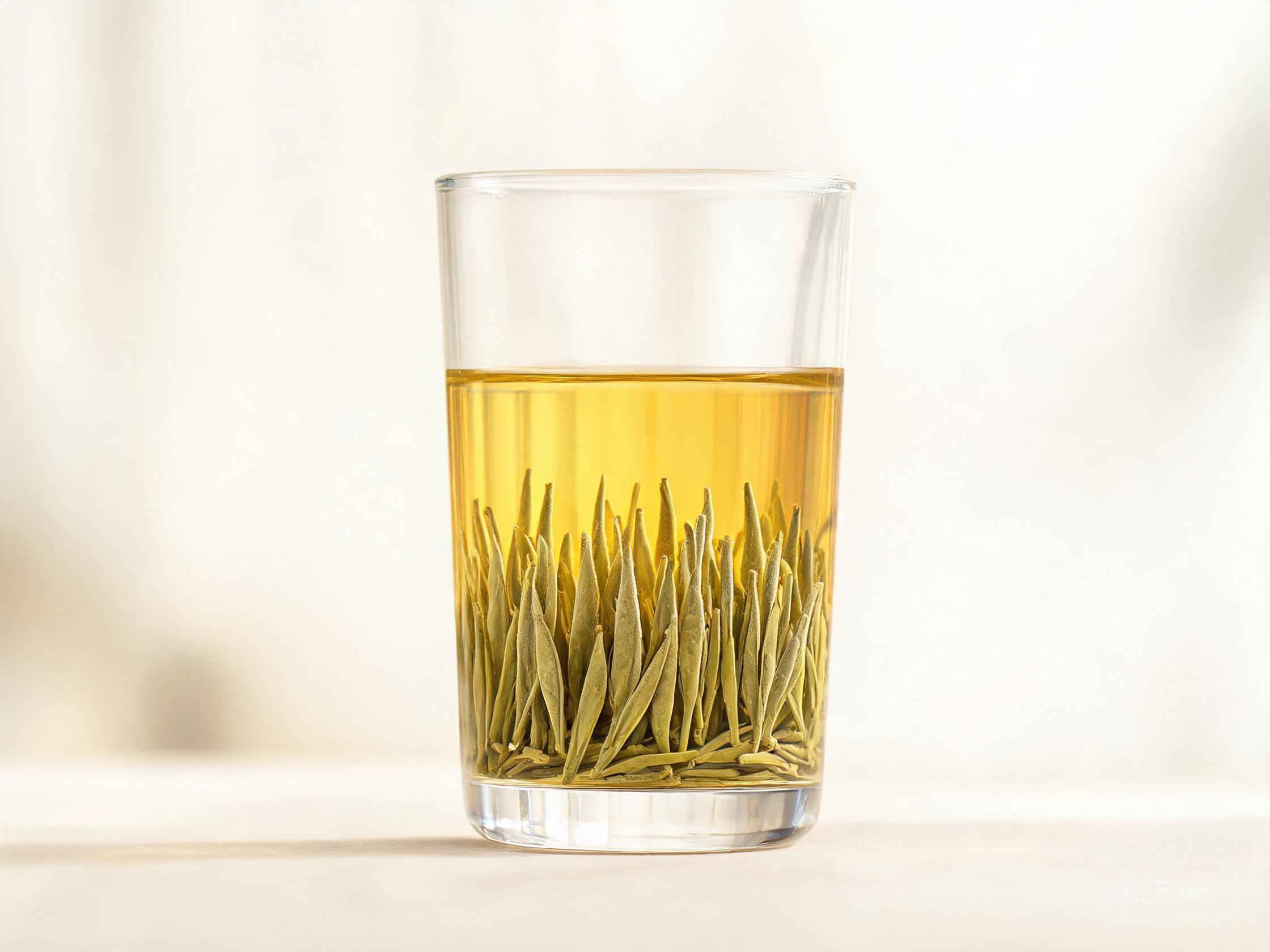
Check the class before the grade. The leaf should be dull yellow-green and smell of chestnut. A bright green leaf with a grassy smell is a green tea, whatever the label says.
Accept that the price is mostly scarcity. A buyer who wants the tea for its taste can find a good mainland bud tea at a fifth of the cost and be satisfied. A buyer who wants the island is buying the island.
What the premium buys at the top
At the top of the market, the buyer is paying for three things that are not the leaf: provenance, presentation and the certainty that the tea is what it says. The third is the hardest to supply, because the name is unprotected and the island is small.
A producer who can document the garden and the picking date is selling certainty, and that is a legitimate product. A producer who cannot is selling a story, and the story is worth less each year as the volume of tea sold under the name grows.
The result is a market where the top and the middle have almost nothing in common except the label, and where a buyer’s only defense is to ask questions the counterfeiters cannot answer.
The comparison with other famous teas
The pattern is the same as with Da Hong Pao, white silver needle and Jin Jun Mei: a name that outgrew its supply, a market that prices the name, and a counterfeit tier that fills the gap.
What is unusual here is the scale. Da Hong Pao has a blend category to absorb demand; silver needle has other provinces producing comparable bud tea. Junshan has neither, because the island cannot be replicated and the grade is a bud with no substitute at the same standard.
So the counterfeit is a straight substitution rather than a blend, and it is detectable by anyone who looks at the leaf. That is a small mercy in a market that otherwise offers few.
- The premium buys provenance, presentation and certainty.
- The name is unprotected and the island is small.
- Ask for the garden and the picking date.
- The pattern matches Da Hong Pao and silver needle.
- Junshan has no blend tier to absorb demand.
- Substitution is detectable from the leaf.
The gift market and the second-hand trade
Like silver needle and Da Hong Pao, Junshan Yinzhen has a gift market that sits above its drinking market. A boxed tin is a present; a loose purchase is a drink, and the two have different price logic.
The gift tier is where the largest markups exist and where the least information is exchanged. A buyer selecting a present is choosing a price and a presentation, and the recipient is unlikely to open it and compare.
There is also a small second-hand market for older tins, which is a trap. Yellow tea does not improve with age, and an old tin is a faded tea in a nice box.
A buyer who wants the tea rather than the object should buy loose from a producer with a garden, ask for the picking date, and drink it within a year.
A closing observation about the title itself. Calling one tea the king of a category is a way of creating a hierarchy where the category has none. The seven yellow teas are not arranged in rank order; they are different products from different places, and the crown is a marketing device rather than a fact about the leaf.
That does not make the tea ordinary. It makes it one specific thing: a bud tea from a small island with a long association with the court and a supply too small to meet demand. Those are real attributes and they are enough to justify interest without a title.
Frequently asked questions
Why is it called the king of yellow tea?
Tribute history, a tiny island and an output of hundreds of kilograms a year.
Is the title imperial?
No. It is a modern commercial label. The tribute association is old, the title is not.
How much is made?
Hundreds of kilograms a year from an island of under one square kilometre.
Why is it so expensive?
Fixed area, short picking window, a rule that rejects most buds, and demand above supply.
How can I spot a fake?
Check the leaf uniformity, the color and the smell. Uniform dull yellow buds, chestnut aroma.
Is it worth the price?
For the island, you are paying for scarcity. A mainland bud tea is a fraction of the cost.