- Who benefits most
- The caffeine and the amount
- How much and how to brew it
- When another category is the better choice
- Why most people will never drink it regularly
- Frequently asked questions
- How many cups of yellow tea a day?
- Is yellow tea gentler than green tea?
- Does yellow tea have less caffeine than green tea?
- Why is yellow tea so expensive?
- Can I drink yellow tea every day?
- Is yellow tea good for a sensitive stomach?
Yellow tea suits anyone who likes green tea but finds it too sharp, and it suits people with a mildly sensitive stomach better than green tea does. Two to three cups a day is a sensible range at 30 to 45 mg of caffeine per cup. It is a small-category tea, expensive and hard to find, so the practical question is usually whether to seek it out rather than whether it is suitable.
The one clear advantage over green tea is the taste. Menhuang reduces the esterified catechins that cause bitterness, and raises free amino acids, so a yellow tea made from the same pick tastes sweeter and rounder at the same strength. That is a real difference and it is not a health claim.
Who benefits most
| Group | Amount | Reason |
|---|---|---|
| People who find green tea bitter | 2 to 3 cups | Menhuang cuts the esterified catechins |
| Mildly sensitive stomach | 2 to 3 cups after food | Softer than green tea at the same strength |
| Anyone who dislikes grassy flavors | 2 to 3 cups | Sweeter, more rounded, less vegetal |
| People exploring Chinese tea | 1 to 2 cups | A rare category worth knowing |
| Gift buyers | a tin, not a habit | Scarcity makes it a good present |
| Anyone wanting a daily green tea substitute | not ideal | Price and availability both work against it |
The gift case is worth stating plainly because it is how most yellow tea is actually consumed outside China. The category’s scarcity, its famous grades and its limited production make it a natural present, and a recipient who expects a daily habit will be disappointed by the price of a second tin.
The caffeine and the amount
Yellow tea carries 25 to 35 mg of caffeine per gram of leaf, which is 30 to 45 mg per cup at three grams. That is in the green tea band, slightly above white tea and below red.
The caffeine is not affected by menhuang, so the mildness of the taste does not mean a smaller dose. A drinker who finds green tea too stimulating will find yellow tea about the same, and should judge it on taste rather than on alertness.
How much and how to brew it
Three grams per 150 ml at 85 Celsius is the standard. The buds are tender, so boiling water extracts bitterness fast and hides the sweetness the process was designed to create.
Two infusions is the practical limit for a bud tea, three for a leaf tea. The second infusion is often better than the first, because the leaf has opened and the amino acids come out more fully. Throwing away the first steep is a mistake with yellow tea, unlike with a compressed dark tea.
- Two to three cups a day is a reasonable range.
- Use 85 Celsius water, never boiling, for bud tea.
- Three grams per 150 ml, four for leaf grades.
- Drink it after food rather than on an empty stomach.
- Expect two infusions from buds, three from leaf.
- Store it sealed and cool, it is less stable than green tea.
When another category is the better choice
Anyone who wants a daily tea at a modest price should choose green tea, white tea or oolong. Yellow tea is fifteen to forty times the price of a commodity green tea for a difference that is largely in the cup rather than in the leaf.
Anyone with a cold constitution should follow the tradition and choose red tea, dark tea or a roasted oolong, because yellow tea is still cool-leaning.
Anyone looking for a specific health effect should not choose yellow tea, because there is no research on it at all. A category with no trials cannot be the right answer to a health question.
The honest summary is that yellow tea is a pleasure rather than a strategy. It suits people who enjoy tea and want to try something rare, and it is a poor choice for anyone treating tea as a means to an end.
Why most people will never drink it regularly
The availability problem is more decisive than the price. Yellow tea is produced in small quantities, mostly for the domestic market, and a drinker outside China who likes it will struggle to buy a second tin of the same grade from the same producer.
That shapes the honest recommendation. Yellow tea is something to try, understand and enjoy occasionally, rather than a category to build a habit around. A drinker who wants a daily tea at a reasonable price has better options in every direction.
What it offers in return is a specific experience that green tea does not: the same leaf, softened by a slow warm pile, sweeter and rounder and without the sharp green edge. For someone who has drunk a lot of green tea and wants to know what the process does, one tin is worth the money.
The comparison that makes the case is a side-by-side tasting. Buy a yellow tea and a green tea from the same region, brew them at the same strength, and the difference the menhuang step makes is immediately obvious. That experiment teaches more about processing than any article.
- Two to three cups a day, not a daily habit for most.
- Best mid-morning, after food.
- Use 85 Celsius water to keep the sweetness.
- Three grams per 150 ml, four for leaf grades.
- Two good infusions from buds, three from leaf.
- Buy small quantities, it does not keep like white tea.
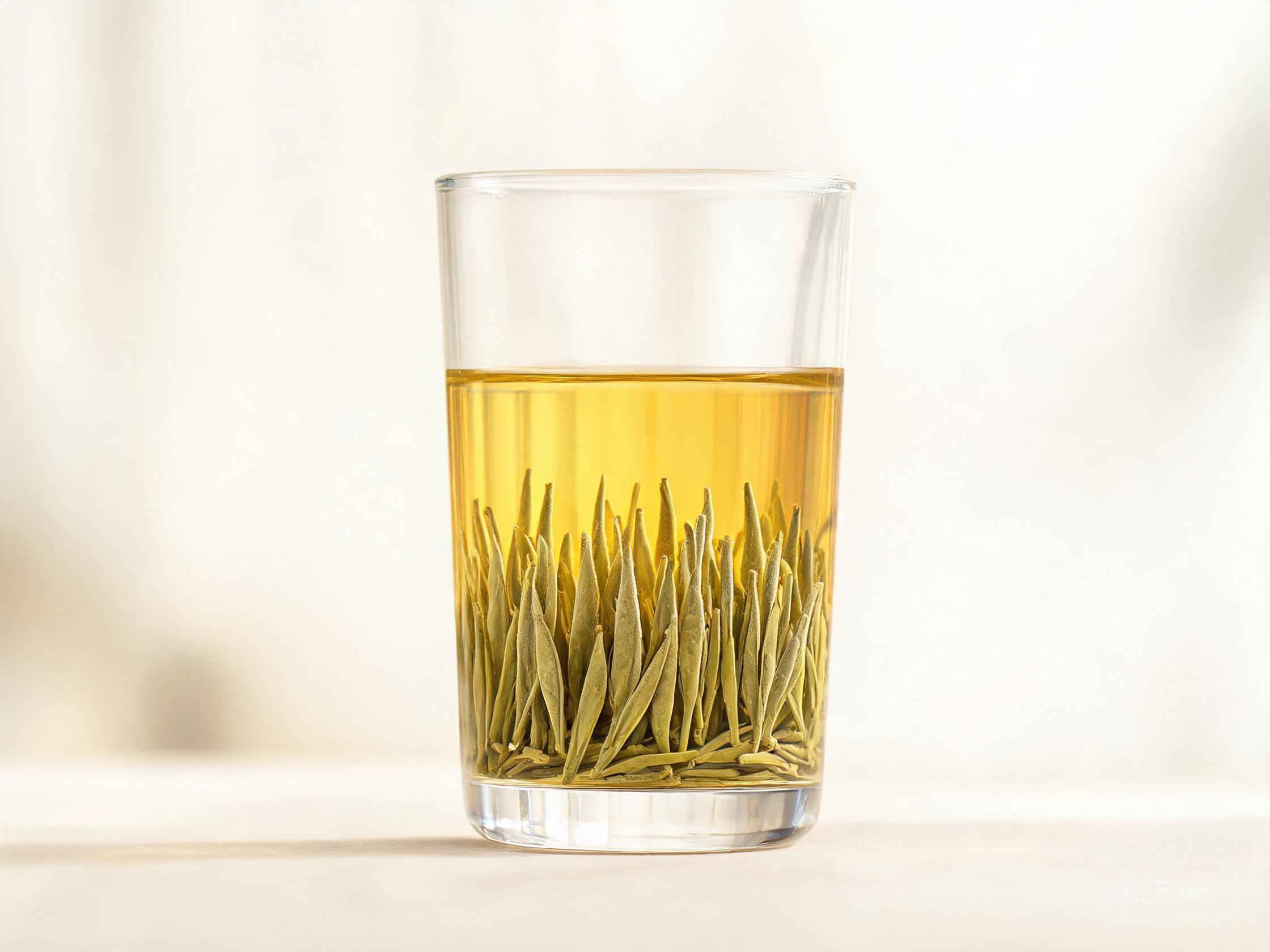
For a reader who has never tasted yellow tea, the most useful guidance is what to expect. The cup is pale yellow, the aroma is sweet and nutty rather than grassy, and the taste is rounder than green tea with the bitterness at the back held down.
What it is not is dramatic. A drinker expecting a transformative experience will be underwhelmed, because the difference from a good green tea is a matter of degree. The pleasure is in the smoothness and in knowing what the process did.
The comparison that makes the difference legible is a green tea from the same province brewed at the same strength. Anhui and Hunan both produce green teas, and a side-by-side tasting with a yellow tea from the same region shows the menhuang effect more clearly than any description.
That experiment is also the cheapest way to check whether a tin is genuine. If the yellow tea tastes like the green tea beside it, the process probably did not happen.
For the reader deciding whether to buy, the answer comes down to one question: do you want to know what the menhuang step tastes like? If yes, one tin is worth the money and the comparison with a green tea will teach you something. If the answer is that you want a good daily tea, there are cheaper and better answers in every other category.
That is not a dismissal. It is a description of what the category is for, and it is the reason yellow tea has survived as a small handmade product rather than disappearing into the commodity market.
For a drinker who has never bought yellow tea, the sensible first purchase is a leaf grade rather than a famous bud tea. Huoshan Huangya is more available, cheaper and more forgiving to brew than Junshan Yinzhen, and it shows the menhuang character clearly without the premium of a name.
The bud teas are worth trying once the habit of brewing at 85 Celsius is established, because their sweetness is the point of the category and it is easy to miss if the water is too hot.
Anyone who wants to understand the difference between the six classes could do worse than to buy a yellow tea and a green tea from the same province, brew them together, and taste the effect of a single process step. That is what the category is best for, and it is a pleasure that does not require believing anything about health.
One last practical point concerns the vessel. Yellow tea is brewed light and drunk slowly, and a small glass or a thin porcelain cup shows the color and the aroma better than a heavy mug. That is a small thing that changes how much pleasure the tea gives, and the category is short enough on quantity that the pleasure is most of what it offers.
A reader who follows the advice on this page will drink two or three cups, enjoy them, and probably not buy a second tin for a year. That is the correct outcome for a tea this scarce, and it is not a failure of the category.
Frequently asked questions
How many cups of yellow tea a day?
Two to three, at 30 to 45 mg of caffeine per cup.
Is yellow tea gentler than green tea?
On the palate, yes. It has fewer bitter compounds and more free amino acids.
Does yellow tea have less caffeine than green tea?
No, about the same. Menhuang does not change the caffeine content.
Why is yellow tea so expensive?
Under one percent of Chinese production, a slow process, and famous grades made in hundreds of kilograms.
Can I drink yellow tea every day?
You can, but few people do, because the price makes a daily habit hard to sustain.
Is yellow tea good for a sensitive stomach?
Better than green tea, but it is still cool-leaning, so drink it after food.