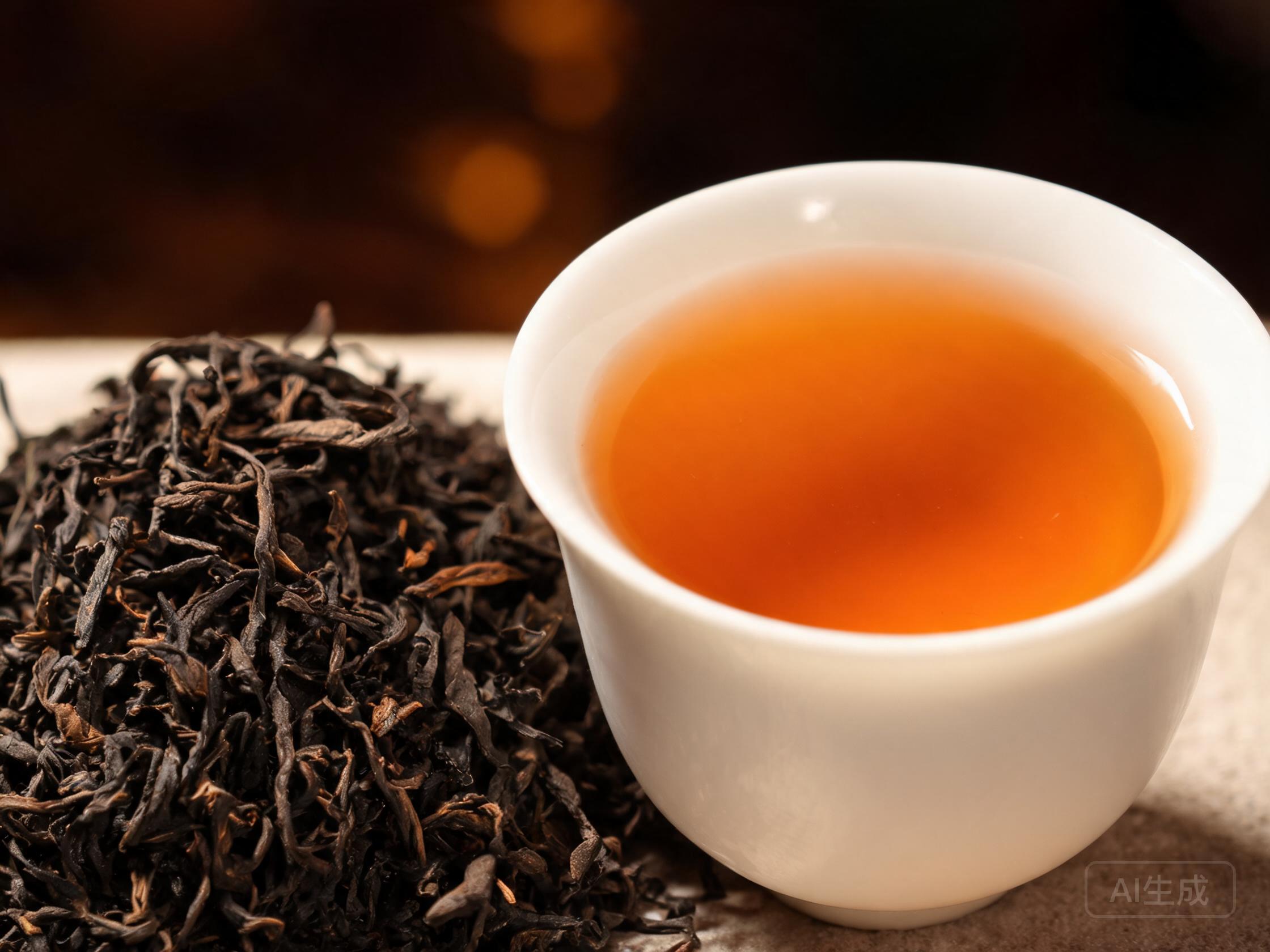
The effect
Elevation is the weakest of the origin signals in red tea, and it is worth saying so at the start.
Full oxidation flattens much of what a high garden put into the leaf, and blending flattens more.
What survives is a slightly thicker body and a cleaner finish, and both are easy to lose in the cup.
Dianhong is the clearest case, since Yunnan’s tea districts sit higher than most in the country.
Much of the leaf is grown well above 1,000 m, and the best of it comes from higher ground still.
That height is one reason Yunnan red tea carries the body it does, alongside the broad leaf it uses.
Qimen is lower, and the character people prize there is aroma rather than weight.
Tongmu sits in a narrow valley, and its smoke is a processing decision rather than an altitude effect.
Yingde in Guangdong is low and warm, and it picks earlier than anywhere in Yunnan.
None of that stops sellers from printing a height on the packet, and most buyers cannot check it.
The honest summary is that altitude matters in red tea, but it ranks below leaf type and grade.
Anyone who tells you otherwise is describing oolong rather than red tea.
Why it happens
The mechanism is the same as everywhere else, and it is mostly about growth rate.
Cool air slows the bush, and a slower grown leaf is denser and richer in soluble material.
That density shows up as body in a fully oxidised tea, which is why Yunnan red tea feels thick.
Amino acids accumulate when growth is slow, and they read as sweetness rather than as aroma.
Day night swing is the second mechanism, and it is wide across the Yunnan plateau.
A wide swing keeps the plant from respiring away what it made, and the leaf keeps more of it.
Light is the third, since cloud cover at altitude softens the sun and slows the leaf down further.
Oxidation is where the effect gets diluted, because the step is long and it levels the leaf.
Many of the aromatic compounds that separate a high garden from a low one are changed or lost in it.
Blending is the second dilution, and it is standard practice across the whole category.
A lot labelled with one district may hold leaf from several, picked at several heights.
Cool air and slow growth start the effect, and processing then removes much of it.
Limits of the rule
Grade outranks altitude here, and it is not close.
A whole leaf grade from a low garden will beat a broken grade from a high one in almost every comparison.
Leaf type outranks it too, and broad leaf assamica carries body that no height can give a small leaf bush.
Freshness is the third limit, and red tea loses its top notes within a year of picking.
An old high grown tea tastes flat, and no amount of altitude survives a warm warehouse.
Altitude numbers on red tea packets are generally decorative, and there is no register to check them against.
A figure quoted to the nearest hundred metres is a marketing device rather than a measurement.
Blending means that even an honest number would describe an average rather than a garden.
Elevation also stops paying off at the top, where cold slows the bush past the point of usefulness.
Above roughly 2,000 m the leaf thins out and the cup loses the body that made it worth growing high.
Frost takes crops in the worst years, which is why the highest gardens are also the least reliable.
What a buyer can check is the grade, the leaf and the date, and all three are more useful.
Practical takeaway
Buy red tea on leaf type and grade, and let altitude be the last thing you consider.
Establish broad leaf or small leaf first, since that decision changes what the tea is for.
Then choose the grade, because a whole leaf grade is the difference between a tea and a bag filler.
Only after that is altitude worth asking about, and only from a seller who names the garden.
Brew 5 grams in a 100 ml vessel at about 95 °C and steep for 30 seconds, and taste everything plain.
A high grown red tea shows weight on the palate and a sweetness that comes late rather than early.
A low grown one is brighter and thinner, and it may be the better choice for a morning cup.
Run both to the 3rd infusion, where the aroma has gone and body is the only thing left to judge.
Do not pay a premium for a height on a blend, since the number cannot describe a blend honestly.
For Dianhong, tip content is a better guide than altitude, and you can see the tips in the dry leaf.
For Qimen and Tongmu, the district and the method tell you everything the height would.
Altitude is a useful idea in red tea and a poor basis for spending money.