- The 2005 origin, in detail
- The picking arithmetic
- How to taste it
- The grade confusion
- Why it tastes unlike other black tea
- What the market looks like now
- The 2005 batch and the myth around it
- Who it is for
- Frequently asked questions
- When was Jin Jun Mei created?
- Why is Jin Jun Mei so expensive?
- Is Jin Jun Mei a traditional tea?
- What color should the liquor be?
- Is Jin Jun Mei the same as lapsang?
- How many infusions?
Jin Jun Mei is a bud-only black tea created in 2005 in Tongmu Village, Wuyi Mountains, by a producer working with the local Lapsang material. It is not a traditional tea and has no classical pedigree; it is a modern product designed to make a delicate, sweet, golden black tea from spring buds that would otherwise become lapsang. Its price is driven by picking labor and by scarcity, not by age or by a long history.
The name means golden handsome eyebrow, and it describes the dry leaf: fine, curved, gold-tipped buds. The tea is made from the same cultivar and the same valley as lapsang, which is the origin of its sweetness, but without the pine smoke.
The 2005 origin, in detail
Before 2005, Tongmu’s spring buds went into lapsang or into a coarse red tea. A producer in the village experimented with picking only the buds, processing them as a delicate black tea with careful withering and a light oxidation, and drying them gently to keep the golden color.
The result was unlike any existing Chinese black tea: sweet, floral, thin-bodied, with almost no astringency. It was an immediate commercial success, and within a few years dozens of producers in and around Tongmu were making it.
That speed matters for buyers. There is no vintage tradition and no established grading system comparable to Keemun’s. The name describes a style, and the style is made at wildly different quality levels by different producers.
| Factor | Effect on price | Why |
|---|---|---|
| Bud-only picking | Very large | Tens of thousands of buds per kilo |
| Spring, first flush | Large | Yield is small and the window is days |
| Tongmu origin | Large | Limited valley, established name |
| Hand processing | Moderate | Labor, and less breakage |
| Grade name alone | None | Not standardised across producers |
| Packaging and story | Variable | Often the largest markup |
The picking arithmetic
A kilogram of dry bud tea requires roughly 60,000 to 80,000 individual buds, picked by hand over a few weeks in spring. A skilled picker gathers a few kilograms of fresh bud in a day, and fresh bud loses around 75 to 80 percent of its weight in processing.
That is the whole price story. The leaf is not expensive because it is old or rare in a collector’s sense; it is expensive because a person had to pick eighty thousand buds.
The arithmetic also explains the grades. A tea sold as Jin Jun Mei with leaves as well as buds costs less because it took less picking, and it is a different drink: fuller, more astringent, less sweet.
How to taste it
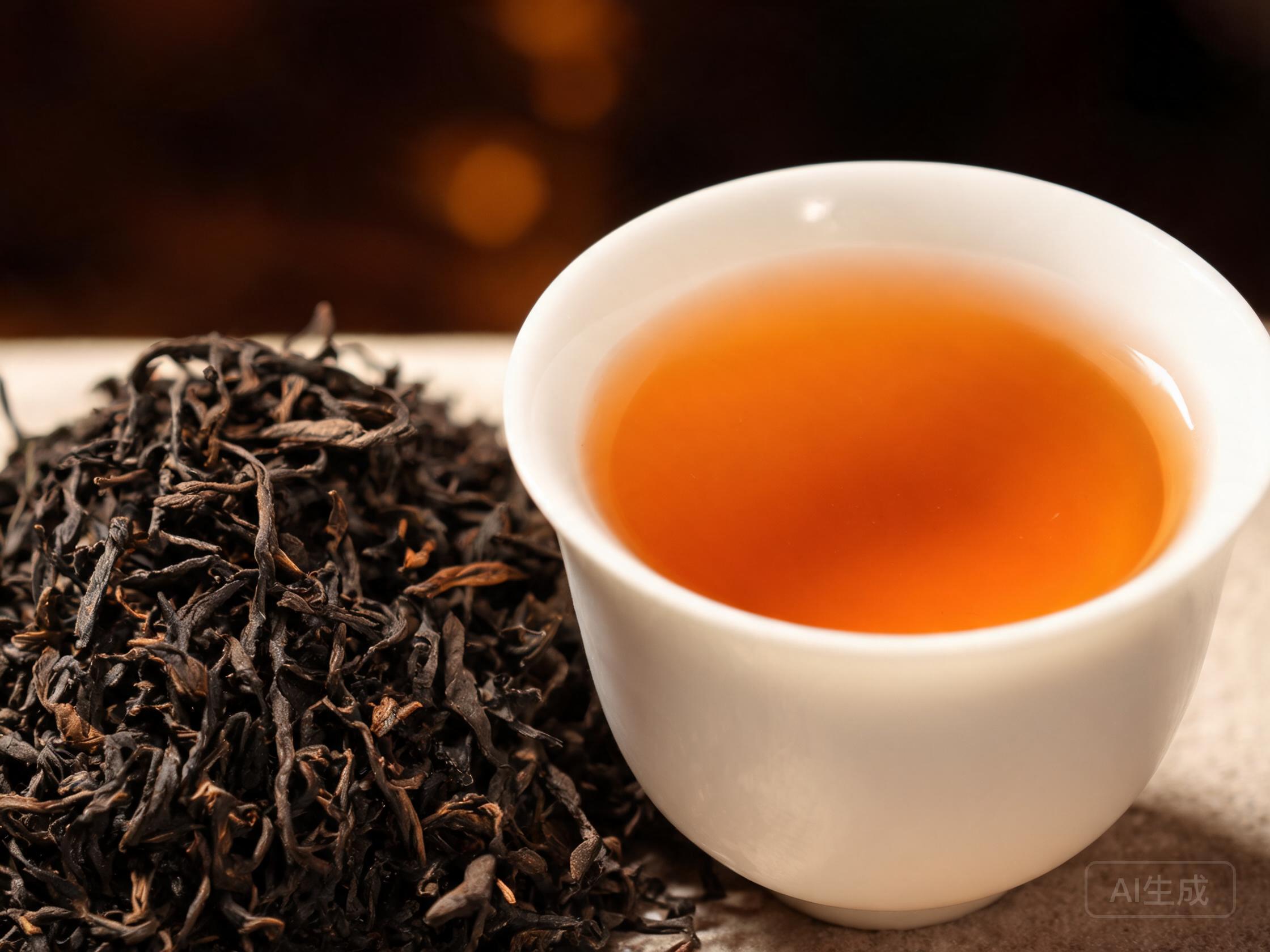
The dry leaf is fine, curved and gold-tipped, with a smell of honey and sweet potato. The liquor is bright gold rather than red, which is unusual for a black tea and is a useful check.
The taste is light and sweet with a long finish and almost no bitterness. It should not be strong. A cup that tastes like a robust black tea is either a leaf grade or a different tea under the name.
- Use 85 to 90 Celsius water, the buds are delicate.
- Three grams per 150 ml, or four for gongfu.
- Steep ninety seconds to two minutes, no longer.
- Expect two or three infusions, the third is thin.
- Drink it plain, milk ruins it.
- Buy from a named producer, the name alone means little.
The grade confusion
Because the name is unregulated, the market contains everything from pure bud tea at a high price to a blend of buds and leaf at a low one, all called Jin Jun Mei. Some is excellent and some is ordinary black tea with gold-colored tips.
The reliable checks are the liquor color, the body and the price. A gold liquor and a light body indicate the real style. A red liquor and a full body indicate a leaf grade or a blend. A low price indicates that the picking arithmetic did not happen.
The category is also young enough that the first 2005 batches are still discussed as a reference point. That is a marketing story as much as a quality claim, and a buyer should treat it as one.
What the tea genuinely offers is a black tea without the weight of a black tea, made from the most labor-intensive picking in the category. That is a real and specific pleasure, and it is worth paying for once to know what it is.
Why it tastes unlike other black tea
The buds carry more amino acids and fewer catechins than the leaves of the same bush. Processing only buds therefore produces a tea that is sweet and low in astringency without any special technique, which is why Jin Jun Mei tastes light despite being fully oxidized.
The light oxidation and gentle drying preserve the volatile compounds that give the honey and sweet potato notes. A hotter process would push the tea toward malt and cocoa, which is what happens when leaf is included.
The result is a black tea that behaves more like a white tea in the cup: pale liquor, light body, delicate aroma. That is the source of its appeal and the source of the disappointment for drinkers who expect a robust red tea.
What the market looks like now
Within a few years of 2005, Jin Jun Mei had become the most copied name in Chinese black tea. Producers across Fujian and beyond make a bud tea and use the name, and some of it is good.
The name has no legal protection tied to Tongmu, so the only reliable information is the producer. A named factory with a stated picking date is worth more than the style name, and the price is a rough check on whether the bud picking happened.
The fashion has also changed the economics of Tongmu. Buds that once went into lapsang are now worth more as Jin Jun Mei, which has raised incomes and reduced the supply of the older tea. That is a real consequence of a modern invention, and it is visible in the price of both.
The 2005 batch and the myth around it
The first Jin Jun Mei is discussed in the trade as a reference point, and cakes of it are sold at prices that treat it like wine. That is a marketing structure built on scarcity rather than on any measured superiority.
A bud tea from 2005 will have lost most of its volatile aromatics after twenty years, because the compounds that make it sweet are the fragile ones. An old Jin Jun Mei is interesting and it is not better than a fresh one.
The value of the story is that it establishes the style’s origin, which is genuinely recent and genuinely documented. That is worth knowing and it is not worth paying a collector’s premium for.
Who it is for
- Drinkers who find other black teas heavy or bitter.
- Anyone who likes white tea and wants a red alternative.
- Gift buyers who want something recognisable and modern.
- Not for anyone who wants a strong breakfast tea.
- Not for anyone who drinks their tea with milk.
- Worth buying once from a named producer to know the style.
A note on water temperature, which matters more here than for any other Chinese black tea. The buds are delicate and the leaf is fully oxidized, so the window between a sweet cup and a bitter one is narrow. 85 to 90 Celsius is right, and 95 is already too hot.
The second note is the steep time. Ninety seconds is enough for the first infusion and two minutes for the second, and a third is thin. A drinker who leaves it five minutes will get a cup that tastes of nothing but tannin.
The third is the leaf quantity. Four grams in a 120 ml gaiwan is generous for a bud tea, and three is enough. Jin Jun Mei is not a tea to brew strong, because strength is the one thing it does not offer.
A final caution about the name. Because Jin Jun Mei is unregulated, a tin can legally carry it with no connection to Tongmu. That is not fraud in most jurisdictions, it is a trade name being used loosely, and the buyer has no recourse.
The practical defense is what this page has argued throughout: buy from a producer who names the village and the picking date, taste before buying where possible, and treat a low price as evidence that the bud picking did not happen.
The cold brew note is worth adding because it suits this tea unusually well. A bud tea brewed cold for eight hours gives a sweet, pale liquor with none of the tannin that a hot over-steep produces, and it is the most forgiving way to brew an expensive leaf.
It is also the cheapest way to find out whether a tin is real. A genuine Jin Jun Mei cold brewed gives honey and sweet potato. A leaf grade gives malt. The test costs a night in the fridge and no technique.
One number puts the scarcity in context. Tongmu’s total annual output of dry tea is in the tens of tons, across all products, and the bud grade that becomes Jin Jun Mei is a small fraction of that. The name is made in a village that could fit inside a single large Assam estate.
That is why the price holds even as demand grows. The supply cannot respond, because the valley cannot get bigger and the picking cannot get faster without losing the standard.
It also explains the imitation market. Producers outside the valley can buy bud leaf, make a similar tea and use the name, and none of them faces the same constraint. The name’s value comes from a limit that only the original product has.
A note on the leaf’s appearance is worth adding, because it is the fastest check. A genuine bud tea is uniformly small, curved and gold, with no dark broken pieces; a leaf blend shows dark strips among the gold. The difference is visible at arm’s length and settles the question before any brewing.
Frequently asked questions
When was Jin Jun Mei created?
In 2005, in Tongmu Village in the Wuyi Mountains.
Why is Jin Jun Mei so expensive?
Bud-only hand picking. A kilogram needs roughly 60,000 to 80,000 buds.
Is Jin Jun Mei a traditional tea?
No. It is a modern product with no classical pedigree.
What color should the liquor be?
Bright gold, not red. A red cup suggests a leaf grade or a blend.
Is Jin Jun Mei the same as lapsang?
Same cultivar and valley, no pine smoke. The processing is different.
How many infusions?
Two or three. The buds give up their flavor quickly.