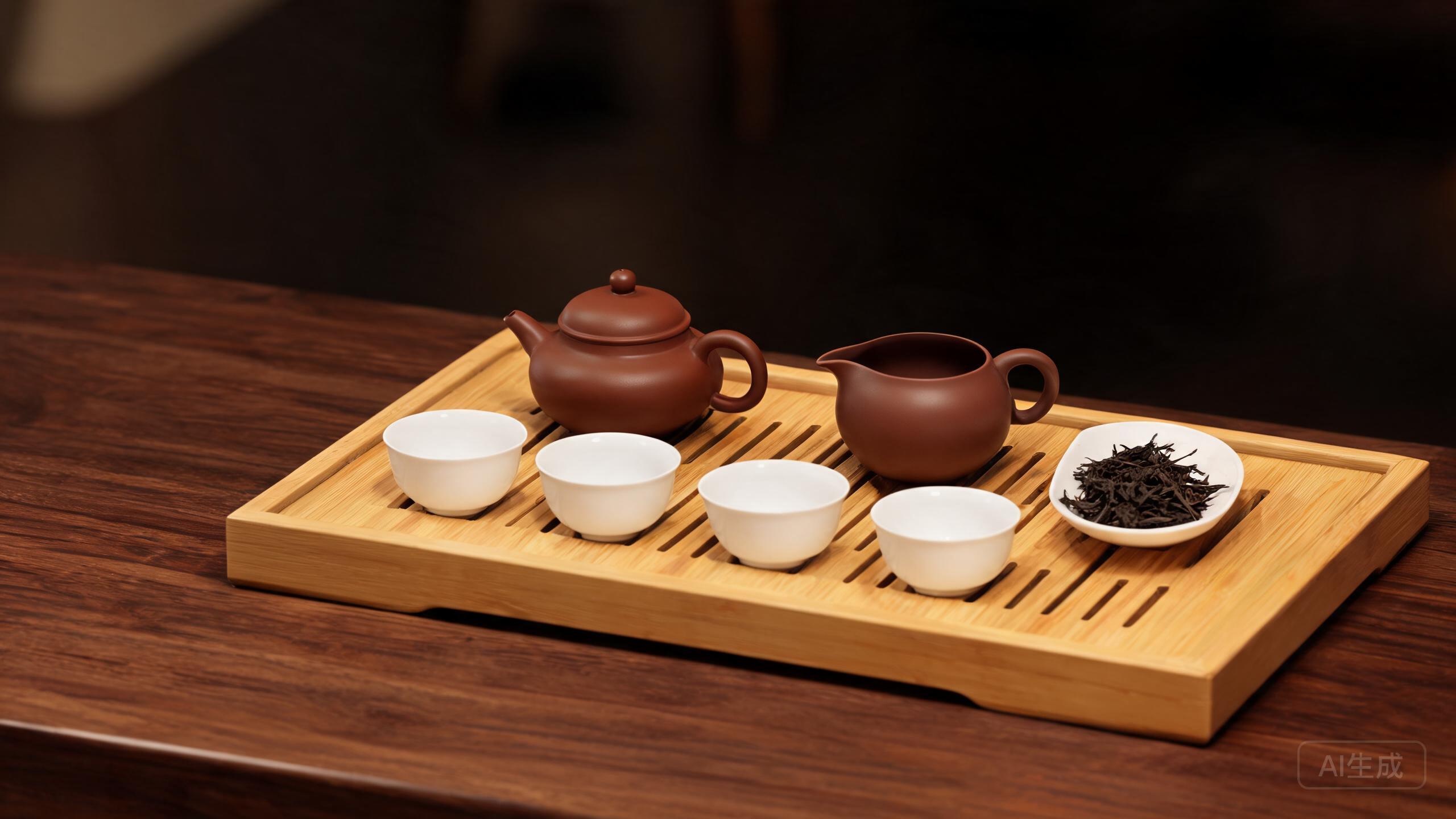
What you need
Brewing black tea well needs very little, and almost none of it is expensive.
A kettle that reaches a full boil is the first requirement, and nothing heats water as reliably.
A mug with a lid, or a small pot, is enough for the everyday version.
A scale helps, since volume measures of leaf vary a great deal by grade.
5 g is a working measure for a 240 ml mug, and a teaspoon is close but looser.
Fresh water matters more than most people expect, and reboiled water tastes flat.
Hard water makes a darker and duller cup, while soft water keeps the brightness.
A filter jug is a cheap fix if the tap water is very hard.
Loose leaf gives a better cup than a bag, and the difference is mostly surface area.
A bag holds broken leaf, which gives up everything at once and turns bitter faster.
Buy loose leaf where the choice exists, and keep it sealed and dry.
None of this is equipment snobbery, and every item on the list is ordinary.
The tea itself is the variable that matters most, and it is also the cheapest to fix.
Western brewing, one cup
The everyday method is a single long steep, and it is what most people mean by brewing.
Put 5 g of leaf into 240 ml of water at 95 °C.
Cover the mug, since a lid keeps the heat in and the extraction steady.
Give it three minutes for a strong cup, and two for a lighter one.
Stir once at the start, and then leave it alone.
Lift the leaf out at the end, or use a basket that lifts clear of the water.
Leaf left sitting in the cup keeps extracting and turns the last third bitter.
Milk is optional, and it softens the astringency rather than hiding a bad brew.
Sugar is a matter of habit, and the tea is easier to taste without it.
A second steep of the same leaf is possible, and it will be noticeably lighter.
Two steeps is the usual limit for this method with black tea.
Anyone who wants more from the leaf should use the gongfu method below.
The result should be amber, brisk and slightly drying at the finish.
Gongfu brewing, several infusions
The gongfu method uses more leaf and much shorter steeps, and it changes the cup.
Use 5 g in a 120 ml gaiwan, which is roughly twice the ratio of the Western method.
Bring the water to a full boil, and this tea takes it without any complaint.
Rinse the leaf once with a few seconds of water, and pour that away.
The rinse wakes the leaf and washes off the dust left from packing.
The first steep is about 20 seconds, and the pour should be quick and complete.
Add 5 to 10 seconds to each steep after that.
A good black tea gives 5 to 6 infusions before it flattens out.
The middle steeps are usually the best, since the first one is still opening.
Watch the colour rather than the clock, and pour when the liquor looks right.
A gaiwan is the traditional vessel, and a small pot works just as well.
This method draws out more of the aroma and less of the harshness.
It also uses more leaf per cup, which is worth remembering when buying.
Fixing a bad cup
Most bad cups come from one of three faults, and all three are easy to correct.
A bitter cup means the water was too hot, the steep too long, or the leaf too fine.
Drop the temperature a little and cut the steep by a minute, and it usually fixes itself.
A weak cup means there was not enough leaf, and more leaf beats more time.
Adding time to a weak cup pulls the harsh compounds out along with the flavour.
A cloudy cup once it cools is a sign of hard water rather than of bad tea.
That is cosmetic, and filtered water clears it.
A flat cup usually means the leaf is stale, since black tea loses aroma within a year.
Buy in smaller amounts and keep it sealed, and that problem disappears.
A sour or stewed taste means the leaf sat wet and hot after the brewing was done.
Lift it out at the end, and that never happens.
Anyone brewing the same leaf twice in a row should expect a much lighter second cup.
That is normal rather than a fault, and it is the limit of the Western method.