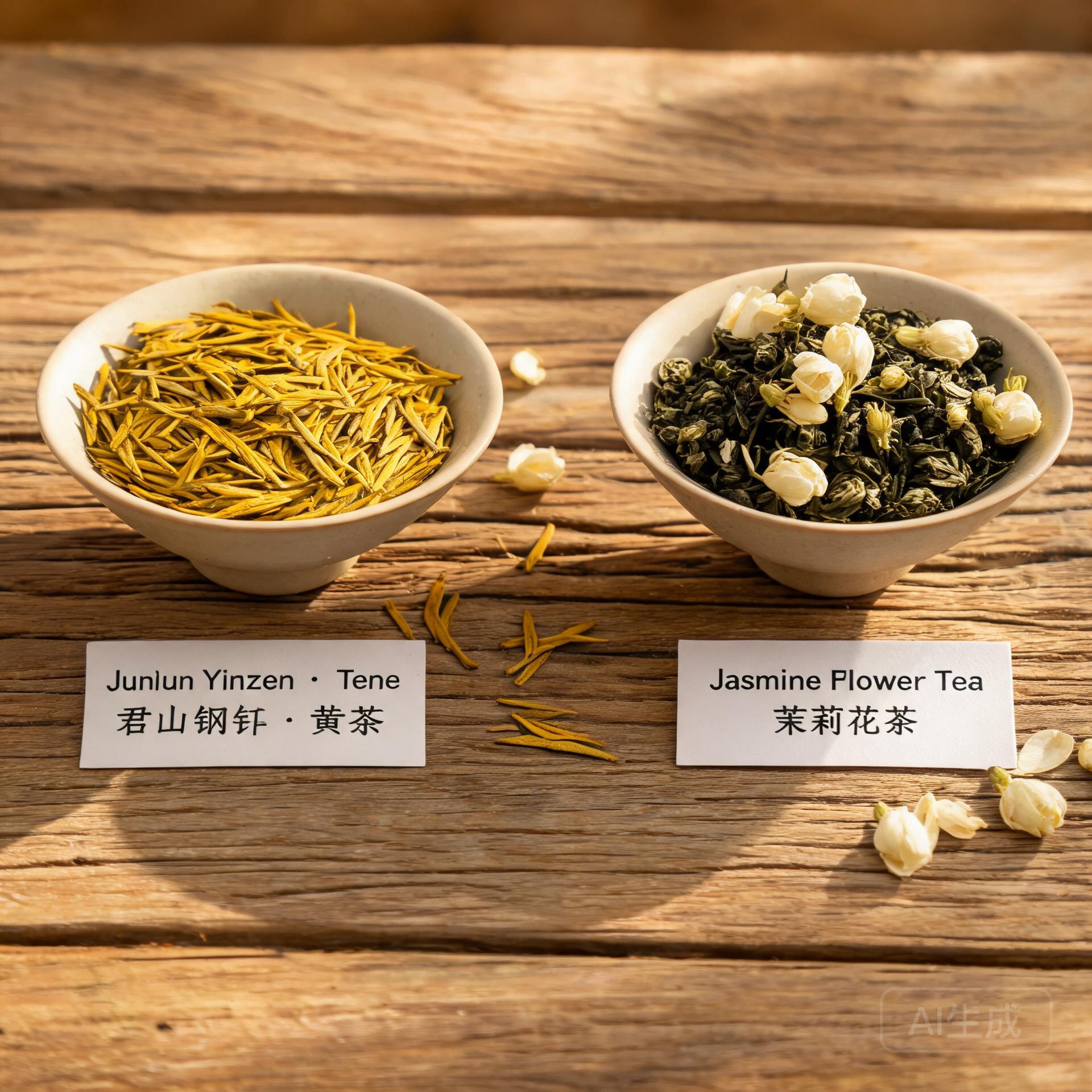
Tea sold in the United States sits in a specific regulatory category that surprises many importers: it is a conventional food, not a dietary supplement, and the rules that apply are the food rules. Understanding which agency governs which claim, and what documentation clears a shipment at the border, prevents the two most expensive outcomes: a refused entry and a warning letter.
Which Agency Governs What
Three federal bodies have a hand in tea, with separate jurisdictions.
- FDA (Food and Drug Administration): safety, labeling, facility registration, and import admissibility under the Federal Food, Drug, and Cosmetic Act.
- USDA (Department of Agriculture): the National Organic Program, which governs the use of the word “organic” on the label.
- FTC (Federal Trade Commission): advertising claims. If a claim appears in marketing rather than on the package, the FTC is generally the relevant regulator.
A useful mental model: FDA governs the package, USDA governs one word on the package, and FTC governs everything said around it.
Facility and Import Requirements
Any facility that manufactures, processes, packs or holds tea for US consumption must register with the FDA and renew that registration every two years, by December 31 of each even-numbered year. Foreign facilities must also designate a US agent for FDA communications.
Practical import steps:
- Facility registration and renewal: without a valid registration, the shipment is subject to refusal without physical examination.
- FDA Prior Notice: filed electronically before arrival, and no earlier than 15 days before for shipments by sea.
- Registration of the importer: importers must be identified at entry, and a US customs bond is required for most commercial entries.
- Compliance with FSMA: the Preventive Controls for Human Food rule requires a written food safety plan with hazard analysis, and the Foreign Supplier Verification Program requires importers to verify that their suppliers meet US standards.
Tea also appears on FDA’s import alerts for pesticide residues and for filth, so a certificate of analysis from an accredited laboratory is standard commercial practice even when not strictly mandated.
Labeling: What Must Appear
A compliant tea label carries, on the principal display panel or information panel as applicable:
- Statement of identity: the common or usual name, e.g. “Green Tea.”
- Net quantity of contents: in both metric and US customary units.
- Ingredient list: in descending order by weight. For a blend, the components must be listed; “proprietary blend” does not exempt you from naming ingredients in foods.
- Nutrition labeling: required for most packaged tea; small businesses may qualify for an exemption based on unit volume.
- Allergen declaration: relevant for blends containing milk, soy, tree nuts or major allergens.
- Name and address: of the manufacturer, packer or distributor.
- Country of origin: required under customs marking rules.
Claims: The Line Between Legal and Illegal
This is where most tea businesses get into trouble. A health claim, which states that a food reduces the risk of a disease, requires FDA authorization. A structure/function claim, which describes an effect on the body’s normal structure or function, is permitted, but must carry the FDA disclaimer and must not imply disease risk reduction.
- Not acceptable: “Green tea prevents heart disease” or “reduces the risk of type 2 diabetes.” These are disease claims without authorization.
- Acceptable: “Provides antioxidant support” or “supports alertness,” with the disclaimer that the statement has not been evaluated by the FDA and is not intended to diagnose, treat, cure or prevent any disease.
Note that the disclaimer does not rescue a disease claim. It only applies to genuine structure/function statements.
USDA Organic
The word “organic” is protected. To use it you need certification from a USDA-accredited certifying agent, covering both the farm and the handling operation, with annual inspection and a documented organic system plan.
- “100 % Organic”: all ingredients certified organic.
- “Organic”: at least 95 % organic ingredients by weight.
- “Made with organic [ingredient]”: at least 70 %; may name up to three organic ingredients on the front panel but cannot use the USDA organic seal.
- Below 70 %: organic ingredients may appear only in the ingredient list.
Imported organic tea must be certified to a program the USDA recognizes; a foreign certificate alone is not sufficient. The certifier’s name must appear on the label.
Pesticide Residues and Recordkeeping
Tea is a crop with a genuine pesticide profile, and residue screening is the most common reason for import problems. The US does not set tea-specific maximum residue limits for most compounds; instead, tolerances established for the relevant pesticides apply, and where no tolerance exists, any detectable residue renders the product adulterated.
In practice, importers manage this by requiring a certificate of analysis for each lot covering the pesticide panels used in the country of origin, and by retaining those records for at least two years. Because growing practices and permitted substances differ between markets, a shipment compliant with Chinese GB standards is not automatically compliant in the US, because the panels differ. Our GB and ISO standards guide explains how the systems diverge.
Practical Takeaway
- Register the facility, renew every two years, and file Prior Notice before every shipment.
- Keep a certificate of analysis for pesticides with every lot.
- Keep claims at structure/function level and carry the FDA disclaimer; never imply disease risk reduction.
- Treat “organic” as a certification program, not a marketing adjective.
- Compare with other markets before exporting: see our EU tea standards and ISO tea standards guides.