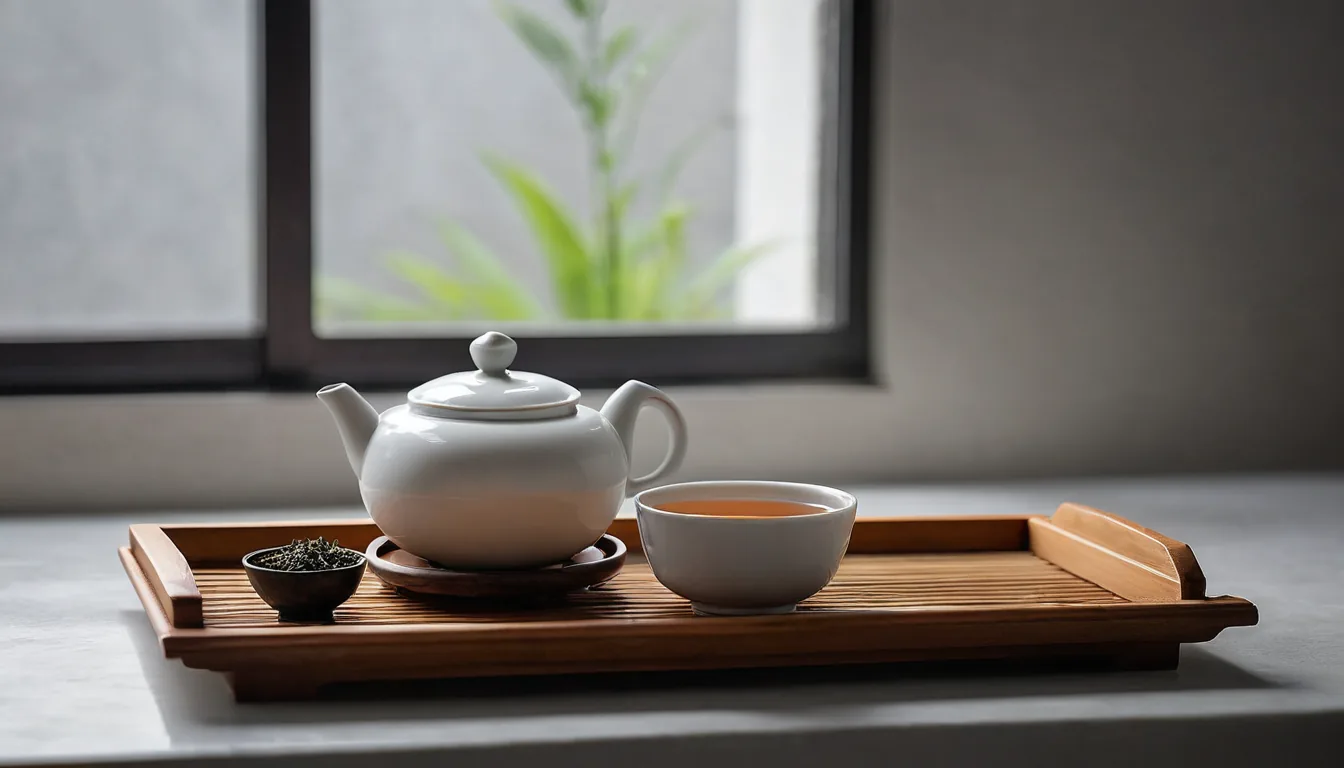
A kettle boiled twice is not a chemical change you can taste from the label. What changes is the water’s history: how long it stayed hot, how much steam escaped, and whether it cooled before the second boil. Those details explain most of the difference between a fresh cup and a flat one.
This guide separates the three common claims about re-boiled water. The oxygen claim is partly true but often overstated. The mineral claim is true only when water volume drops. The safety claim is mostly a distraction. Once the three are apart, a home test takes ten minutes and gives a clearer answer than any rule.
What re-boiled water actually means
Most people use the phrase for three different routines. In the first, water is brought to a boil, kept hot, and heated again before pouring. In the second, it is boiled, left to cool, then boiled again. In the third, fresh water is added to the leftover hot water and the mixture is reheated. The three routines do not produce the same water.
The difference matters because oxygen can return to water when it cools and is exposed to air. A second boil from cool water is not the same as water held at 95 °C for an hour. Steam loss also matters. If half a litre disappears as steam, the minerals left behind are concentrated in the remaining water. If the kettle is lidded and the volume stays the same, the mineral concentration barely moves.
The oxygen story has a limit
Boiling drives dissolved gases out of water. At 100 °C, oxygen solubility is very low, so a freshly boiled kettle holds little dissolved oxygen. That is one reason very hot water tastes different from water that has stood and breathed. The effect is real, but it is not permanent. Cool the water and expose it to air, and oxygen returns.
This is where the simple claim breaks. A tea drinker who boils water, lets it cool to 80 °C, and pours it over green tea is not serving oxygen-free water. The cooling step already changed the gas balance. A tea drinker who keeps the kettle at a rolling boil for 5 minutes and pours immediately is working with low oxygen and a lot of steam. The second case is closer to the flat cup people describe.
The point is not to defend re-boiling. It is to put the blame where it belongs. Long hot holding, repeated steam loss and a scaled element do more to the cup than the number of times the switch clicked.
The switch is not the villain. The water is telling you what happened while it was hot.
Water temperature at the second boil is also not a fixed target. At sea level the kettle reaches 100 °C; at 2,000 m it boils near 93 °C, so a recipe written for a lowland kitchen can over-extract if it assumes a rolling boil. The leaf does not know how many times the switch was pressed. It responds to the water that actually reaches it, the ratio, and the time. A second boil that stops at the first signs of steam is a different pour from one that keeps the element on for 2 minutes after the boil.
Minerals do not disappear
Calcium and magnesium do not evaporate with steam. They stay in the kettle and in the water. If you boil 1 litre down to 500 ml, the same minerals are now in half the water, so hardness roughly doubles. That can push a moderately hard water into the range where it mutes aroma and leaves scale. If the volume stays at 1 litre, the hardness is essentially unchanged.
| What happened | Water chemistry | Tea effect |
|---|---|---|
| Boiled once, poured at 80 °C | Low oxygen at boil, partial recovery on cooling | Normal for green and white tea |
| Boiled twice, cooled between | Oxygen can return; minerals unchanged unless volume drops | Usually close to fresh water |
| Held at a rolling boil for 5 minutes | Oxygen low, steam loss, minerals concentrated | Flatter aroma, harsher dry edge |
| Boiled down by half | Hardness roughly doubles | Duller cup, more scale |
What the second boil does to the kettle
A second boil adds heat and time, not a new mineral load. The kettle sees more hot hours, and any scale layer gets another chance to bake onto the element. A thin layer of 1 mm on the element is enough to slow heat transfer. The metal runs hotter while the water catches up, and the cycle repeats each time the kettle is switched on.
That is why a kettle can look clean and still taste wrong. The visible ring is only the late stage. The early film is thin, pale and easy to miss, especially in a kettle that is filled and emptied every day. If the water is hard, the scale problem grows faster than the re-boiling problem. The broader water question is covered in Tea Water: Why Hard Water Flattens the Cup, and the maintenance side is covered in Kettle Scale and Tea.
A fair test at home
Use the same water, the same leaf, the same ratio and the same brewing time. Prepare two cups: one with water boiled once and cooled to the target temperature, one with water boiled, cooled, then boiled again and cooled to the same temperature. Pour both at the same moment and taste blind. If you cannot tell them apart, the second boil is not your problem.
- Fill two kettles with 500 ml of the same water.
- Boil the first, switch off, and let it cool to 80 °C.
- Boil the second, let it cool to room temperature, then boil it again and cool to 80 °C.
- Brew 3 g of the same green tea in each vessel for 2 minutes, then compare aroma, brightness and aftertaste.
Run the test with a light tea. A roasted oolong or a dark tea has enough body to hide a small water difference. If the light tea also shows no difference, stop worrying about the second boil. If it does, check the kettle for scale and test the water’s hardness before changing your boiling routine.
When it matters, and when it does not
Re-boiled water matters most when the water has been held hot for a long time, when the kettle has scale, or when the water is already hard. It matters least when the water is soft, the kettle is clean, and the second boil is just a quick reheat after cooling. The leaf, the ratio and the temperature still dominate the cup.
A simple rule is enough for most kitchens. Do not keep a kettle at a rolling boil for minutes. Do not boil the same water down to a fraction of its volume. Descale when the film is visible. If the tea tastes flat, test the water and the kettle before blaming the second boil. The cup is usually telling you about minerals and heat, not about a chemical sin.